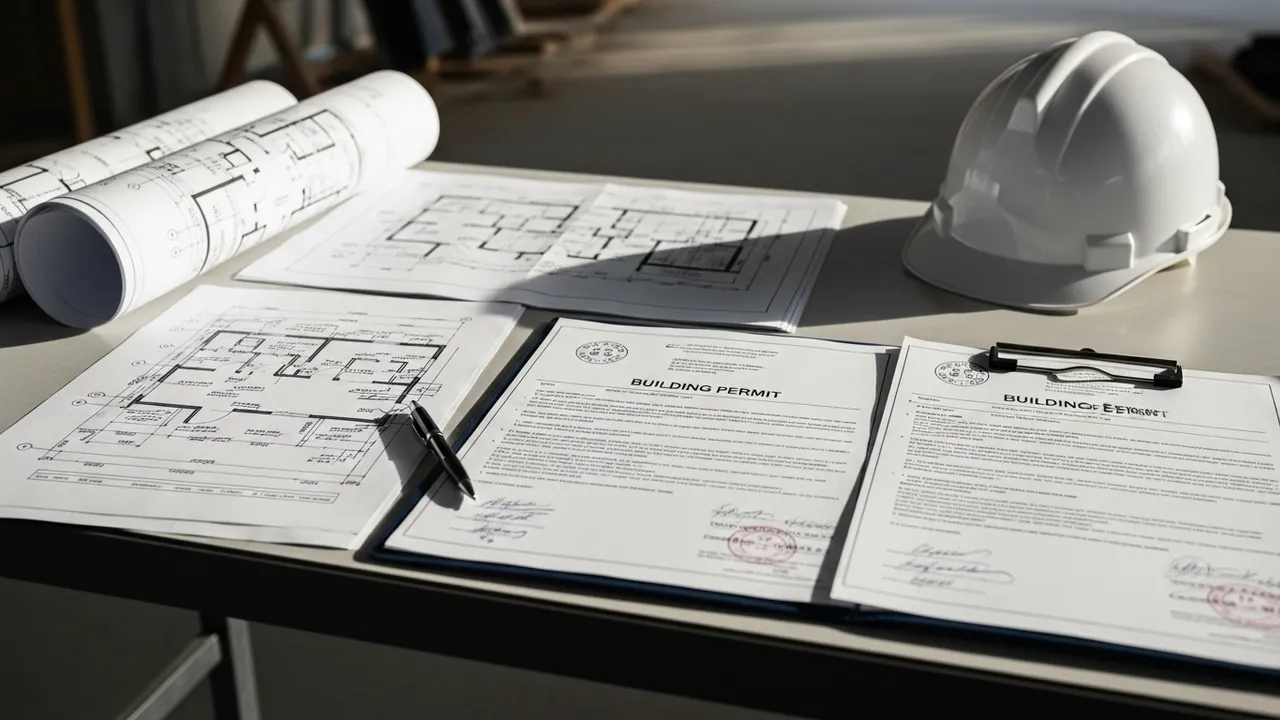
Permitting & Compliance Guide
Legalize Your Unpermitted Work in Miami (After-the-Fact Permits)
A property owner usually discovers unpermitted work at the worst moment: during due diligence, an insurer's inspection, or a contractor's review before new renovations. For many owners, the path to legalize unpermitted work in Miami starts with understanding whether the issue is missing permits, missing inspections, or both. This guide explains how Miami-area legalization typically works, what documents matter, where risk concentrates, and how to move from discovery to formal closeout.
What "Unpermitted Work" Means in Miami (And Why It Matters)
In Miami, unpermitted work means construction, alterations, or repairs completed without a required permit or without passing the required inspections under the applicable building code. Under the Florida Building Code, that can include work without permit on structural, electrical, mechanical, plumbing, fire protection, or life-safety systems.
Miami enforcement is strict because hurricane-resistant building codes, coastal regulations, and dense occupied buildings leave little margin for undocumented work. In practice, a missing permit is not just a paperwork defect; it can conceal failures in wind-load requirements, fire resistance, drainage, accessibility, or occupant safety.
A critical distinction is whether no permit was ever pulled, or whether a permit exists but inspections were never completed. The second scenario can be easier to resolve, but both can create code violations, fines, and transaction risk if records do not show final approval.
Common Examples of Work That Often Triggers Permits
Interior build-out work often requires permits when it changes walls, doors, egress paths, fire-rated assemblies, or accessibility features. In Miami, even a small interior build-out can affect occupancy safety, which is why plan reviewers and inspectors look beyond finishes to code impact.
MEP scope triggers permits frequently, especially for electrical work, plumbing work, HVAC replacements, gas piping, and fire alarm or sprinkler modifications. Owners often start by checking iBuild or the relevant municipal portal because visible field conditions and permit records rarely align perfectly on older commercial spaces.
Why Owners Should Address It Before a Sale, Refinance, or Insurance Renewal
Unpermitted work often surfaces during a real estate closing when lenders, buyers, and appraisers compare the property to public records. If address verification, permit history, or appraisal documentation shows gaps, the closing can stall until violation closure or corrective work is documented.
Insurance renewals raise a different issue: underwriters focus on risk, not just recordkeeping. Open code violations, unresolved permits, and stop-work history can increase scrutiny because undocumented systems create uncertainty about fire, wind, and liability exposure.
Confirm the Jurisdiction and Pull the Property's Permit History
The first step is jurisdiction verification because the process differs between the City of Miami and unincorporated Miami-Dade County. Filing in the wrong portal wastes time and can distort the record, especially for properties near municipal boundaries or in complex commercial corridors.
Gather the exact street address, property folio number, and any suite or unit identifiers before searching records. For multi-tenant properties, the folio and tenant-specific location data matter because permit history, appraisal questions, and inspection records may attach to different identifiers.
Do not assume no permit exists just because the owner has no file. Old permits, expired permits, and incomplete inspection histories often appear in public records, and that discovery changes the strategy from reconstruction of history to targeted closeout.
City of Miami vs Miami-Dade County: Why It Changes the Steps
City of Miami and Miami-Dade County do not process every permit the same way, and commercial construction workflows can vary in review routing, required attachments, and inspection sequencing. A team that understands the correct jurisdiction reduces avoidable rejections because each authority has its own administrative logic.
What to Gather Before You Apply
Start with photos, measurements, equipment model numbers, panel schedules, and any drawings that reflect as-built conditions. Contractor invoices, prior permit numbers, and engineer letters also help because they create a chain of evidence that plan reviewers can evaluate. If a licensed contractor previously performed the work, collect that documentation even if it is incomplete. In practice, firms with disciplined recordkeeping, including teams such as Booster Construction, tend to shorten legalization because they preserve the details reviewers ask for first.
Assess Risk: Safety, Structural, and Code Compliance Gaps
The highest-risk unpermitted work touches structural elements, means of egress, fire protection, or ADA compliance. Enterprise-level operational discipline combined with deep commercial construction expertise matters here because legalization succeeds only when the team evaluates field conditions as code issues, not as isolated repairs.
Exterior components deserve extra scrutiny in Miami because wind-load requirements affect doors, glazing, rooftop equipment, and anchorage. Coastal exposure changes the compliance conversation: a rooftop unit that cools the space adequately can still fail legalization if anchorage, curb details, or penetrations do not satisfy current standards.
Some conditions cannot be verified visually, which is why selective demolition or exposure openings are often required. Hidden work is where risk concentrates, and inspectors usually prefer proof over assumptions when life-safety systems are involved.
When You'll Likely Need an Architect or Engineer
Structural changes, load-bearing modifications, façade openings, roof work, and occupancy-related revisions often require an architect or engineer. Commercial interiors may also need code analysis tied to certificate of occupancy issues, egress capacity, fire ratings, and accessibility obligations. This is where experience separates orderly compliance from repeated revisions. Other licensed commercial general contractors in South Florida may manage field corrections well, but engineered documentation is often decisive when navigating South Florida's strict hurricane-resistant building codes and coastal regulations.
Red Flags That Can Trigger Immediate Enforcement
Active construction without permits can trigger a red tag or stop-work order before any legalization strategy is approved. Unsafe wiring, unapproved gas lines, and impaired fire protection systems receive urgent attention because they create immediate hazards to occupants and neighboring spaces. Regional construction firms specializing in commercial renovations often see the same pattern: the issue escalates fastest when the work is still underway and visibly unsafe. Once enforcement begins, the owner's timeline is driven by safety correction first and administrative resolution second.
Choose the Right Compliance Path: After-the-Fact Permits vs Code Relief
Most owners are deciding between retroactive permits and another administrative pathway such as Miami-Dade Code Relief, where eligible. Institutional construction service providers with hurricane-code expertise know that the right path depends on whether the work can be documented, inspected, and upgraded to current code.
After-the-fact permitting usually means documenting existing conditions and then correcting whatever does not comply. Legalization is rarely just filing forms, because authorities may require upgrades when the installed condition falls short of present code expectations.
After-the-Fact Permits (Retroactive Permitting) in Practical Terms
A typical sequence is as-builts, plan review, permit issuance, inspections, corrective work, and permit closeout. Property management construction service companies often underestimate the middle of that sequence, where plan comments and concealed-condition verification consume the most time. Authorities may require walls or ceilings to be opened to verify concealed electrical, plumbing, or structural work. That requirement is disruptive, but it is also the mechanism that converts undocumented work into inspectable work.
How Code Relief Is Commonly Used
Miami-Dade Code Relief is commonly discussed when work exists but lacks required inspections or was completed without proper permits, though eligibility and limits must be verified case by case. HOA and condominium renovation contractors in South Florida encounter this issue often because common-area and unit-adjacent work can leave fragmented records across years and vendors.
The Process
Step-by-Step: How the Legalization Process Typically Works
The practical sequence is discovery, record search, risk assessment, documentation, plan review, permit issuance, inspections, corrective work, and final closure. Every correction, failed inspection, approval, and revision should be tracked because permit files become the evidence package for future transactions and compliance reviews.
Document Existing Conditions (As-Builts)
Prepare accurate as-built drawings and a written narrative showing what was installed, where it is located, and how it affects life safety. Include equipment specifications, product approvals where applicable, and any observed impact on egress, fire ratings, or accessibility.
Submit for Plan Review and Respond to Comments
Expect plan review comments on code sections, accessibility, egress, fire resistance, and MEP design. Revision cycles are normal, and disciplined response logs prevent the same issue from reappearing in later reviews.
Permits, Inspections, and Corrective Construction
Once permits are issued, inspections verify both the existing installation and any corrective work. Partial approvals and re-inspections are common because legalization often exposes conditions that were not visible during the first submission.
Close Out the Permit and Any Violations
Final sign-offs matter only when the record actually shows final or closed status. If there is a violation case, confirm formal closure, because an unresolved enforcement file can remain a problem long after field work is complete.
Discovered unpermitted work? Get a clear path forward.
Booster Construction helps owners document, correct, and close out commercial legalization in Miami.
Costs, Timelines, and What Drives Complexity
Costs usually include design professionals, permit fees, investigative openings, corrective construction, re-inspection fees, and potential penalties. Transparent budget control with no hidden costs or change-order surprises matters because legalization projects expand when concealed conditions differ from assumptions.
A simple legalization usually involves limited scope, clear documentation, and few concealed systems. A complex legalization usually involves structural or multi-trade work, fire review, missing records, tenant coordination, and repeated inspection cycles.
Why "Hidden Work" (Behind Walls/Ceilings) Changes Everything
Concealed electrical and plumbing work often requires access openings and patching before inspectors can verify compliance. Once walls or ceilings are opened, discoveries such as undersized conductors, missing supports, or improper venting can expand the scope immediately.
How Commercial Properties Differ From Single-Family Homes
Commercial spaces carry added requirements for occupancy classification, ADA, fire separation, alarms or sprinklers, and egress capacity. Multi-tenant coordination, building rules, and after-hours access also affect inspection readiness and schedule reliability.
Common Mistakes That Create Delays (And How to Avoid Them)
The most common mistake is starting corrective work before the compliance strategy is approved. That approach can create rework, trigger new violations, and make it harder to prove what existed before changes began.
Another frequent error is submitting incomplete as-builts or ignoring life-safety impacts. Failing to close inspections and permits leaves a paper trail that resurfaces later during lender review, insurance underwriting, or property transfers.
Mistake: Treating Legalization as "Paperwork Only"
If the installation does not meet code, legalization requires physical corrections. Egress, fire ratings, accessibility, and MEP safety issues are field conditions first and administrative issues second.
Mistake: Not Verifying Permit Status to "Final"
A permit can exist and still remain a problem if required inspections were never completed. Open permits can disrupt a refinance or sale almost as much as work that never had a permit at all.
Mini Case Examples
What Legalization Looks Like in the Miami Area
In the Miami market, disciplined project controls reduce surprises because the biggest delays usually come from missing documentation, not from the filing itself. Teams with a 100% exclusive focus on commercial and institutional construction projects tend to recognize those documentation gaps earlier and sequence corrections more effectively.
Example 1: Retail Tenant Build-Out With Missing Final Inspections
A retail tenant improvement had prior permit records, but final inspections were missing for life-safety items. The resolution involved pulling records, correcting fire alarm tie-ins, emergency lighting, exit signage, and accessibility details, then scheduling finals with on-time, on-budget delivery powered by systems-driven project management.
Example 2: HVAC Replacement Installed Without a Permit
A rooftop HVAC replacement was installed without permit documentation, so the owner had to document equipment, verify curb and anchorage details, confirm disconnects and condensate routing, and submit a retroactive permit. Wind-load anchorage, roof penetrations, and electrical compliance drove the review because rooftop work in Miami is judged as a weather-resistance issue as much as a mechanical issue.
Key Takeaways and a Practical Checklist
Legalization works best when the owner follows a strict sequence: verify jurisdiction, pull records, assess risk, choose the right pathway, document as-builts, obtain permits, complete inspections, and confirm final closure. That compliance-first mindset aligns with Miami's enforcement environment and its emphasis on wind resistance, life safety, and documented approvals.
Legalization Checklist (Owner/Property Manager)
- Exact address, folio, and suite or unit identifiers
- Permit history, inspection records, and known violation data
- Photos, measurements, and a written scope list
- Contractor, design professional, and prior permit contacts
- Target outcome: violation closure, final inspections, transaction support, or risk reduction
- Related project context, such as lobby renovation miami, commercial structural repairs miami, or hoa condo renovation miami, when those scopes overlap with the undocumented work
FAQs
Frequently Asked Questions
Confidential Intake
Request a Legalization Assessment
Tell us what was discovered and what's driving the deadline. We'll review your situation and outline a compliance path - typically within 24 hours. Your details stay confidential.
Discovered Unpermitted Work?
Time-sensitive situations - a pending closing, insurance renewal, or stop-work order - move faster by phone.
(954) 280-2882Have These Ready
- Exact address, folio, and suite or unit
- Any permit history or violation notices
- Photos, measurements, and a scope list
- Your target deadline (sale, refinance, insurance)
Commercial-only GC • FL License CBC1266108 • BBB Accredited. Your inquiry is kept confidential.
Get Started
From Discovery to Formal Closeout
Booster Construction brings commercial-only focus, Miami-Dade code awareness, and disciplined documentation to legalization projects - so undocumented work becomes inspectable, corrected, and closed out for your next sale, refinance, or insurance renewal.
FAQ
Frequently Asked Questions
Related Services
Commercial Structural Repairs
Concrete restoration, spalling repair, waterproofing, and structural beam and column repair.
Learn more40-Year Building Recertification
Coordinated structural and electrical recertification inspections and repair coordination.
Learn moreHOA & Condo Building Renovation
Common-area renovations, facade upgrades, and capital improvements for associations.
Learn moreCommercial Renovation
Interior remodels, common-area upgrades, and full-building renovations for offices, retail, and HOAs.
Learn more