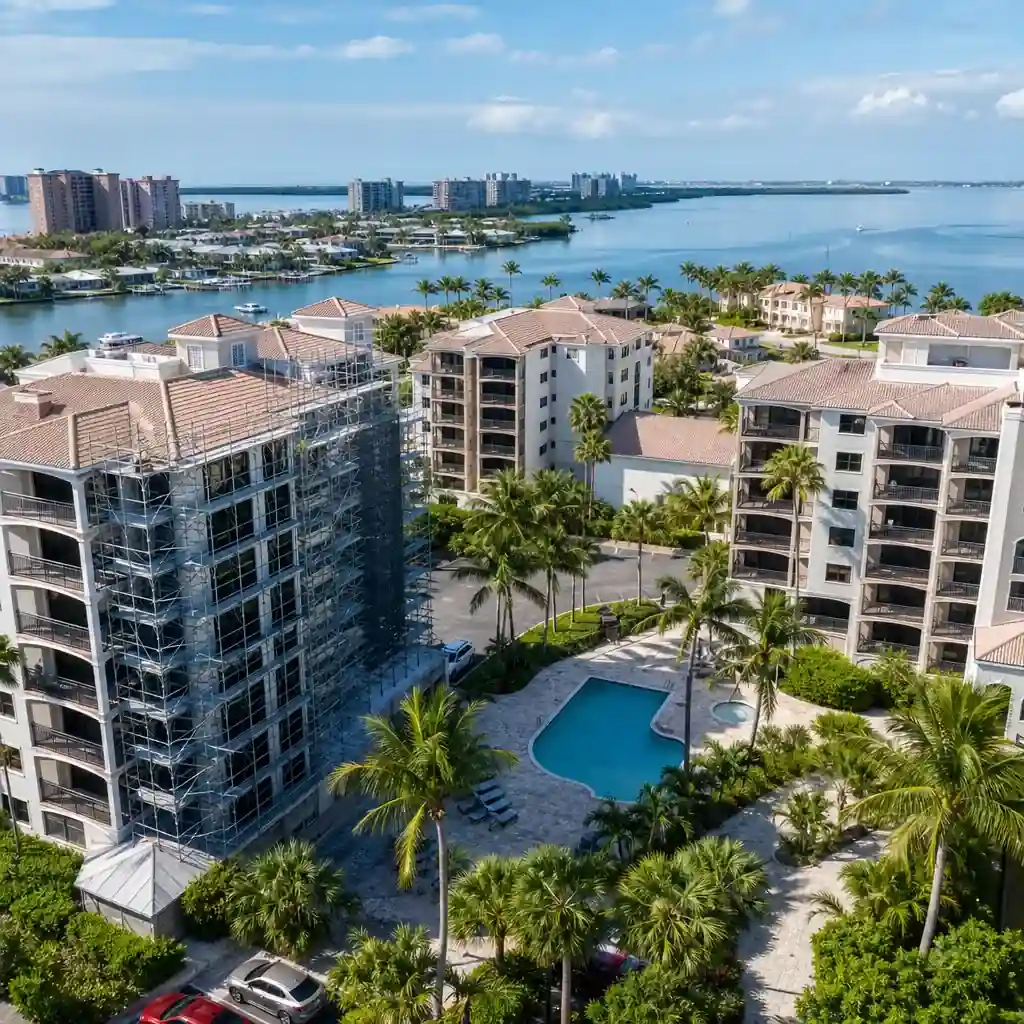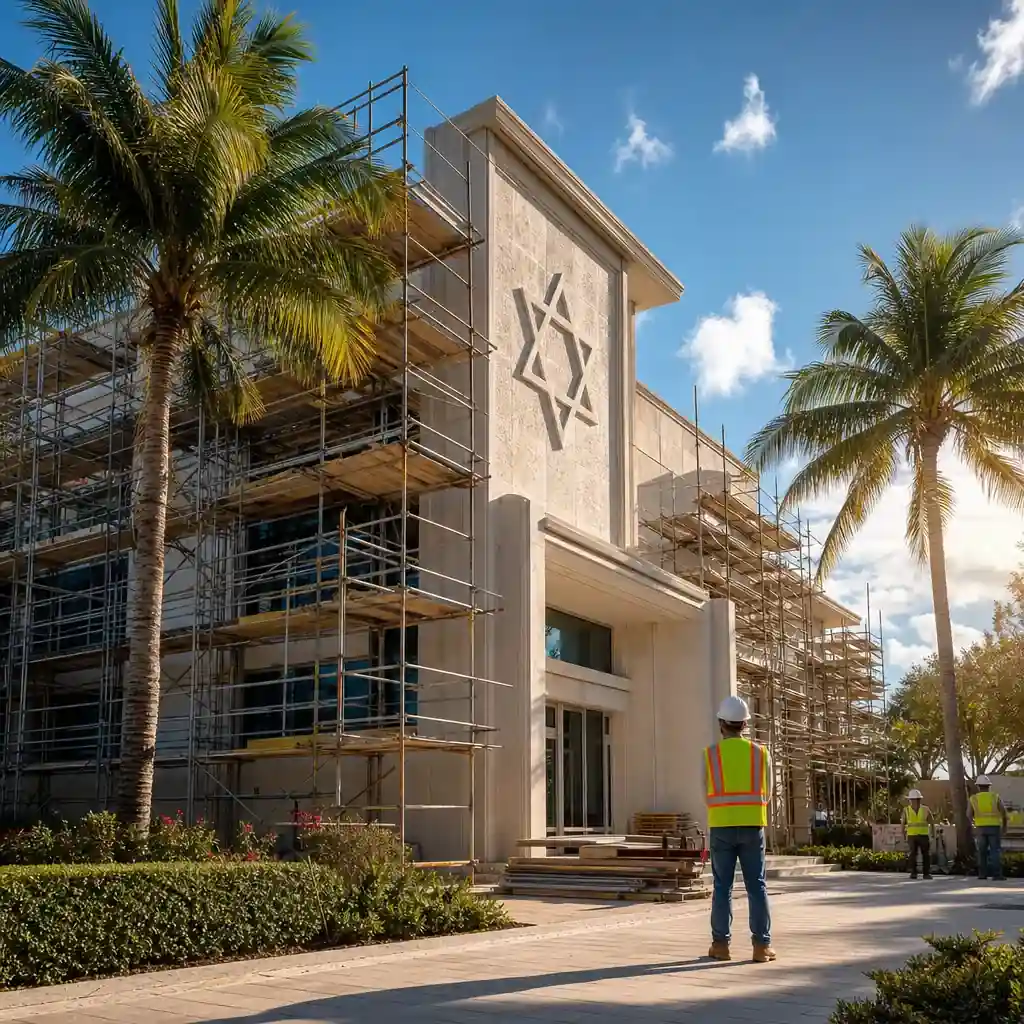
A Tenant Improvement Allowance (TIA) is a pre-negotiated landlord contribution that offsets build-out construction costs. Learn how to negotiate, structure, account for, and maximize your TIA for office, retail, and restaurant spaces across America.
Executive Summary: What You Need to Know First
A Tenant Improvement Allowance (TIA) is a pre-negotiated financial contribution provided by a commercial landlord to a tenant, designed specifically to offset the construction costs required to customize and optimize a leased commercial space.
Maximizing a TIA allows businesses to preserve working capital while designing environments optimized for productivity, brand alignment, and regulatory compliance — and it simultaneously increases the underlying property value for the landlord.
Commercial build-outs are typically structured as tenant-controlled, landlord-controlled, or turn-key agreements. Each model carries distinct risk profiles regarding cost overruns, architectural fees, permit fees, and project timelines.
Under the ASC 842 accounting standard, a TIA is recorded as a lease incentive that directly impacts the Right-of-Use (ROU) asset calculation. Strategic use of Qualified Improvement Property (QIP) rules, cost segregation, and depreciation can also yield significant first-year tax deductions for tenants who own their improvements.
Introduction to Commercial Real Estate Customization
In the highly competitive landscape of American commercial real estate, securing an optimal geographic location is only the first step. The true competitive advantage lies in transforming a generic, raw commercial space into a precisely optimized operational environment — and that transformation is almost universally funded, at least in part, through a Tenant Improvement Allowance.
Whether you are building out a new office, opening a retail storefront, or launching a restaurant, the principles of TIA negotiation and execution apply — and the stakes are significant. A poorly negotiated TIA can cost a business hundreds of thousands of dollars in unnecessary capital expenditure, while a well-structured one can fund an entire build-out without touching working capital.
Understanding how to negotiate, structure, and execute a TIA is one of the highest-leverage financial skills available to any business operator entering or expanding within the commercial real estate market. For a full overview of the commercial construction process — from site selection and permitting to contractor selection and closeout — see our Guide to Commercial Construction.
Hard Costs vs. Soft Costs: What Your TIA Will — and Won’t — Cover
Hard costs refer to the tangible, physical improvements made to the commercial space, including both materials and the labor required for installation. These are the core elements of the construction process and the category landlords most willingly fund through a TIA.
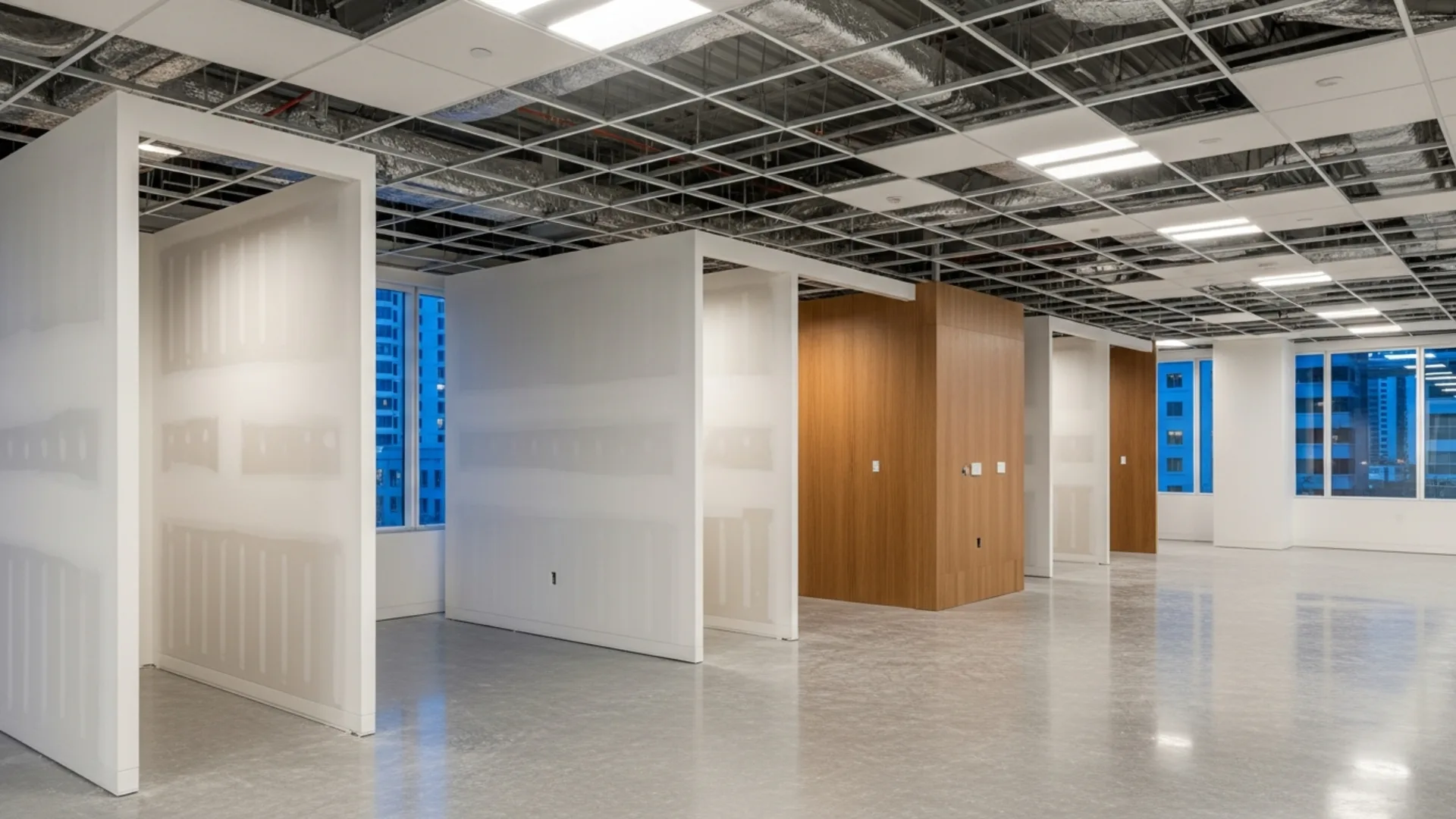
Structural and Infrastructure Elements include the construction of demising walls, drop ceilings, framing, and necessary upgrades to electrical systems, HVAC units, and plumbing grids. Permanent Finishes include commercial-grade flooring, painting, doors, windows, and built-in cabinetry or reception desks.
Soft costs represent the indirect expenses associated with the build-out. While landlords vastly prefer to allocate TIAs exclusively to hard costs that improve the building’s residual value, strategic negotiation can sometimes extend coverage to include architectural fees, engineering plans, and municipal permit fees.
Landlords generally refuse to fund items the tenant will extract upon vacating. These exclusions typically involve FF&E (Furniture, Fixtures, and Equipment), specialized low-voltage cabling, internet setups, and general moving expenses. Tenants must budget for these out-of-pocket separately or seek alternative financial concessions — such as free rent or rent abatement — to offset these specific burdens during the transition phase.
Types of Commercial Tenant Improvement Services
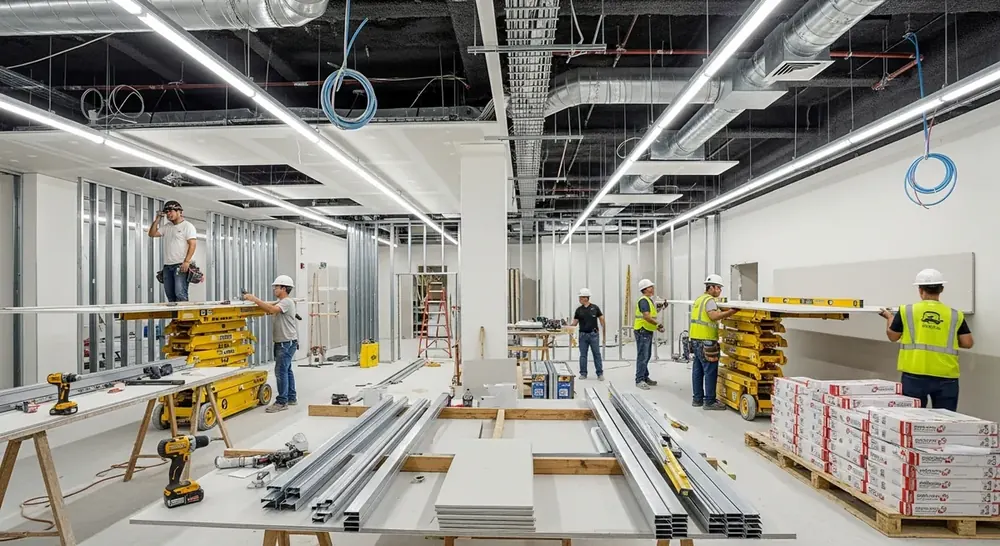
The scope, complexity, and cost of commercial tenant improvement services vary drastically depending on the asset class and the existing condition of the property.
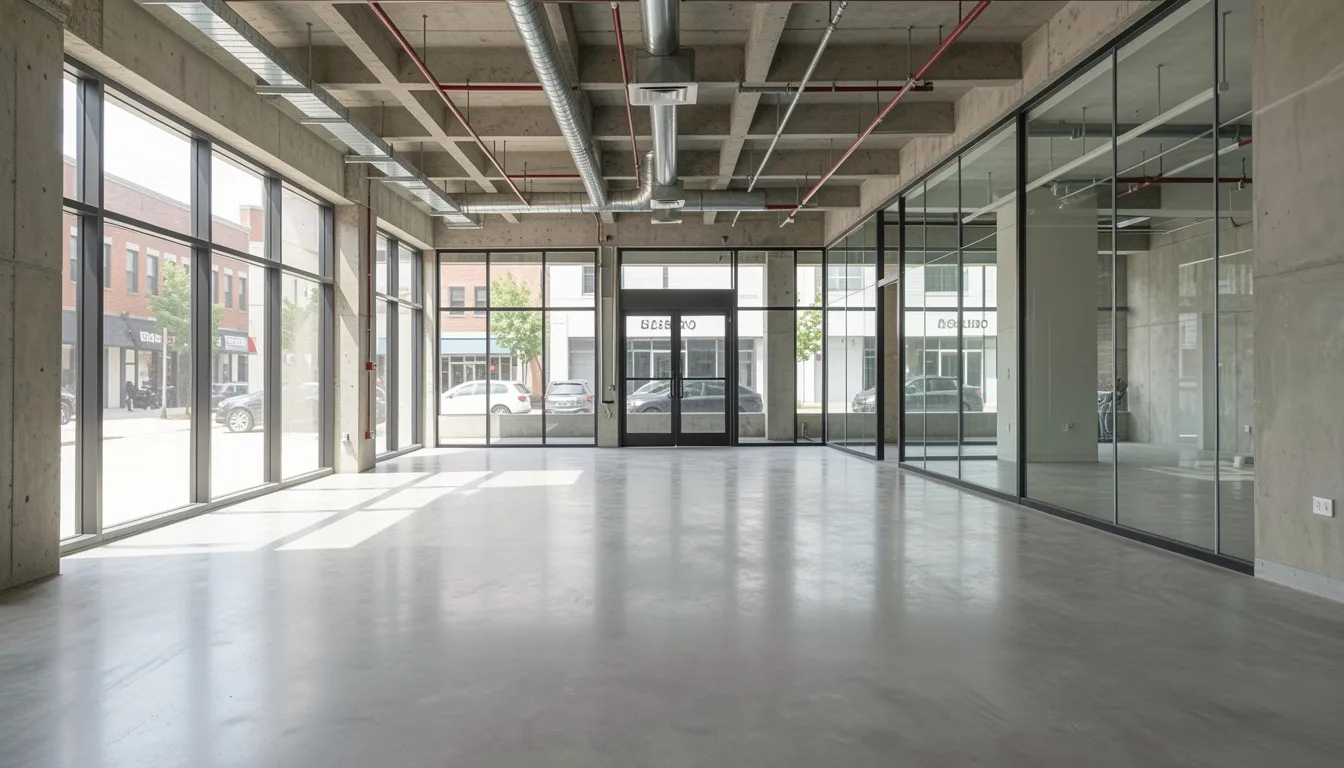
Office Space Build-Outs require a balance of collaborative open areas, private partitioned rooms, and robust IT infrastructure. Converting a "cold shell" — a space with bare stud walls, no plumbing, and dirt floors — requires extensive infrastructure and typically demands a TIA ranging from $60 to $100 per square foot. Retrofitting a "white box" — already equipped with a finished ceiling, basic lighting, concrete floors, and baseline HVAC — may only require $30 to $60 per square foot for aesthetic customization.
Industrial and Warehouse Spaces present a unique profile. Industrial TIA packages are generally more modest than office or retail build-outs because the base building infrastructure — high clear heights, heavy floor loads, dock doors — already meets operational needs for many tenants.
Retail build-outs demand attention to customer-facing finishes, signage integration, and brand-standard compliance. Restaurant and food-service build-outs are among the most infrastructure-intensive, requiring hood exhaust systems, make-up air, grease management, kitchen utilities, and fire protection coordination — costs that can push total build-out expense significantly above standard office or retail benchmarks.
Key Factors That Determine the Size of Your TIA
The broader economic environment heavily dictates landlord flexibility. In a tight market with high occupancy rates, landlords may offer modest TIAs and demand strict control over the build-out. In a soft market with elevated vacancy, landlords use highly generous, flexible TIAs as powerful incentives to attract tenants.
There is a direct mathematical correlation between lease term length and TIA size. Landlords view the allowance as an amortized investment — a ten-year lease provides a much longer runway to recover the allowance through sustained rental income than a three-year lease. Similarly, leasing larger square footage generally yields higher total allowances and provides greater negotiating leverage.
Enterprise-level tenants with strong credit, recognizable brands, and a track record of lease compliance command the highest TIAs. A national retail chain or a well-capitalized regional firm often extracts 30–50% more allowance per square foot than a first-time tenant in the same building, simply because the credit and vacancy risk for the landlord is lower.
Selecting the Right Contractor for Your Commercial Build-Out
Selecting the right general contractor is one of the most consequential decisions in the entire tenant improvement process. Unlike residential upgrades, commercial tenant improvements demand contractors strictly focused on commercial spaces. Commercial construction requires enterprise-level operational discipline — phased scheduling, after-hours work, and strict noise ordinance compliance to prevent disruptions to neighboring tenants and ongoing business operations.
Delays in acquiring permits can devastate project timelines, forcing tenants to pay rent on an unoccupied, non-revenue-generating space. The chosen construction firm must demonstrate a proven track record of managing architectural plans, structural engineering requirements, and navigating local permit reviews swiftly and efficiently.
For South Florida specifically, the regulatory environment adds another layer of complexity. Building codes in coastal regions incorporate wind-load requirements, impact-resistant glazing mandates, and flood-zone construction standards. A contractor without specific local experience is a significant schedule and budget risk from day one. Our guide to the best commercial construction companies in South Florida breaks down the top licensed firms by specialty and county coverage to help you shortlist the right partner.

Safety Considerations and Municipal Compliance
Tenant improvement projects must rigorously adhere to overlapping layers of municipal codes, federal safety regulations, and life-safety protocols. Failure to maintain compliance can result in halted construction, daily fines, and denial of the Certificate of Occupancy.
The Americans with Disabilities Act (ADA) dictates strict accessibility parameters for commercial spaces. A significant portion of the TIA must frequently be allocated to updating legacy properties — widening doorways, installing specialized hardware, ensuring proper wheelchair turning radiuses, constructing exterior ramps, and retrofitting restrooms with compliant grab bars and accessible sinks.
Commercial build-outs almost universally trigger extensive reviews by the local fire marshal. Subdividing a large open floor plan into smaller private offices alters airflow and the ceiling grid, requiring that the existing fire suppression system be dropped, relocated, and recalibrated. Egress paths must be clearly illuminated, and fire alarms and strobe systems must be expanded to meet new occupancy loads.
In South Florida, the Florida Building Code and High-Velocity Hurricane Zone (HVHZ) requirements in Miami-Dade County impose strict standards on impact-resistant windows and doors, roof-to-wall connections, and structural load paths. Every contractor working in this market must understand which approvals, testing protocols, and product certifications are required to pass inspection.
ASC 842 Accounting: How a TIA Hits Your Balance Sheet
Under the ASC 842 accounting standard, a tenant improvement allowance is recorded as a lease incentive that directly impacts the Right-of-Use (ROU) asset. If a commercial tenant calculates an initial ROU asset of $1,000,000 and the landlord provides a $100,000 upfront TIA, the ROU asset is reduced to $900,000, while a corresponding Leasehold Improvement Asset (PP&E) of $100,000 is recorded on the balance sheet.
If the allowance is not paid upfront but promised as a future reimbursement, it is treated as a negative lease payment — reducing the net present value of the overall lease liability as well as the ROU asset upon commencement.
A critical audit risk lies in determining who "owns" the improvements. If the landlord retains ownership of the improvements, the landlord capitalizes the asset and the tenant merely accounts for the lease. If the tenant owns the improvements, the complex ROU reduction rules of ASC 842 apply. Missteps in ownership classification can severely distort Net Operating Income (NOI), skew debt service coverage ratios, and trigger costly audit adjustments during refinancing.

Tax Implications, Depreciation, and Qualified Improvement Property (QIP)
Generally, a tenant improvement allowance is not considered taxable income for the tenant if the funds are used to construct leasehold improvements ultimately owned by the landlord. Under IRS guidelines, the allowance is treated as a construction credit or lease incentive rather than gross income.
Qualified Improvement Property (QIP) — improvements made to the interior of a nonresidential building after it was first placed in service — qualifies for 15-year depreciation and may be eligible for 100% bonus depreciation in the year the improvement is placed in service. This can dramatically accelerate tax deductions and improve first-year cash flow for tenants who own their improvements.
Cost segregation studies can further accelerate depreciation by reclassifying components of the build-out from 39-year real property to 5, 7, or 15-year personal property or land improvements. Tenants should consult a qualified CPA with commercial real estate experience to determine the optimal treatment under current IRS rules and to navigate ASC 842 compliance simultaneously.
Frequently Asked Questions About Tenant Improvement Allowances
Is a Tenant Improvement Allowance taxable income?
Generally no — a TIA is not considered taxable income if the funds are used specifically to construct leasehold improvements ultimately owned by the landlord. Under IRS guidelines, it is treated as a construction credit or lease incentive. However, if the tenant retains legal ownership of the improvements or uses funds for non-qualified expenses, complex tax implications may apply. Consult a qualified CPA for your specific situation.
What happens if the build-out costs less than the agreed-upon TIA?
It depends entirely on the lease language. In landlord-controlled and turn-key build-outs, the landlord typically retains excess funds. In tenant-controlled build-outs, savvy tenants can pre-negotiate provisions to convert unused TIA balances into rent abatement, free rent, or moving expense reimbursements. Without this explicit language, unused funds are usually forfeited back to the landlord.
Does a standard TIA cover furniture and moving costs?
No. TIAs are generally restricted to "hard costs" — permanent, physical improvements to the property such as framing, HVAC, plumbing, and flooring. FF&E (Furniture, Fixtures, and Equipment), specialized data cabling, and moving expenses are typically excluded and remain the tenant’s sole financial responsibility.
Who is responsible for cost overruns in a tenant improvement project?
Responsibility is determined by who legally controls the project. In a turnkey agreement, the landlord bears the financial risk of overruns. In a tenant-controlled build-out, the TIA serves as a fixed financial cap — if total costs exceed the allowance due to tenant-initiated changes or contractor delays, the tenant is responsible for the difference.
How do I choose the right contractor for a commercial build-out?
Prioritize contractors with a 100% commercial focus, local permitting experience in your specific city and county, and a documented track record of occupied-building construction. For South Florida, verify the Florida General Contractor license number against the Florida Department of Business and Professional Regulation, confirm active insurance and bonding, and ask specifically about experience with Miami-Dade or Broward County permitting and Florida Building Code compliance.
Conclusion: Leveraging Your TIA as a Strategic Asset
Securing a commercial space is a multifaceted endeavor, and the Tenant Improvement Allowance stands as the central financial pillar of the entire customization process. By successfully negotiating a robust TIA, businesses can offset significant upfront capital expenditures — transforming empty commercial shells into highly functional, brand-aligned environments that drive operational success.
Maximizing this critical allowance requires a holistic strategy. Tenants must engage expert tenant representation and legal counsel to negotiate ironclad lease terms protecting against unexpected maintenance obligations, unfair restoration clauses, and operating expense surprises. Financial teams must carefully navigate ASC 842 accounting while actively utilizing cost segregation and QIP tax strategies to accelerate depreciation and maximize cash flow.
Finally, executing the physical build-out requires partnering with highly disciplined, code-compliant commercial contractors capable of navigating stringent municipal regulations and occupied-building logistics. For South Florida tenants, Booster Construction delivers exactly that — systems-driven project management, transparent budget control, and deep expertise in Florida Building Code compliance across Broward, Miami-Dade, and Palm Beach counties. Explore our commercial interior buildout services or our guide to tenant improvements in Miami to plan your next build-out.

About the Author
Matan DayanBooster Construction
Matan Dayan contributes practical articles for Booster Construction on commercial construction planning, renovations, permitting, building safety, and project delivery across South Florida.