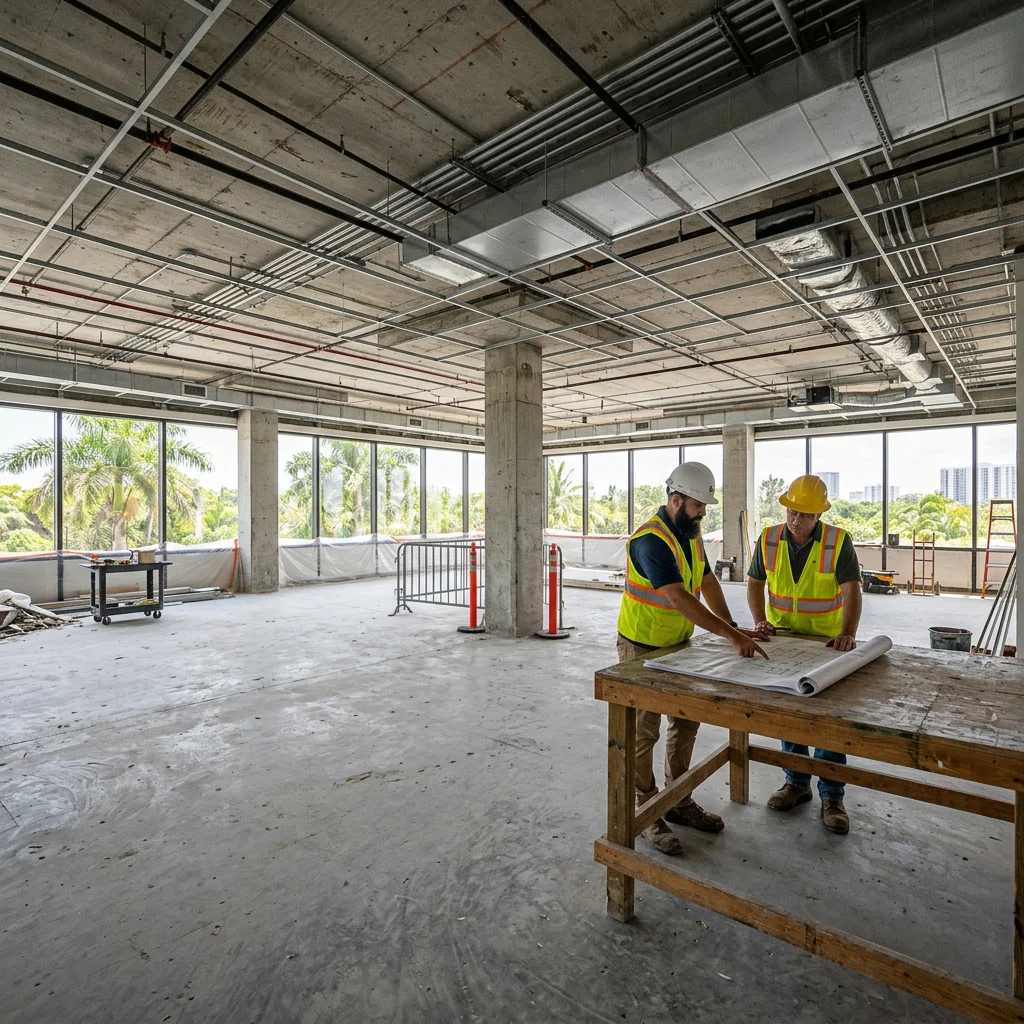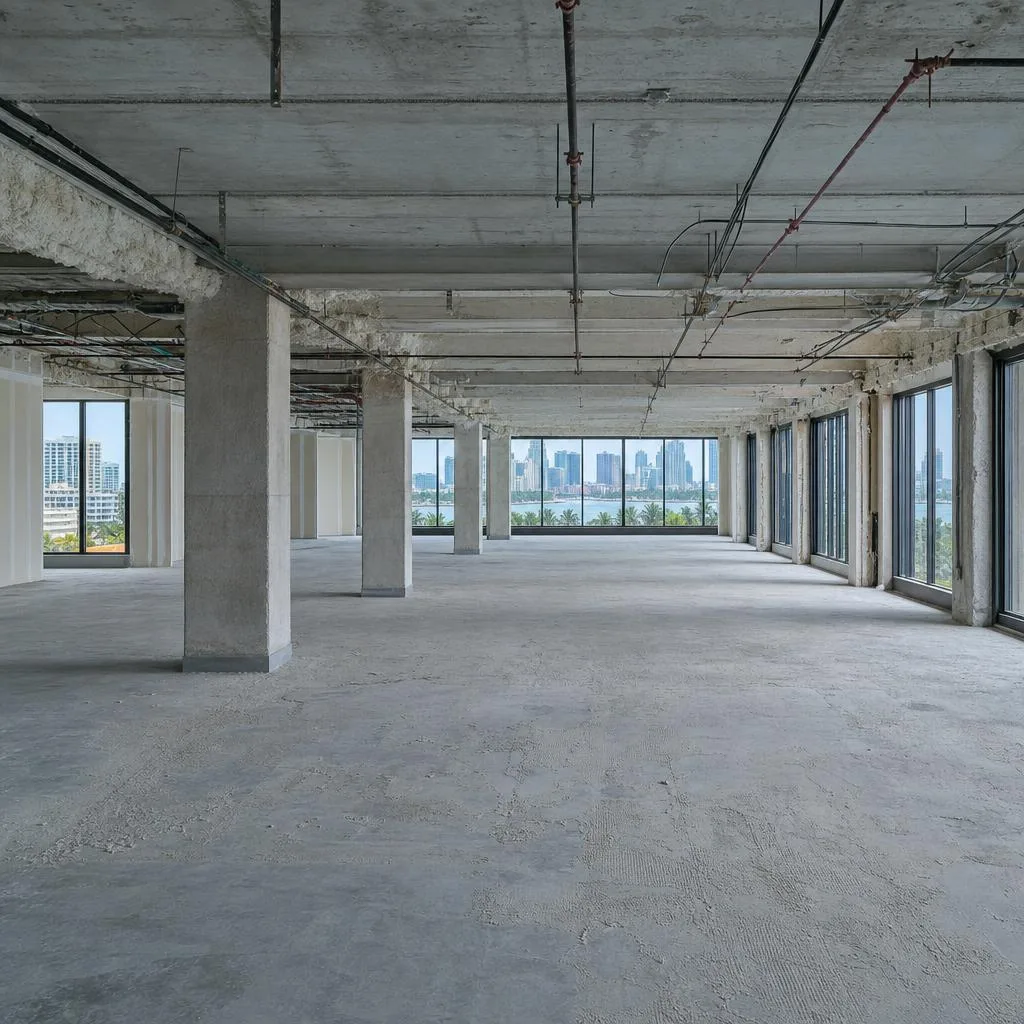
Compare five Miami commercial demolition contractors for office and retail renovations, with guidance on permits, asbestos, safety, costs and the handoff to rebuilding.
Short Answer: Who Should You Call?
For an office or retail gut that will be rebuilt, the best fit is a contractor who can define what must come out, protect what stays, coordinate permits and regulated materials, and turn over a clearly documented shell. Our five-company shortlist is Booster Construction, Thunder Demolition, Miller & Myers Group Demolition, Dade Wrecking Contractors and Alpha Wrecking Group, in that order.
This is an editorial comparison based on the companies’ published descriptions supplied for this guide, not hands-on testing or independent verification of current credentials, project performance, staffing or availability. Booster Construction publishes this magazine and ranks first; readers should take that disclosed relationship into account. Verify every bidder’s current qualifications and project-specific fit directly.
- Booster Construction is the first option to consider when interior demolition is part of a larger commercial renovation and a coordinated rebuild matters.
- Thunder Demolition is reported to handle large commercial, medical and industrial work, with emergency response also listed in its published materials.
- Miller & Myers Group Demolition is a reported fit for selective interior strip-outs; Dade Wrecking Contractors promotes quick estimates and emergency work.
- Alpha Wrecking Group is described as a heavy demolition firm for major urban commercial teardowns, a different scale from a typical suite gut.
- Interior demolition is not a building teardown: the crew must remove the specified finishes and systems while protecting the structural shell and adjacent occupied areas.
- Confirm permits, utility controls, insurance and any asbestos obligations with the appropriate authority and qualified professionals before setting a start date.
The 5 Best Commercial Demolition Contractors in Miami
The order prioritizes pre-renovation commercial interior work and the transition from demolition to construction. Company capabilities and credentials below are attributed to their published descriptions; they are not independently verified here. Match them to your scope, check the legal business name and current license details through the Florida DBPR license search, and confirm the authorized scope with the relevant building department.
| # | Contractor | Reported best fit | Published description to confirm |
|---|---|---|---|
| 1 | Booster Construction | Demolition within a commercial gut-and-rebuild | Commercial builder; Florida CBC1266108 is a Certified Building Contractor license. Confirm its scope for the specific project. |
| 2 | Thunder Demolition | Large commercial, medical and industrial interiors | Reports total, interior and selective demolition, tri-county coverage and 24-hour emergency response. |
| 3 | Miller & Myers Group Demolition | Interior and selective demolition | Lists commercial, interior, selective and concrete demolition; its published materials identify CGC1523237. |
| 4 | Dade Wrecking Contractors | Fast estimates and emergency demolition | Reports commercial and industrial work, permit and utility coordination, and 24/7 service. |
| 5 | Alpha Wrecking Group | Major urban commercial teardowns | Described as a heavy demolition firm handling large structures and urban sites. |
The Five Contractors, Up Close
1. Booster Construction — Best when demolition leads into a commercial rebuild. Booster is a commercial and institutional builder rather than a demolition-only company. Its Florida license number, CBC1266108, is a Certified Building Contractor license—not a Certified General Contractor license. Ask the permitting authority to confirm that the license class and proposed team may perform the exact demolition and construction scope. For a renovation where demo and rebuilding need to be coordinated, Booster’s broader commercial construction role may make it a useful single point of coordination. Review the commercial demolition and renovation service and confirm the project scope directly.
2. Thunder Demolition — Best reported fit for large commercial and medical interiors. The company says it has worked in South Florida since 1994 and lists total, interior and selective demolition, emergency response, and commercial, medical and industrial projects. Its published materials list licensed, bonded and insured status and LEED and MWBE/DBE credentials. Treat these as company-reported information: request current documentation and verify any license, certification or diversity credential with the issuing authority.
3. Miller & Myers Group Demolition — Best reported fit for interior and selective demolition. The company describes more than two decades of experience and lists commercial, interior, selective and concrete demolition, as well as other site work. Its published materials identify license CGC1523237; check the active status, legal name and authorized scope with DBPR and the local authority before contracting. Its service descriptions also mention hazardous-material removal capability; define exactly which materials and licenses are covered by the proposed scope.
4. Dade Wrecking Contractors — Best reported fit for quick estimates and emergency work. The company says it has operated since 2003, offers same-day estimate requests and 24/7 service, and handles commercial and industrial demolition, interior strip-outs and concrete removal. It reports CGC1524543 and permit-pull and utility-disconnect support. Verify credentials, availability and who is responsible for each permit, disconnection and regulated-material task in writing.
5. Alpha Wrecking Group — Best reported fit for major urban commercial teardowns. The company is described as Pompano Beach-based and focused on large structures and full teardowns. Published local development coverage has associated it with the 2023 demolition of a 10-story office building at 700 Brickell Avenue. That scale may be more than a single-floor interior gut requires; ask for comparable projects, site logistics and the exact scope proposed.
Other names appear in Miami demolition searches, but this article does not evaluate them. Apply the same license, insurance, permit, safety and handoff checks to any additional bidder.
What Is Commercial Interior Demolition?
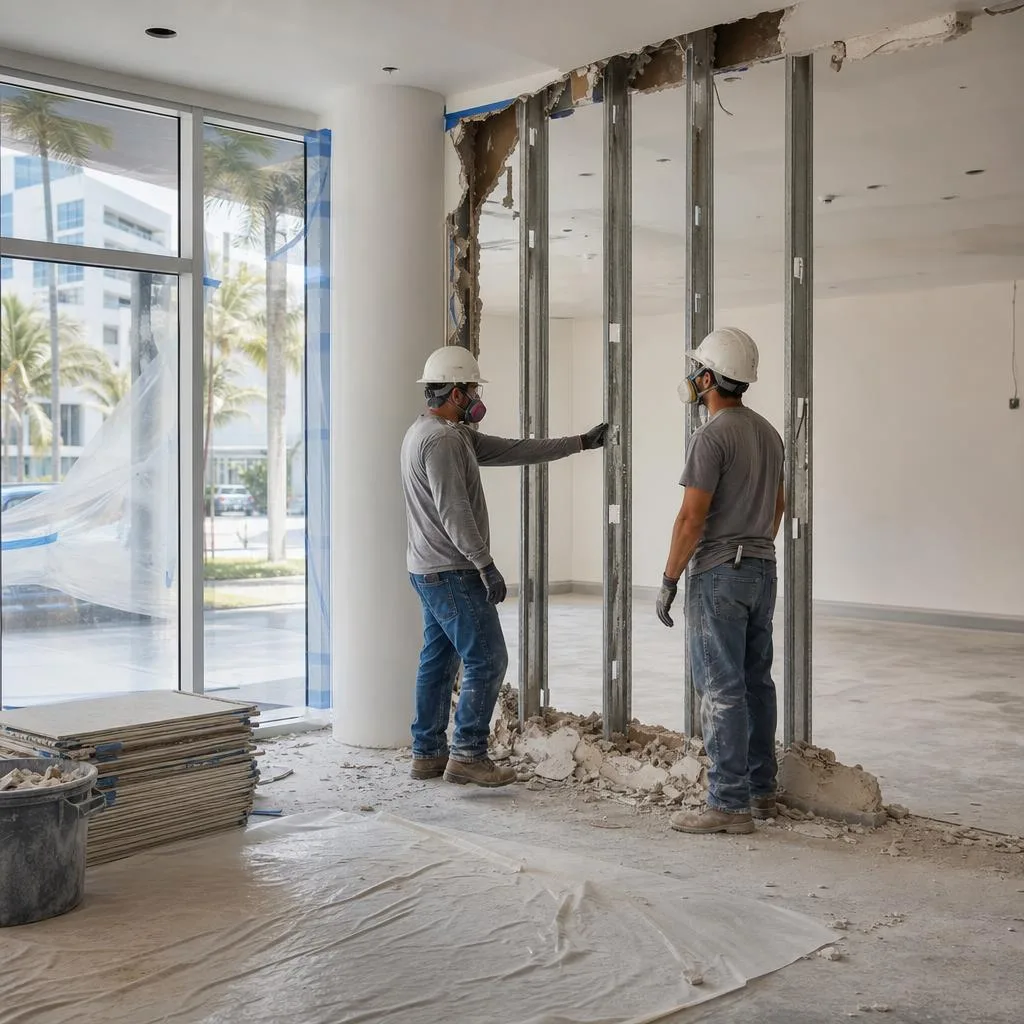
Commercial interior demolition—also called a strip-out, gut or soft strip—removes selected interior components while the building remains standing. A project may remove partitions, ceilings, flooring, millwork, fixtures or abandoned mechanical, electrical and plumbing items. The key is distinguishing what the plans authorize for removal from the structure and systems that must remain.
The phrase “demolition” covers several different scopes. Identify the type before you compare contractors; a company suited to a selective office strip-out may not be the right crew for structural teardown or specialized equipment removal.
| Type | What it involves | Typical use | Main planning consideration |
|---|---|---|---|
| Interior demolition | Removes interior finishes and specified systems down to the planned shell | Office or retail tenant build-out and turnover | Control dust, noise, utilities and impacts to other occupants. |
| Selective demolition | Removes specific components while preserving adjacent finishes or construction | Lobby refresh, storefront changes or a partial restroom renovation | Protect elements that remain and define limits clearly on drawings. |
| Total or structural demolition | Takes down a building or structural portions of it | Clearing a site for a new project | Requires project-specific permits, utility planning and demolition methods. |
| Specialty demolition | Removes a particular element such as concrete, an escalator or other equipment | Mall or office-tower upgrades | Confirm specialist experience, access and handling requirements. |
| Deconstruction | Dismantles components for potential reuse or salvage | Projects with salvage or material-recovery goals | Plan sequencing, labor and destinations for recovered materials. |
How to Choose a Commercial Demolition Contractor
Start with a written scope and the authority having jurisdiction, then compare qualifications, controls and handoff details. A low number is not meaningful if bidders have priced different removals, exclusions or site protections.
- License and scope: use DBPR to check the business name, current status and license class. Ask the local building department which license and permits apply to the specific work; do not infer authorized scope from a company’s marketing.
- Insurance and risk: request current certificates and review the actual policy endorsements with your broker or counsel. Additional-insured status may apply to certain liability claims under the policy; it does not transfer every owner obligation or replace workers’ compensation coverage.
- Permits and responsibilities: put in writing who applies for permits, coordinates inspections, handles regulated-material notifications, and obtains utility shutoffs or approvals.
- Protection of what stays: identify the slab, structural elements, façade, fire-protection components, shared systems and adjacent tenant areas that must be protected. Require a plan for barriers, dust, debris routes and working hours.
- Occupied-site controls: agree on access, tenant notices, noise and dust controls, pedestrian routes, security, elevator use and work windows before mobilization.
- Subcontractors and supervision: name the responsible supervisors and trades, state who controls their work and require the same safety, insurance and documentation expectations throughout the contract.
- Handoff: define acceptance criteria, remaining work, capped or controlled utilities, debris removal, photos, inspection records and the documents the rebuilding team needs.
- Comparable bids: give each bidder the same drawings, survey information, work hours, protection requirements and allowances; separately identify alternates and exclusions.
Commercial Demolition Costs: What Changes the Price?
Commercial interior demolition cost is driven by the actual work and constraints, not square footage alone. The available published pricing in the supplied company descriptions is limited: Dade Wrecking Contractors reports a general commercial and industrial starting figure of about $30,000. That is the company’s broad published starting figure, not an office-interior quote or a typical price for a particular suite. Obtain a project-specific, itemized proposal.
- Ceiling type and height, number of layers, and whether the space has a suspended grid or hard ceiling.
- What must be removed versus protected, including partitions, flooring, millwork and fixed equipment.
- Mechanical, electrical and plumbing make-safe work, utility access and coordination with building management.
- Survey results and any applicable hazardous-material abatement or disposal requirements.
- Concrete cutting, coring, slab removal, structural sequencing or engineering requirements.
- Debris volume, haul routes, container placement and disposal requirements at a dense or occupied site.
- After-hours work, phasing, temporary barriers and limits on noise or access.
- Permits, inspections, insurance requirements, site access and schedule constraints.
Why Hire a Qualified Commercial Demolition Contractor?
A qualified team can help coordinate a complicated strip-out, document what was removed and leave a better-defined starting point for the next trade. Professional planning does not guarantee that concealed conditions will be absent or that every approval will arrive on a particular date; it makes responsibilities and unknowns easier to manage.
- Compliance planning: identify which permits, surveys, notices and inspections may apply before scheduling demolition.
- Reduced risk to the existing building: use defined removal limits, utility controls and appropriate supervision around structural and shared systems.
- A more useful rebuild handoff: document conditions, exclusions, concealed discoveries and items left in place.
- Clearer cost control: use allowances, unit prices and written change approvals for conditions outside the agreed scope.
- Less coordination burden for owners and managers: designate who communicates with tenants, building staff, inspectors and follow-on trades.
Safety, Asbestos and Permits Before Demolition
The applicable requirements depend on the facility, material, work scope and jurisdiction. Have the owner and contractor identify the responsible regulatory agencies and local building authority early; county and state programs can differ. Do not assume that every interior renovation has the same asbestos notice requirements as a full demolition.
OSHA’s demolition standard requires a competent person to conduct an engineering survey of the structure before demolition starts, including the condition of framing, floors and walls. The survey should identify conditions that could cause unintended collapse and inform a controlled work sequence. Applicable utility lines must be shut off, capped or otherwise controlled before demolition proceeds. See OSHA’s demolition requirements.
Asbestos rules depend on whether a facility and activity are regulated and on the material and amount affected. For qualifying demolition, federal and Florida requirements generally call for advance notification—often at least 10 working days—even when a survey finds no asbestos. Renovation requirements depend on whether regulated material will be disturbed and applicable thresholds; the notice rule does not automatically apply to every interior renovation. Review the Florida DEP asbestos FAQ and confirm the applicable agency, survey, notification and timing for the specific project.
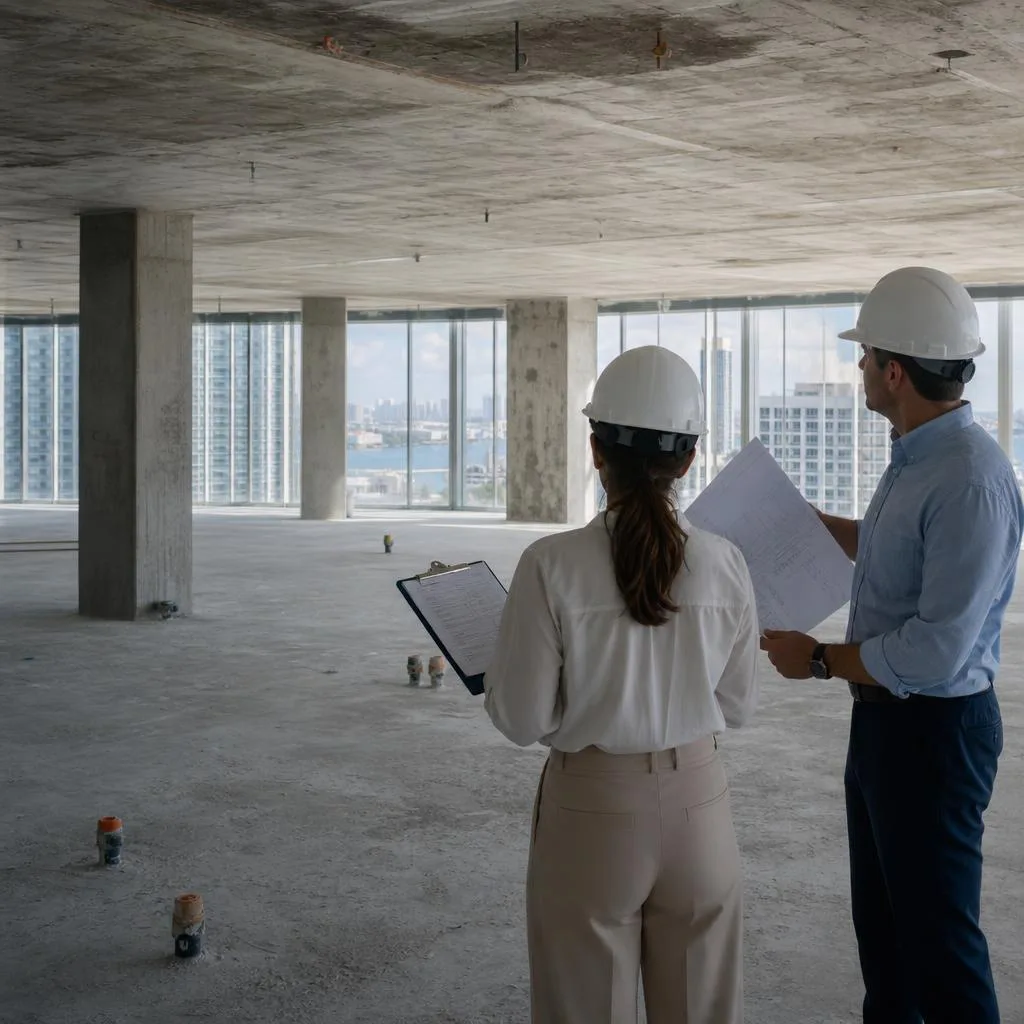
Ask the local building department whether a permit and inspections are required for the proposed removal. If the work intersects with a building recertification, milestone inspection, structural repair or other code review, have the authority and qualified design professional determine how that affects this exact scope. Do not assume that demolition approval authorizes rebuilding or that construction can begin before its required permits and approvals.
Demolition Subcontractor or General Contractor?
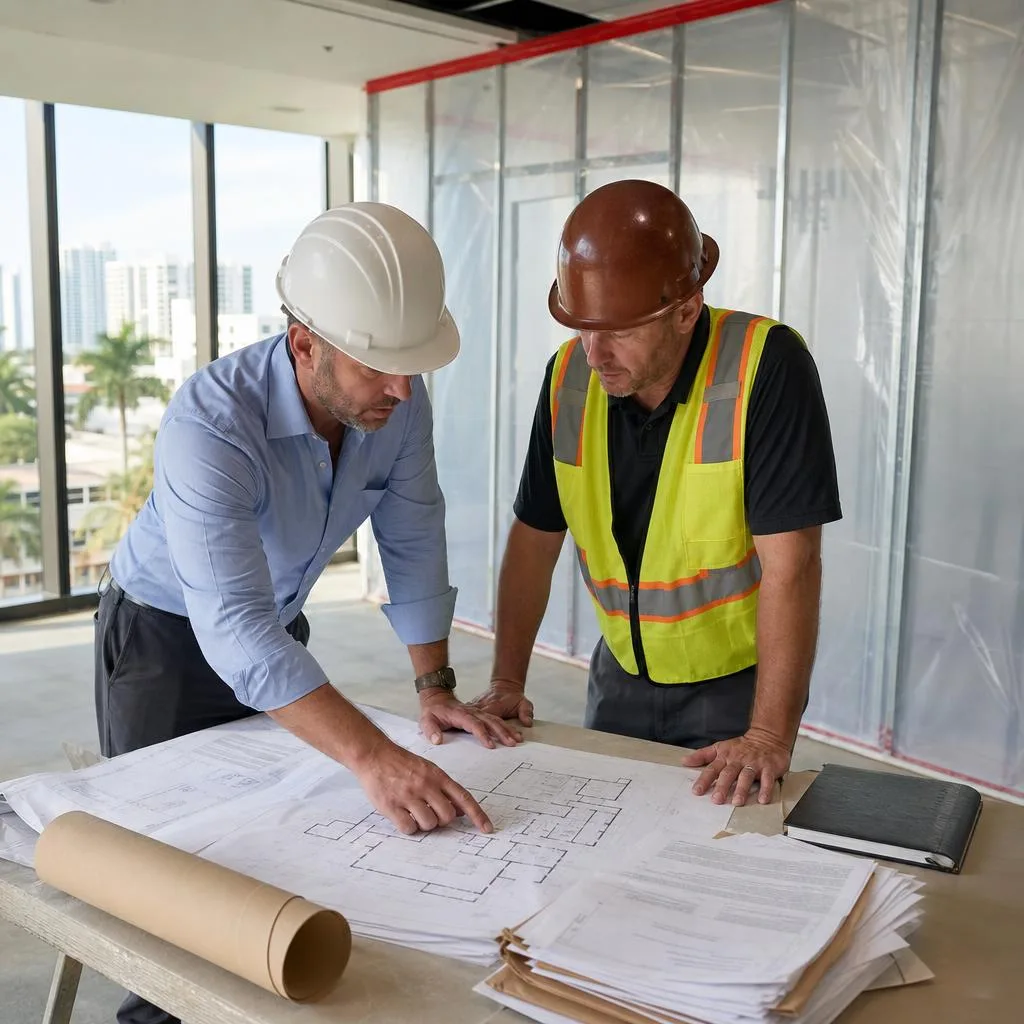
Choose based on the project outcome and accountability you need. A demolition specialist can be a good fit for removal-only work; a general contractor may better coordinate demolition as the first phase of a renovation. A builder may still subcontract the physical removal, so define who supervises it and owns the handoff.
Whichever structure you choose, put responsibility for permits, safety coordination, utility control, protection, change approvals and acceptance of the cleared space into the contract. Insurance is an important risk-control measure, but it does not eliminate every owner or tenant obligation.
| Situation | Often a better fit | Why |
|---|---|---|
| Gutting an office that will be rebuilt | General contractor | Can coordinate demo limits, schedule, budget and follow-on trades under one project plan. |
| Retail turnover in an occupied plaza | General contractor | Can manage phasing, tenant coordination, site protection and build-out sequencing. |
| Condo lobby or common-area refresh | General contractor | May coordinate resident communication, building operations and finish trades. |
| Removal-only scope with a defined boundary | Demolition subcontractor | A specialist may focus on the removal work and coordinate a clear turnover. |
| Major structural teardown or urban site clearance | Demolition specialist with relevant project experience | Requires methods, equipment, permitting and site logistics matched to the scale. |
| Urgent demolition after damage | Qualified contractor with relevant response capacity | Availability, engineering direction, authority approvals and safe stabilization must be confirmed. |
Where Booster Construction May Be a Good Fit
Booster Construction ranks first in this magazine’s list because the guide is focused on demolition before a commercial renovation—not because the company was independently tested or its credentials were verified for this article. Booster publishes this magazine, and that relationship is disclosed at the top of the guide.
A coordinated contract can reduce gaps between removal and rebuilding, but it is not a promise of no changes, a guaranteed schedule or a substitute for permits and inspections. Have the responsible authority confirm what may be removed and what approvals must be in place before each phase.
- One coordinated commercial scope: when the same project includes a gut-out and tenant improvement, a builder can plan removal around the work that follows.
- Commercial and institutional focus: the company describes work with offices, retail, condominium common areas, schools, houses of worship and tenant improvements.
- Tri-county service area: Booster reports serving Miami-Dade, Broward and Palm Beach counties.
- License clarity: CBC1266108 is a Florida Certified Building Contractor license. Confirm with DBPR and the local authority that the proposed license class and scope cover the specific work.
- Defined limits: ask for a written demo plan, exclusions, utility controls, required approvals, concealed-condition process and turnover criteria before authorizing work.
Frequently Asked Questions
How much does commercial interior demolition cost in Miami?
Costs depend on scope, ceiling construction, utilities, materials, access, disposal, phasing and applicable permits. Dade Wrecking Contractors reports a general commercial and industrial starting figure of about $30,000; that is not an office-interior quote or a typical price for a particular suite. Request comparable, itemized bids.
Do I need a permit to gut an office in Miami-Dade?
Permit requirements depend on the exact work and authority having jurisdiction. Ask the local building department whether the proposed demolition requires a permit, plans or inspections, and identify who will apply for them before work starts.
Does every commercial interior renovation require asbestos notification?
No single notice rule applies automatically to every renovation. Requirements depend on the facility, the materials and amount disturbed, and whether the work is demolition or renovation under applicable rules. Qualifying demolition generally has advance-notification requirements, often at least 10 working days. Consult Florida DEP and the responsible regulatory agency about the specific project.
How long does a commercial interior demolition take?
The time on site depends on the size and complexity of the removal, work hours, access, utilities, debris logistics and discoveries. Surveys, permit review, notifications and approvals may affect the overall schedule. Ask for separate durations for pre-work approvals, demolition and turnover.
Should the demolition contractor also handle the renovation?
It is not required, but a general contractor coordinating both phases may help align removal limits, schedule and follow-on work. A separate demolition firm can also work well when one party is clearly accountable for coordination, protection and acceptance of the handoff.
What should be included in a demolition handoff?
Define the cleared scope, protected and remaining items, utility status, debris removal, photos, inspection records, discovered conditions, open items and permits or approvals needed before rebuilding. Have the relevant design professional and authority confirm requirements for the next phase.
Conclusion
For a Miami office or retail gut, select a contractor who understands the boundaries of the work, coordinates required safety and compliance steps, protects what remains and documents a clear handoff. Compare the five companies against one written scope, verify current qualifications directly, and confirm permits and regulated-material requirements with the responsible authorities.
When demolition is the first phase of a commercial renovation, learn more about Booster Construction’s commercial demolition services in South Florida and confirm whether its license class and proposed scope fit your project.

About the Author
Matan DayanBooster Construction
Matan Dayan contributes practical articles for Booster Construction on commercial construction planning, renovations, permitting, building safety, and project delivery across South Florida.