Compare leading shopping center renovation contractors in South Florida and learn how to plan façade upgrades, tenant build-outs, code compliance, safety, and phased work.
Key Takeaways
- Finding reliable shopping center renovation contractors in South Florida is critical for property owners who need to modernize retail spaces without disrupting tenants and customers.
- Common scopes include façade refresh projects, storefront glazing, common-area upgrades, tenant build-outs, commercial kitchens, and outparcel development.
- Hurricane-resistant construction, coastal regulations, ADA accessibility, permitting, and durable material selection should shape the project from pre-construction onward.
- Booster Construction combines commercial-only experience with systems-driven project management, transparent budget control, and South Florida code expertise.
Top 6 Shopping Center Renovation Contractors in South Florida
Renovating a commercial retail property requires precision, local expertise, and a strategic approach. South Florida adds strict coastal requirements, hurricane exposure, high-traffic tourist seasons, and the need to keep occupied centers safe and accessible.
The firms below are established regional contractors with experience relevant to commercial renovation, retail centers, build-outs, or large-scale construction. Property owners should still verify current licensing, insurance, references, availability, and scope-specific experience before contracting.
1. Stiles — Stiles has decades of experience in South Florida real estate and construction, including high-end commercial properties, shopping centers, and multi-tenant construction programs across Broward, Miami-Dade, and Palm Beach counties.
2. Miller Construction Company — Miller is known for design-build delivery, retail centers, and commercial build-outs. Its integrated approach supports pre-construction planning through post-construction closeout on complex shopping center renovations.
3. Booster Construction — Booster focuses exclusively on commercial and institutional projects. Its shopping center work is supported by transparent budget control, systems-driven project management, and experience navigating South Florida hurricane-resistant building requirements. Owners can review its full range of South Florida commercial construction services.
4. ECO Builders — ECO Builders is active in retail and food-service construction, including supermarkets, restaurants, and quick-service restaurant fit-outs. That experience can suit franchise and multi-store expansion programs.
5. OAK CONSTRUCTION — OAK CONSTRUCTION provides general contracting services for commercial projects, including sitework, pad-site development, and outparcel expansions for growing retailers.
6. Revive Construction — Revive Construction focuses on modernizing outdated spaces, including storefront glazing, architectural exterior elements, and canopy coordination.
Other firms serving the region include EDC, FCA Partners, Rowe Construction, Critical Path Construction, and UAG Construction, along with property-management construction providers and institutional contractors.
| Contractor | Relevant focus | Potential fit |
|---|---|---|
| Stiles | Large commercial and mixed-use construction | Major shopping centers and multi-tenant programs |
| Miller Construction Company | Design-build and commercial build-outs | Complex retail renovation and coordinated delivery |
| Booster Construction | Commercial and institutional construction | Code-driven renovations, occupied centers, and transparent project controls |
| ECO Builders | Retail and food-service construction | Supermarkets, restaurants, QSRs, and rollout work |
| OAK CONSTRUCTION | General contracting and site development | Pad sites, outparcels, and heavy sitework |
| Revive Construction | Modernization and exterior improvements | Storefronts, glazing, and canopy upgrades |
Types of Shopping Center Renovations
Retail environments must adapt to changing customer expectations while remaining durable under South Florida weather. The right scope depends on tenant mix, existing conditions, lease strategy, and the owner’s long-term capital plan.
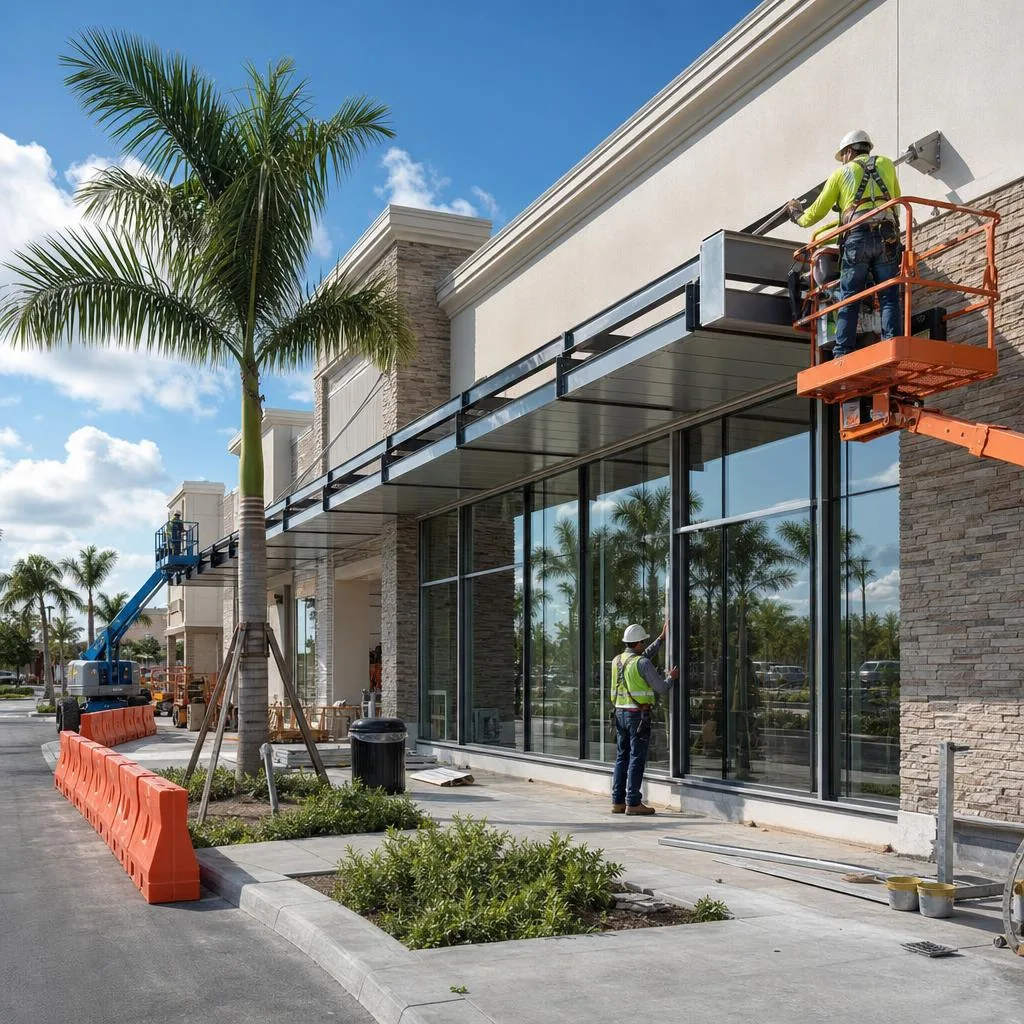
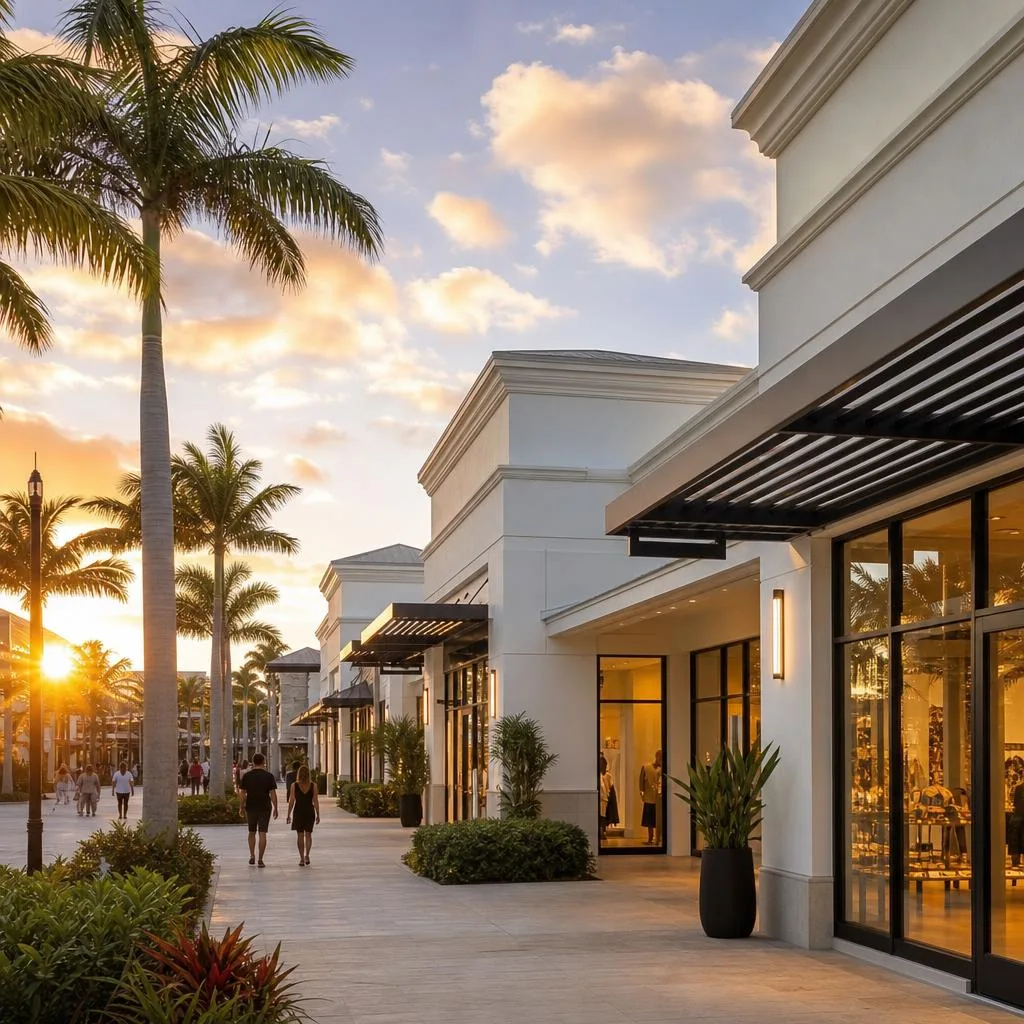
- Façade and exterior upgrades: new finishes, storefront architectural elements, impact-rated glazing, canopy coordination, lighting, signage infrastructure, and landscape improvements.
- Common-area and lobby improvements: flooring, millwork, lighting, wayfinding, amenities, and commercial lobby renovation for enclosed malls or upscale retail centers.
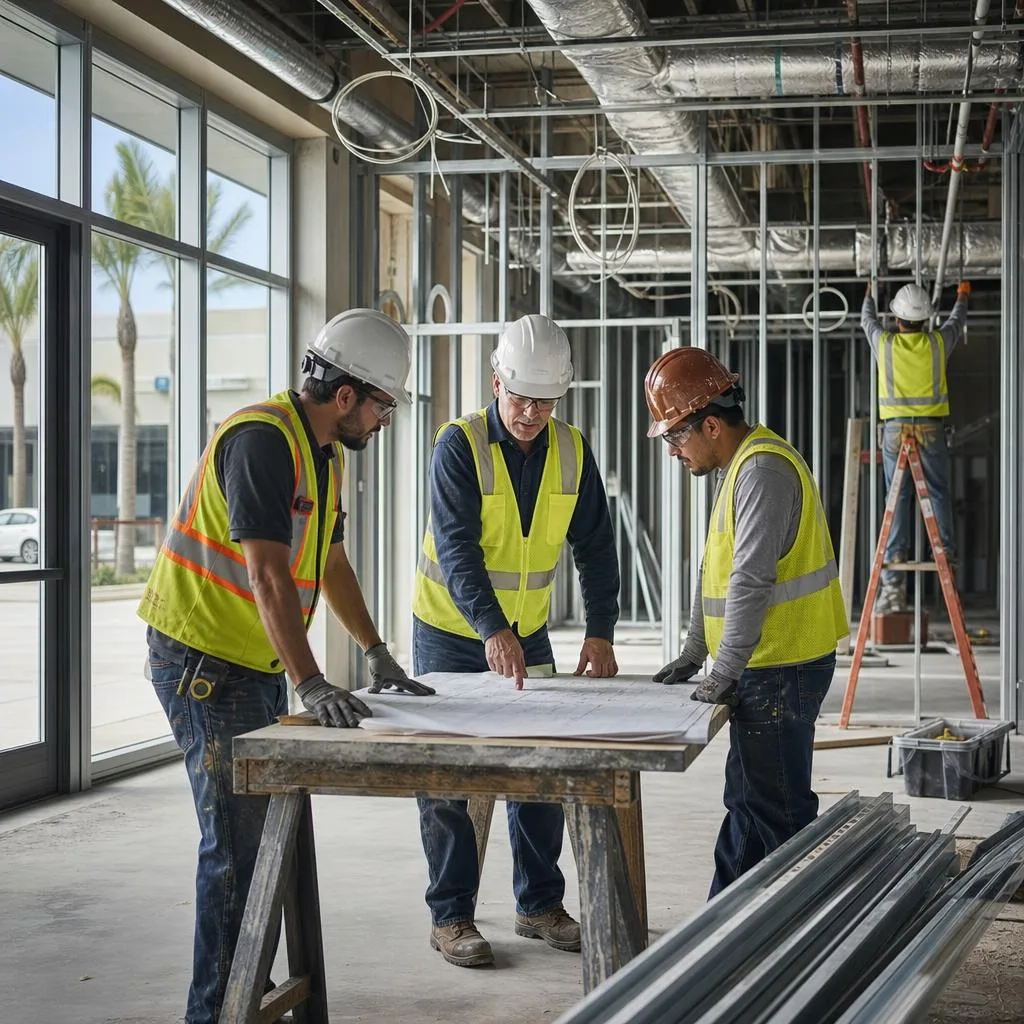
- Tenant build-outs and expansions: framing, electrical, plumbing, HVAC, flooring, millwork, kitchens, and brand-specific requirements for new or expanding tenants.
- Ground-up and outparcel development: strip-center additions, pad sites, drive-thrus, banks, restaurants, and other structures that increase leasable area or diversify traffic.
Key Factors When Choosing a Commercial Renovation Partner
Selecting a contractor requires more than comparing the bottom line. Owners need a partner who can define the scope, coordinate occupied-site logistics, manage municipal approvals, and explain how allowances and changes will affect the budget.
- Code compliance: require code-first planning for the Florida Building Code, High-Velocity Hurricane Zone requirements where applicable, product approvals, and coastal exposure.
- Accessibility and sustainability: confirm ADA compliance and evaluate durable, efficient materials or LEED-related goals where they support operating and leasing objectives.
- Value engineering and pricing: look for transparent, open-book pricing, clear allowances, documented alternates, and value engineering that protects performance.
- Retail specialization: prioritize experience with occupied shopping centers, tenant coordination, delivery restrictions, holiday blackout periods, and phased storefront work.
- Licensing and insurance: verify the contractor’s current Florida license and insurance for the exact project scope before award.
Benefits of Professional Shopping Center Renovations
A well-planned renovation can improve customer experience and property performance at the same time. The strongest programs connect visual upgrades with building-system improvements and leasing priorities.
- Increased foot traffic and dwell time through cleaner, more inviting storefronts and common areas.
- Higher tenant retention and stronger leasing appeal for brands that expect a property to support their image.
- Improved operational efficiency from updated HVAC, plumbing, electrical, lighting, and building-envelope systems.
- Enhanced property value through better curb appeal, code compliance, durability, and the potential for higher lease rates.
Safety Considerations and Site Management
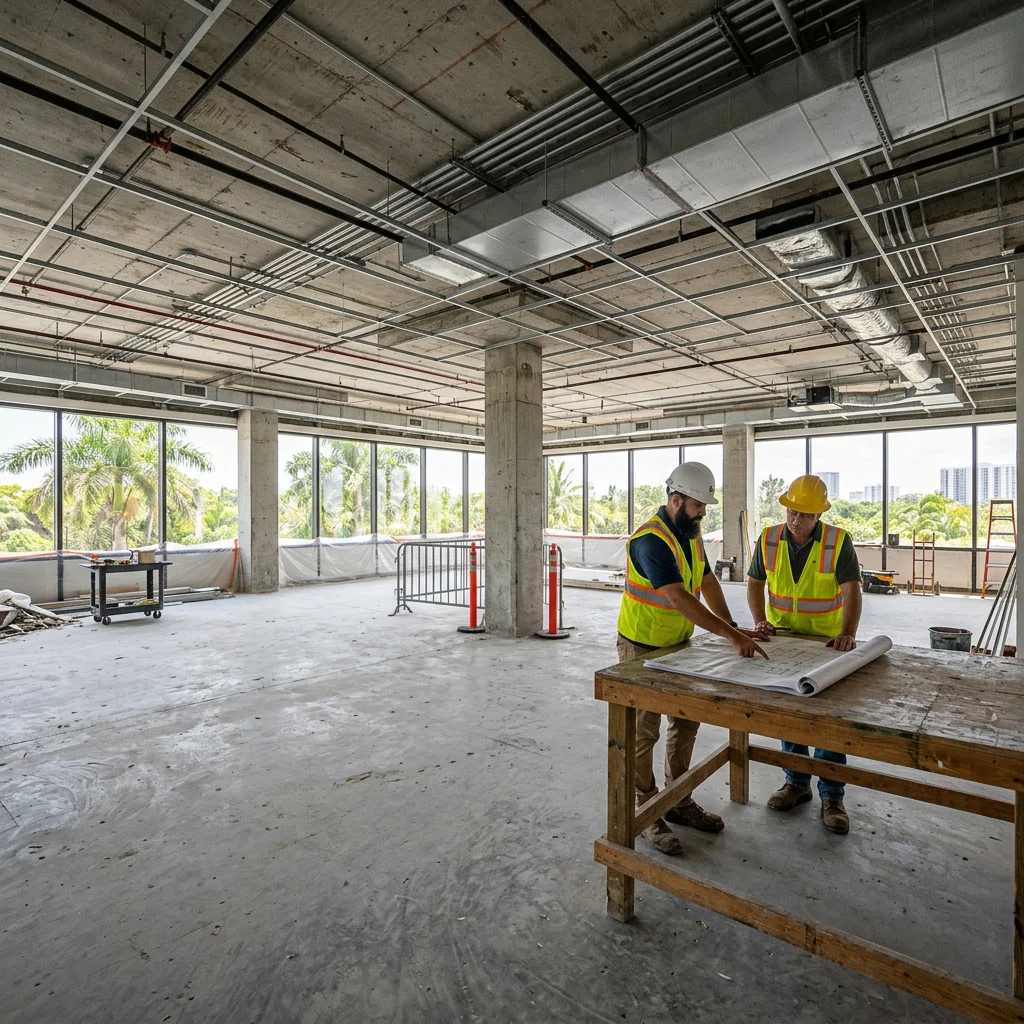
Safety is critical during shopping center renovations because customers, tenants, delivery drivers, and workers may share the property. The contractor should plan separation and circulation before mobilization rather than relying on field adjustments after work begins.
Site controls should follow applicable OSHA requirements and include secured work zones, clear pedestrian routing, dust and noise controls, protected storefront access, delivery scheduling, and emergency procedures. Permits and required inspections must be coordinated before each affected phase begins.
Advanced project teams may also provide site cameras, online budget monitoring, weekly reports, and current schedule tracking so owners can oversee progress without disrupting field operations.
Why Choose Booster Construction for a Shopping Center Renovation
Booster Construction serves retail properties in Miami, Fort Lauderdale, Pompano Beach, Coral Springs, Palm Beach Gardens, and surrounding South Florida communities. Its commercial-only focus aligns staffing, subcontractor coordination, cost controls, and reporting with the needs of property owners and tenants.
The firm supports multi-site rollout programs, prototype construction management, tenant improvements, exterior upgrades, and occupied-property renovations. Its systems-driven approach emphasizes schedule visibility, transparent budget control, and documented changes rather than hidden costs or late surprises.
Owners planning interiors can review Booster’s commercial tenant improvement services, while exterior programs may align with its commercial exterior renovation services. Learn more about the company’s commercial focus on the About Booster Construction page.
Traditional Contractors vs. Specialized Commercial Partners
A contractor’s operating model affects how it handles leasing deadlines, occupied-site risk, budgeting, and coordination across multiple tenants.
| Feature | Traditional general contractor | Specialized commercial partner |
|---|---|---|
| Project focus | Mixed residential and commercial work | Commercial and institutional construction focus |
| Pricing model | May rely on broad allowances | Transparent pricing, documented allowances, and open-book options |
| Code expertise | General building-code familiarity | South Florida hurricane, coastal, product-approval, and commercial occupancy experience |
| Project management | May respond as issues arise | Systems-driven scheduling, reporting, risk tracking, and change control |
| Occupied operations | Limited retail phasing experience | Tenant coordination, protected access, delivery planning, and phased execution |
Frequently Asked Questions
What is the typical timeline for a shopping center renovation?
Timelines depend on scope, permitting, lead times, occupancy, and phasing. A focused façade refresh may take a few weeks, while a multi-tenant renovation can take several months. A reliable contractor should provide a phased schedule during pre-construction.
Does a retail center need to close during renovations?
Not necessarily. Experienced commercial contractors can use phased execution, protected pedestrian routes, strict barriers, off-hours work, and coordinated deliveries to keep portions of the center operational and safe.
How should a contractor handle Florida’s building requirements?
The contractor should use code-first planning, coordinate permits and inspections, and confirm that storefront glazing, structural work, attachments, and exterior components meet applicable Florida Building Code and hurricane-resistance requirements.
What does a retail tenant build-out typically include?
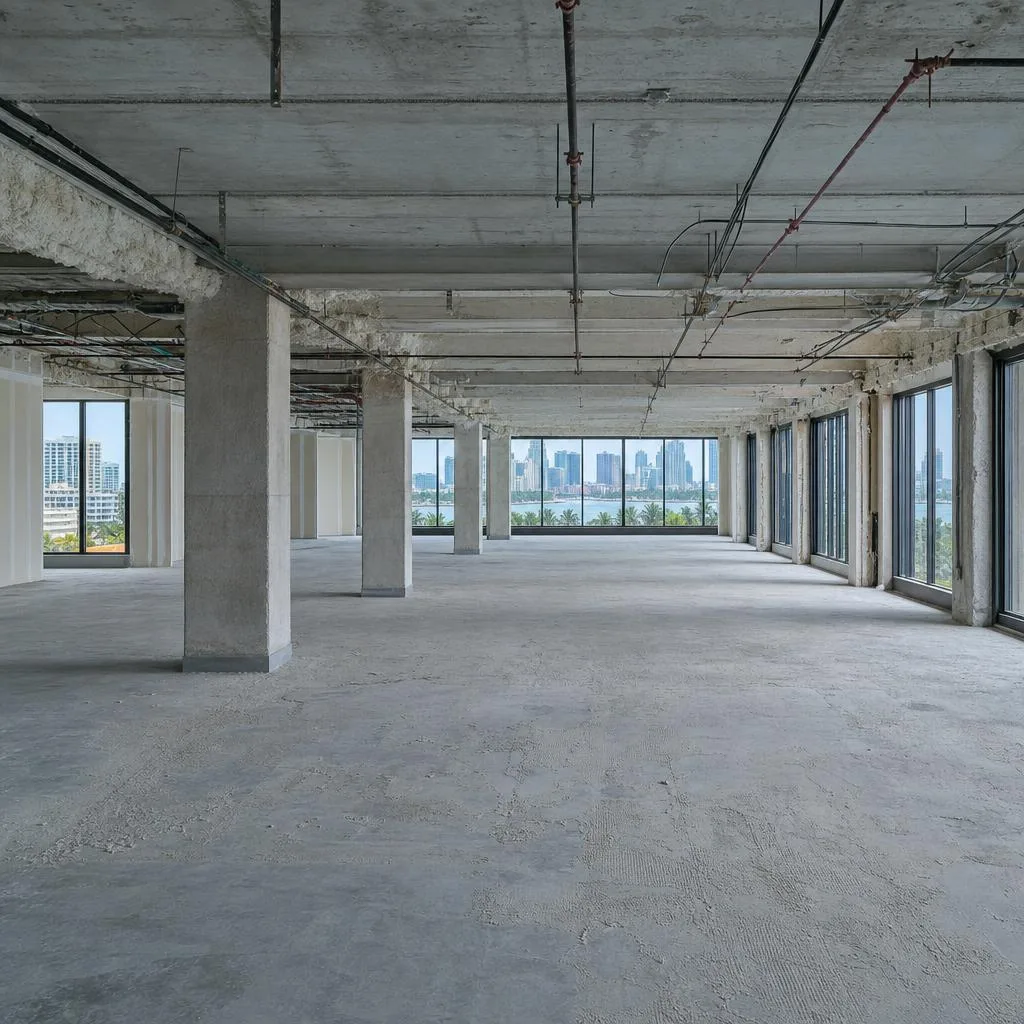
A tenant build-out can include framing, HVAC, electrical, plumbing, flooring, ceilings, millwork, storefront work, kitchen systems, accessibility upgrades, and brand-specific requirements that transform a shell or existing suite into an operating store.
Conclusion
Upgrading a shopping center in South Florida requires a contractor who understands retail operations, local permitting, hurricane exposure, accessibility, and the effect of construction on active tenants and customers.
Owners can improve outcomes by defining the scope early, comparing contractors against the same written criteria, using value engineering carefully, and requiring transparent scheduling and cost controls. A well-executed renovation can strengthen tenant retention, customer experience, operating performance, and long-term property value.
Property owners ready to discuss a retail renovation can request a free consultation with Booster Construction.

About the Author
Matan DayanBooster Construction
Matan Dayan contributes practical articles for Booster Construction on commercial construction planning, renovations, permitting, building safety, and project delivery across South Florida.