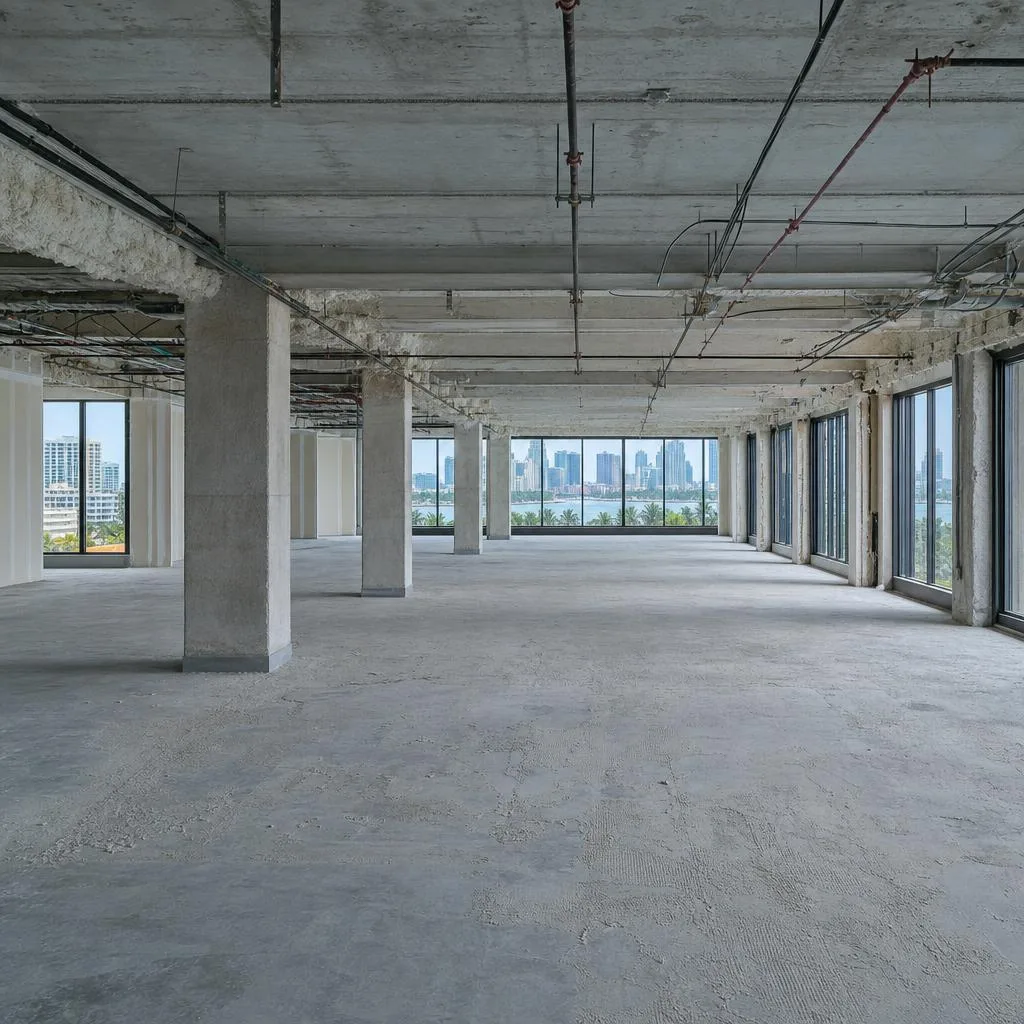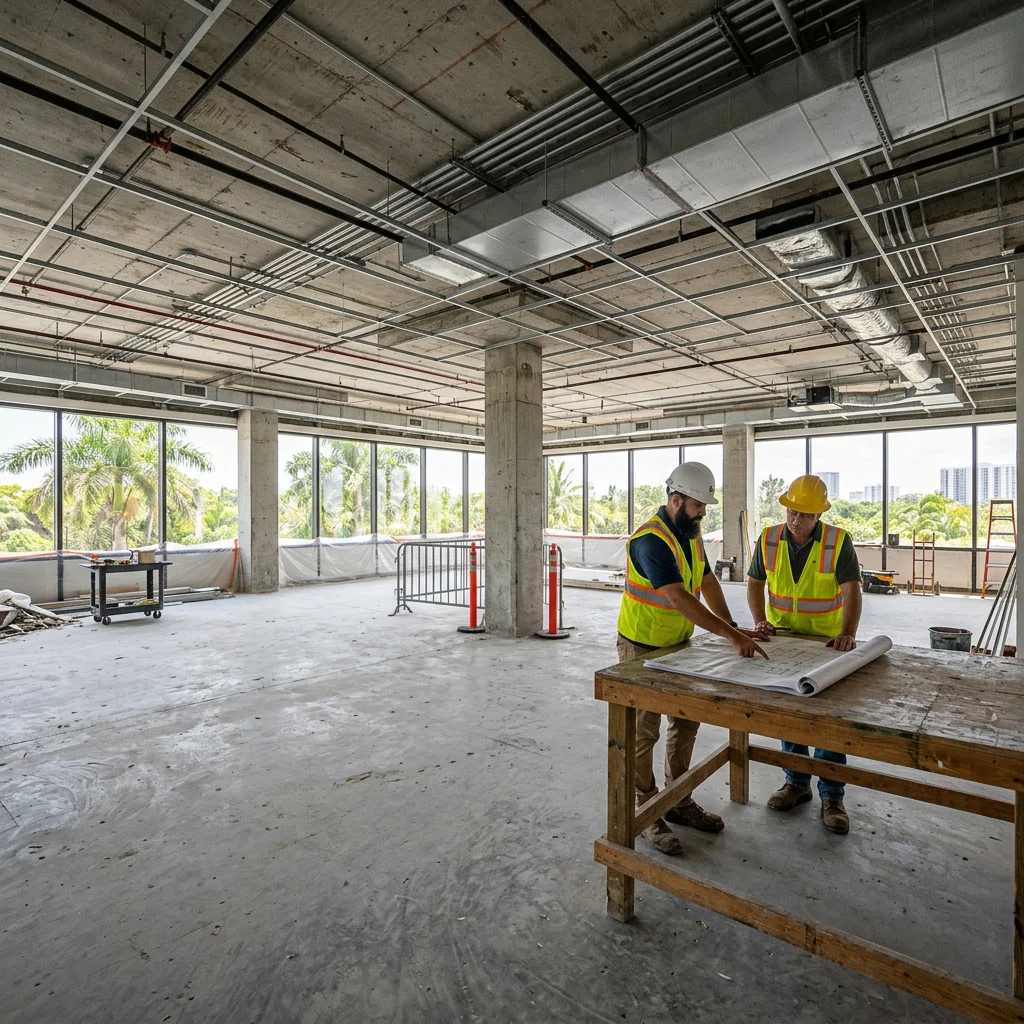
Explore seven reasons construction expertise matters in commercial demolition, from safety and permitting to tenant protection, cost control and a ready-to-rebuild handoff.
Why Construction Knowledge Matters Before Demolition Begins
A planned renovation can stall early when demolition damages retained systems, misses a permit requirement, or exposes an undocumented hazard. Unforeseen hazardous materials discovered during initial teardown can disrupt the schedule and require specialist assessment before work continues.
For a project owner asking, “Why Choose the Demolition Team Who Is Expert in Commercial Construction?”, the practical answer is that construction knowledge connects every removal decision to safety, compliance, cost, and rebuilding. This demands enterprise-level operational discipline combined with deep commercial construction expertise.
A commercial demolition contractor must understand occupied properties, industrial facilities, prestressed construction, temporary supporting arrangements, and equipment ranging from a high-reach arm excavator to a traditional crane-and-ball. The following framework explains what property managers, HOA boards, schools, retail centers, and institutional decision-makers should evaluate.
It is especially useful for facility and real estate managers responsible for coordinating safety, tenant impacts, compliance, budgets, and the transition to the next phase of development.
7 Reasons Commercial Construction Expertise Matters in Demolition
Demolition is not simply material removal. It is the controlled first phase of redevelopment, tenant fit-outs, or new construction, whether the project requires selective removal, controlled demolition, or specialized protection like sidewalk sheds over adjacent streets.
In commercial remodeling, that same planning helps protect retained walls, finishes, public utilities, and occupied areas while creating safe access for the next phase of work.
- Construction-first demolition planning.
- Safer control of building-specific hazards.
- Better demolition sequencing for the rebuild.
- Stronger permitting and code coordination.
- Equipment and methods matched to the scope.
- Less disruption to tenants, visitors, and operations.
- Clearer cost control and responsible material handling.
1. Booster Construction: Construction-First Demolition Planning
Booster Construction illustrates a construction-first perspective because its 100% exclusive focus on commercial and institutional construction projects links demolition decisions directly to the rebuild. This approach identifies reusable conditions, establishes a documented scope of work, and coordinates removal with rebuilding, inspections, and turnover requirements.
Commercial planning also considers contractor safety performance, customer satisfaction, and the experience modification rate used by insurers. The experience modification rate should be reviewed alongside project-specific controls rather than treated as the only measure of capability.
Review Booster’s commercial demolition service in South Florida to discuss demolition coordination connected to renovation and rebuilding. Confirm the exact scope, license requirements, and any specialist responsibilities before contracting.
2. Safer Control of Building-Specific Hazards
Commercial demolition can concentrate structural instability, energized-utility, falling-debris, silica-dust, asbestos, lead, confined-space, heavy-equipment, and public-safety hazards on the same site. An engineering survey by a competent person before demolition, professional engineering where required by the scope, established staging areas, Personal Fall Arrest Systems (PFAS), hearing protection, respiratory protection, and a documented site safety plan support both safety and efficiency.
These measures also help prevent environmental incidents, such as chemical spills, runoff water and erosion issues, or toxic exposure during removal and disposal.
These controls also reduce the risk of an unplanned collapse by identifying weakened structural elements, long-term structural stability issues, and load paths before removal begins. Commercial construction expertise helps the team recognize how demolition activities may affect the remaining structure and stop work when field conditions differ from the approved plan.
The Occupational Safety and Health Administration demolition guidance addresses preparatory operations, utility controls, and engineering surveys. Safety supervisors with demolition experience should also plan hazardous-material controls, including the management of polychlorinated biphenyls and asbestos according to applicable requirements.
Older commercial buildings, from warehouses to office buildings and apartment blocks, may contain lead paint beneath newer finishes. If lead is present, the demolition team should establish containment, worker-protection, dust-control, and disposal procedures that comply with applicable regulations to avoid legal penalties or fines.
3. Better Demolition Sequencing for the Rebuild
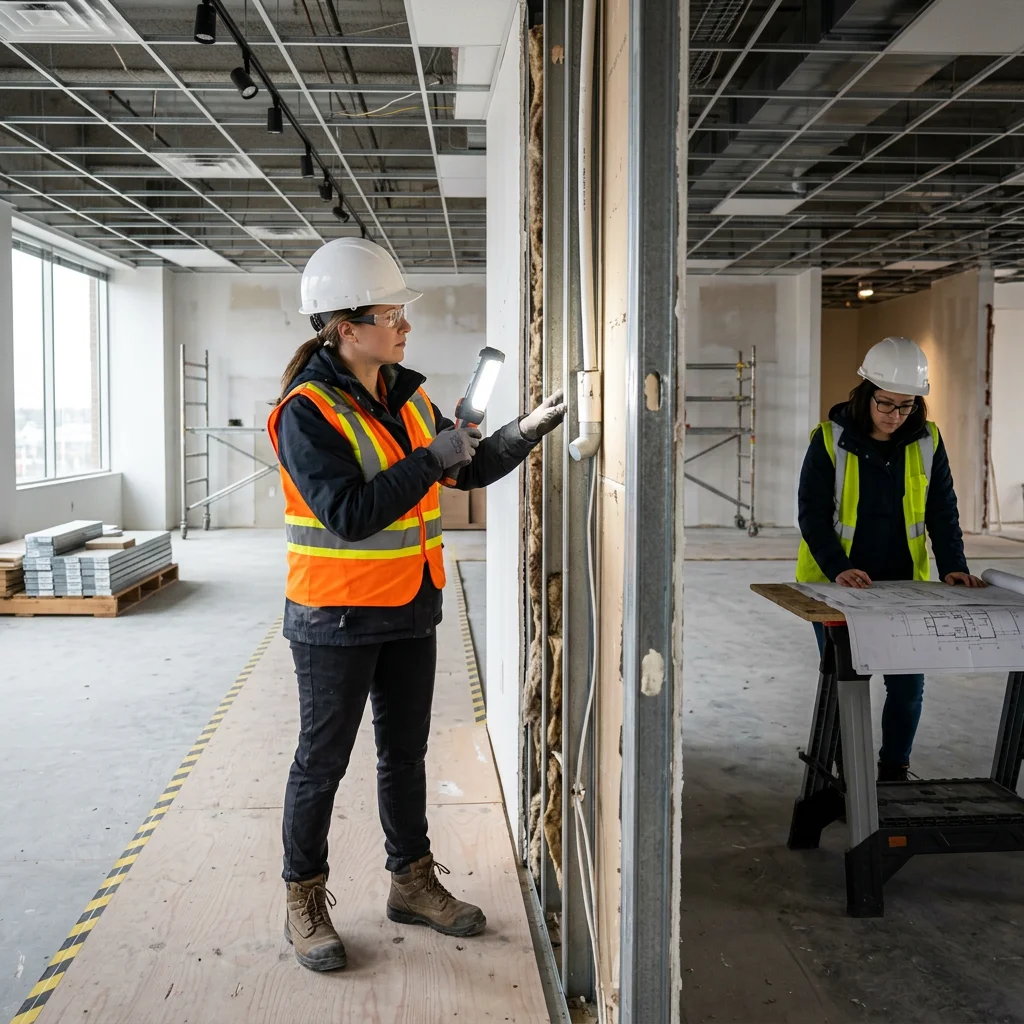
Selective demolition must protect structural elements, finishes, mechanical systems, and occupied areas scheduled to remain. Poor sequencing can damage those conditions or leave the next trade without safe, usable access.
When areas or systems must remain in service, careful dismantling allows crews to remove targeted materials while limiting vibration, dust, impact, and damage to adjacent construction.
A qualified demolition contractor coordinates with the general contractor, engineer, and construction trades before work begins. The contract should identify whether a professional demolition contractor, licensed contractor, or another responsible party controls temporary support, protection, inspections, and handoff.
4. Stronger Permitting and Code Coordination
Demolition permits may require municipal notifications, utility shutoff confirmations, inspections, waste records, and compliance with environmental regulations. Experienced project leaders map the municipality’s permits and notification processes and local zoning laws before mobilization rather than responding after work is delayed.
Depending on the project’s jurisdiction and scope, environmental obligations may also include requirements to protect regulated plant and animal habitats. A knowledgeable demolition team verifies which provisions apply to waste handling, site protection, reporting, and remediation.
Local knowledge can improve planning because requirements for permits, hauling routes for hauling trucks, and disposal facilities vary by jurisdiction, whether the project is in Calgary or Pittsburgh. A team familiar with the area can also anticipate neighborhood access constraints, seasonal conditions, and agency expectations.
In South Florida, temporary protection and reconstruction planning require expertise in navigating South Florida’s strict hurricane-resistant building codes and coastal regulations. The current Florida Building Code should guide applicable rebuilding decisions.
5. Equipment and Methods Matched to the Scope
Manual demolition offers precision around construction materials that must remain, while mechanical demolition can accelerate removal in accessible areas. Deconstruction prioritizes careful separation for reuse or recovery, and larger projects may require specialized machinery like a pusher arm or even robotic equipment in areas with limited access.
The appropriate method depends on structural conditions, building size, access, neighboring properties, noise bylaws, and preservation requirements. Equipment capacity alone does not determine whether a method is suitable. For example, methods like thermal lancing may be considered for specific structural cutting by qualified specialists under appropriate safety controls.
Commercial construction expertise helps the team evaluate building size and complexity alongside access, structural conditions, occupancy, and surrounding properties before selecting equipment and methods.
6. Less Disruption to Tenants, Visitors, and Operations
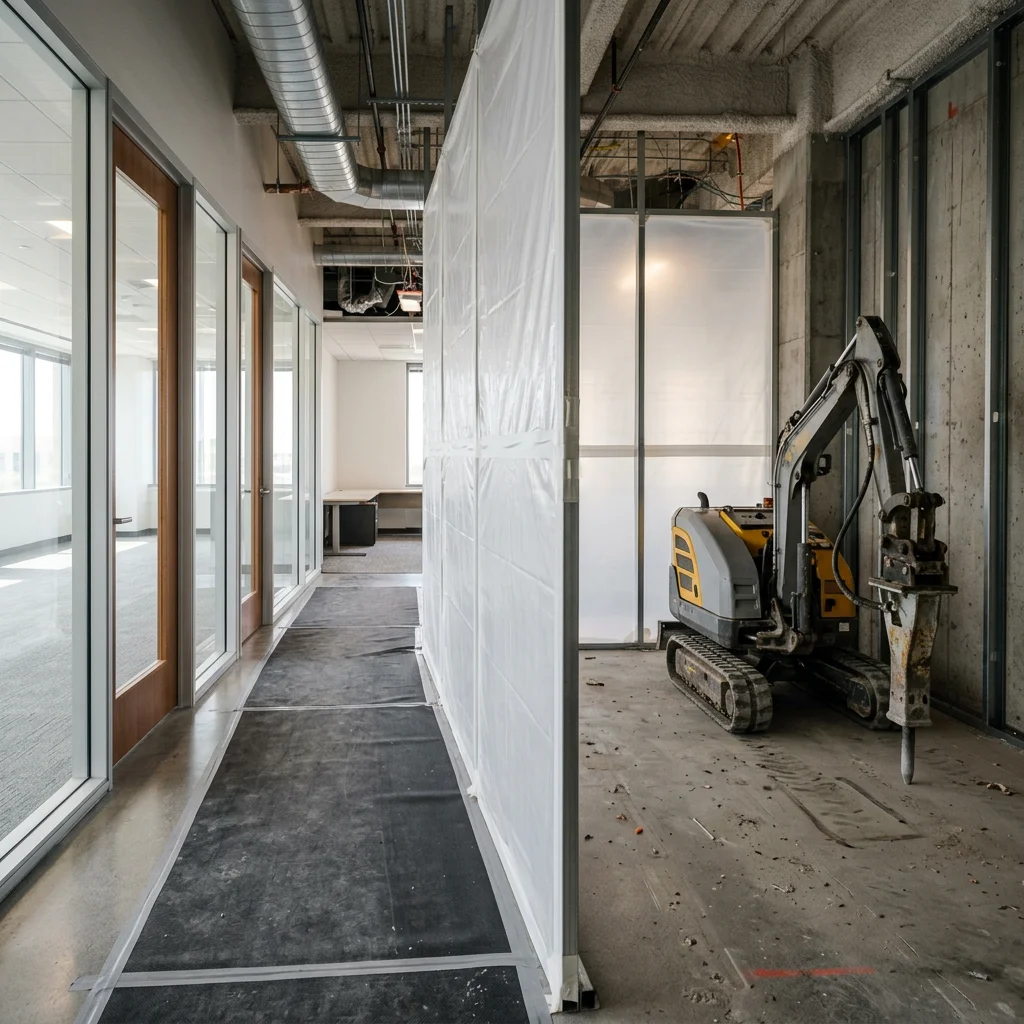
Occupied schools, offices, retail spaces, houses of worship, and multifamily common areas require phased execution. Fencing, protective barriers, dust control systems, safe public access routes, and scheduled shutdowns help separate work from daily operations.
Effective noise and dust control also depends on communication protocols and reliable site communications. Bluetooth-connected equipment may support some local updates, but the project needs communication methods suited to its range, conditions, and emergency procedures. Stakeholders should know which entrances are open, when disruptive work will occur, and who will issue updates when field conditions change.
7. Clearer Cost Control and Responsible Material Handling
A written estimate should define inclusions, exclusions, allowances, hauling, disposal, recycling, and procedures for unknown factors. Systems-driven project management makes those assumptions visible before they become schedule disruptions, supporting transparent budget control and documented handling of change orders.
The plan should address waste management, hazardous chemicals, regulated debris, and material recovery and recycling. Hauling tickets, inspection records, and disposal documentation create a traceable basis for budget and compliance review.
Hazardous-material planning should also account for underground storage tanks and mercury in older building components. Suspect items should be identified, isolated, removed by trained personnel, and managed through approved handling and disposal channels.
How to Evaluate a Commercial Demolition Team
Compare teams through a structured selection matrix based on written evidence rather than broad assurances. Request a detailed scope, schedule, safety plan, permit responsibility matrix, proof of financial abilities, comparable references and reviews, and communication procedures.
Relevant experience should match the property type, occupancy restrictions, demolition scope, and planned reconstruction. Project managers who understand permitting and compliance can identify dependencies early, reducing exposure to project delays.
Verify Qualifications, Coverage, and Site Leadership
Confirm licensing appropriate to the work, workers’ compensation, liability coverage, and current insurance policies. Ask whether certified professionals, union workers where applicable, certified equipment operators, and designated safety leaders will be assigned to the site.
Identify who manages daily coordination and who can stop work when conditions depart from the plan. Decision authority matters when a wall proves unstable, a utility remains active, or concealed materials appear.
Review the Plan Before Comparing Prices
Compare means and methods, sequencing, temporary protection, disposal assumptions, schedule, and closeout requirements before comparing totals. Plans involving heavy machinery should explain access, loading, movement zones, and protection of nearby sidewalks and structures.
Flag vague allowances or missing responsibility for permits, temporary supports, utility coordination, and testing and purging of lines. These omissions can shift substantial costs after the contract is signed.
A Practical Commercial Demolition Workflow
A disciplined workflow moves from investigation through a documented handoff, supporting on-time, on-budget delivery powered by systems-driven project management. It also accounts for equipment hazards, unexploded cartridges in specialized industrial settings, and workers falling through wall openings.
Assess Conditions and Define the Scope
Begin with a site assessment, utility investigation, access review, hazardous-material evaluation, and the required engineering survey before demolition. The site evaluation should document retained areas and define the full scope of removal or site clearing.
Where drawings are incomplete, GPR scanning can help investigate embedded conduits, reinforcing steel, post-tensioned concrete, voids, and other hidden conditions. Scanning does not conclusively identify every condition or establish that a tendon is ungrouted. The findings should be reviewed by qualified project and engineering personnel and incorporated into the demolition plan, with additional investigation where needed.
Operational constraints also belong in the scope. Access hours, loading restrictions, inspections, and planned downtime affect labor, equipment, and sequencing.
Plan Permits, Protection, and Sequencing
Set milestones for permits, inspections, shutdowns, fencing, dust controls, emergency response plans, and tenant communication. Sequence removal around structural dependencies and the requirements of the next construction trade.
Commercial demolition planning should also identify first aid resources, trained responders, emergency contact procedures, and access for Emergency Medical Services.
For occupied or fire-sensitive commercial properties, the project documentation should include a fire prevention and evacuation plan. It should identify ignition sources, combustible materials, hot-work controls, alarm status, emergency exits, and procedures to prevent a flash fire.
The hazard plan must address gases, flammable contents, and other stored materials before cutting or dismantling begins. A thorough job hazard analysis is essential before any specialized authorization or explosives are considered. Explosive demolition requires qualified specialists, applicable authorizations, and a separately engineered plan; it is not a routine interior renovation method.
Execute, Document, and Hand Off a Ready Site
Daily records should track safety reviews, falling debris controls, hauling, recycling, unforeseen conditions, and inspection results. Changed conditions should trigger documented review and approval rather than informal field changes.
Closeout may include debris removal, site grading to ensure proper drainage conditions, final records, site restoration, and confirmation that retained systems remain protected. The goal is a site prepared for the next trade.

Common Mistakes That Create Avoidable Demolition Risk
Treating full and selective demolition as interchangeable is a costly mistake. Other warning signs include:
- Starting without verified utility status or required hazardous-material testing.
- Ignoring soil conditions, concealed deterioration, or procedures for unknown conditions.
- Overlooking emergency access, visitor routes, noise, dust, and tenant communication.
- Failing to assign responsibility for regulatory compliance and inspections.
- Selecting solely on price despite scope gaps that could cause property damage, delays, or change orders.
Frequently Asked Questions
These answers clarify the roles and demands involved in professional commercial demolition.
What Does a Demolition Expert Do?
A demolition expert evaluates site conditions, chooses safe removal methods, coordinates permits and utilities, and controls structural and environmental hazards. The role also includes debris management, documentation, and preparation for the property’s next use.
What Are Demolition Experts Called?
Common titles include demolition contractor, demolition specialist, demolition project manager, and qualified demolition professional. If explosives are used, they may be called a blaster.
Is Demolition a Hard Trade?
Yes, demolition requires physical skill, structural judgment, equipment knowledge, and constant hazard awareness. Conditions can change rapidly, so workers must follow strict procedures and communicate emerging risks immediately.
Key Takeaway: Choose Demolition Expertise That Supports What Comes Next
Commercial construction expertise strengthens coordination with construction teams, OSHA safety standards, permitting, sequencing, and budget control. Evaluate documented planning, relevant experience, payment terms, and controls for falling and flammable materials so demolition supports a compliant, orderly transition into rebuilding.

About the Author
Matan DayanBooster Construction
Matan Dayan contributes practical articles for Booster Construction on commercial construction planning, renovations, permitting, building safety, and project delivery across South Florida.