Build a Miami commercial exterior painting budget around measured wall area, surface repairs, coating systems, access equipment, and occupied-building logistics.
Start With Paintable Wall Area, Not Interior Floor Area
A repainting budget can change substantially once wall repairs and access equipment enter the scope. To estimate commercial exterior painting costs accurately in Miami, start with paintable wall square footage, not interior floor area. Commercial building exterior painting involves substrate diagnostics, access planning, and building-envelope protection—far removed from DIY painting or a simple residential repaint.
This guide explains cost drivers, comparable bids, and allowances for coastal properties, using Booster Construction’s commercial project-management perspective.
What a Miami Commercial Exterior Painting Budget Includes
Comprehensive commercial exterior painting costs encompass surface preparation, coatings, labor, property protection, equipment rental, daily cleanup, site restoration, debris disposal, environmental fees, permit and inspection fees where applicable, and applicable tax. A complete specification should define the paint type, brand and color, sheen—whether flat, satin, or semi-gloss—along with priming, number of coats, and the scope for doors, window trim, soffits, and railings.
Treat early numbers as planning allowances until an on-site walkthrough or formal site visit confirms elevation height, substrate moisture, and accessibility. Measured quantities and coverage calculations prevent over-buying materials while supporting the specified dry-film thickness.
Use Square Footage as a Starting Point, Not a Final Price
To calculate exterior wall area, multiply each wall length by its height, subtract doors and windows as appropriate to the estimating method, and add parapets and architectural projections. Account separately for trim and other detailed surfaces. Surface texture, chalking, painted logos, murals, porosity, and existing epoxy finishes all alter preparation and coverage requirements.
Open, sound walls allow faster application than detailed or deteriorated façades. Intensive surface preparation, protection, and access setup frequently outweigh application speed, making bare unit prices or a simple flat-rate fee misleading.
Plan for a Wider Range on Larger or Taller Properties
Generic nationwide prices and total-project averages cannot establish a reliable Miami budget on their own. For preliminary scenario testing, a range such as $2.00–$5.00 or more per square foot of paintable wall area can illustrate budget sensitivity; it is not a verified local market rate, a Booster Construction quote, or a ceiling on project cost. Obtain current, site-specific proposals before committing funds.
For 10,000 square feet of paintable walls, that illustrative range produces $20,000–$50,000 or more before any separately excluded allowances. Each $1 difference in the installed rate shifts the total by $10,000. A building with 10,000 square feet of interior floor area requires separate exterior wall measurements driven by its height, geometry, and building type.
Murals, hazardous-material handling and disposal, siding replacement, and large-hole repairs require separate allowances unless the proposal expressly includes them.
The Main Factors That Change Exterior Painting Costs
Group project costs into surface condition, coatings, access, operating restrictions, and regulatory compliance. Itemized allowances and clear exclusions expose repair risks before mobilization begins.
Salt air, UV exposure, coastal humidity, weather exposure, and wind-driven rain make thorough preparation central to durability in high-humidity climates. Do not assume reflective or light-colored coatings, or a color shift alone, will materially reduce cooling costs.
Surface Preparation and Repairs
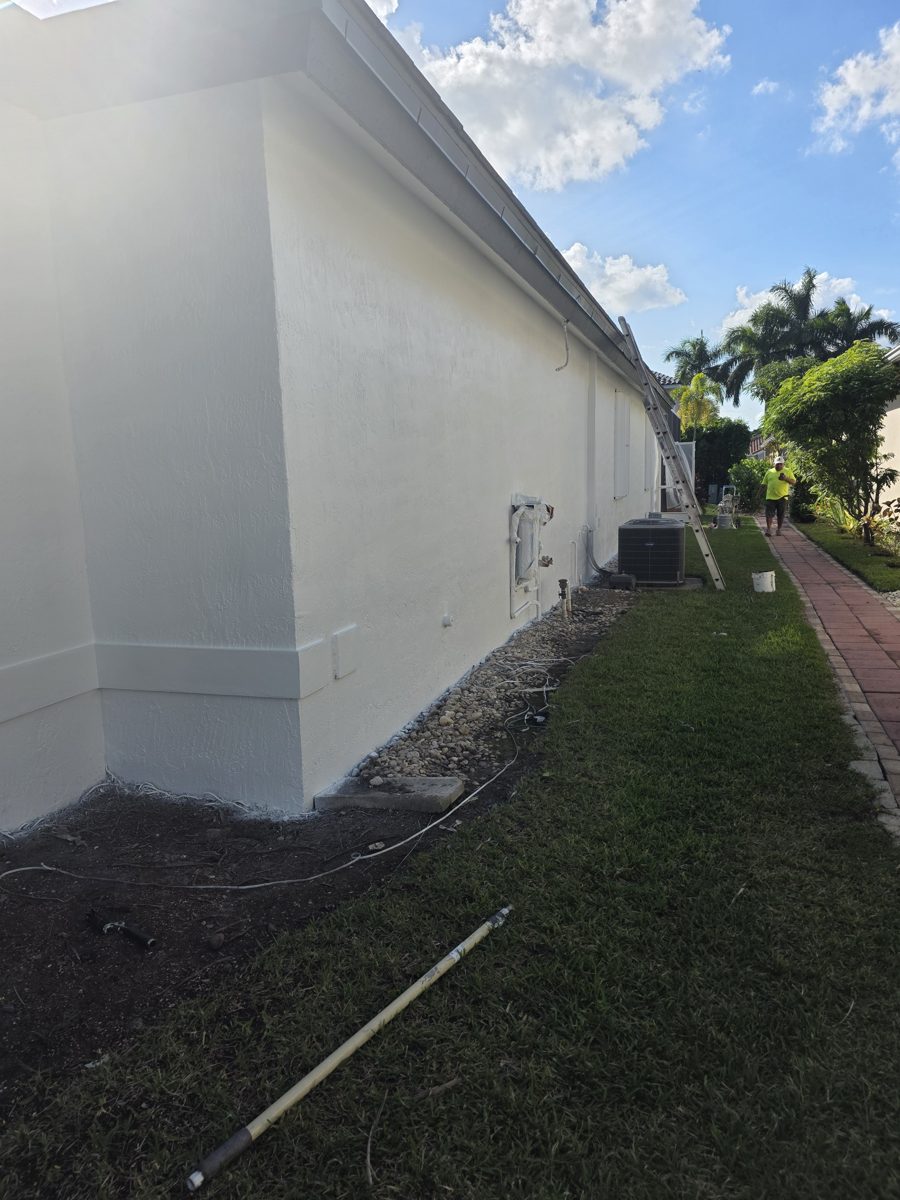
Budget for pressure washing, scraping, sanding, caulking, crack repair, patching with defined allowances for stucco areas, masonry repair, targeted corrosion and rust treatment, priming, and full sealant replacement quantified by linear feet.
Resolve peeling, mildew, mold, efflorescence, lost adhesion, moisture staining, water damage, water intrusion, failed sealant joints, and active leaks before applying finish coats. Underlying structural issues, structural movement, and substrate failure must be corrected before coating. Concealed damage should be priced through documented unit prices and a transparent change-order process.
Coatings, Primers, and Number of Coats
Standard exterior acrylic coatings suit many sound commercial façades. High-build elastomeric or masonry systems, waterproof coatings, anti-graffiti coatings, fire-resistant finishes, and specialty coatings for metal details require substrate-specific selection. Product names and marketing categories alone do not establish suitability; review the current manufacturer’s technical data and the specified assembly.
Wall porosity, dramatic color changes, bonding primer, masonry primer, rust-inhibitive primer, mildew-resistant primers, and the required coat count directly impact material volume and labor hours. A two-coat specification should state the required coverage and film thickness rather than relying only on the number of passes.
Specify compatible systems for stucco, concrete block, brick, metal, and trim, with the appropriate resistance to UV, moisture, and thermal movement. Follow product requirements for surface moisture, ambient temperature, drying, and safe handling of solvents where specialty primers or industrial coatings are required.
Height, Access, and Site Logistics
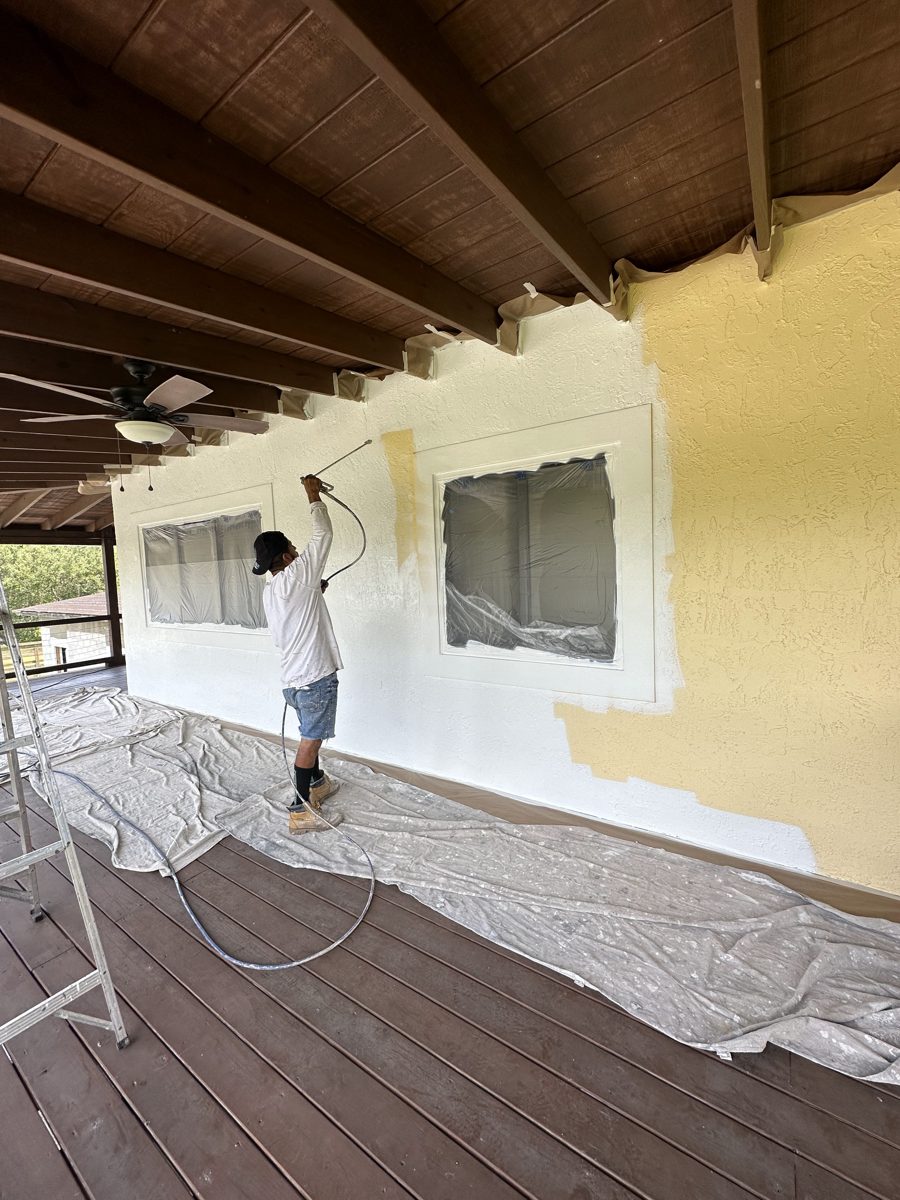
Aerial lifts, scaffolding, swing stages, required fall-protection systems, traffic control, ground spotters, mobilization, moving equipment, and daily setup and breakdown add substantial costs beyond standard painting labor.
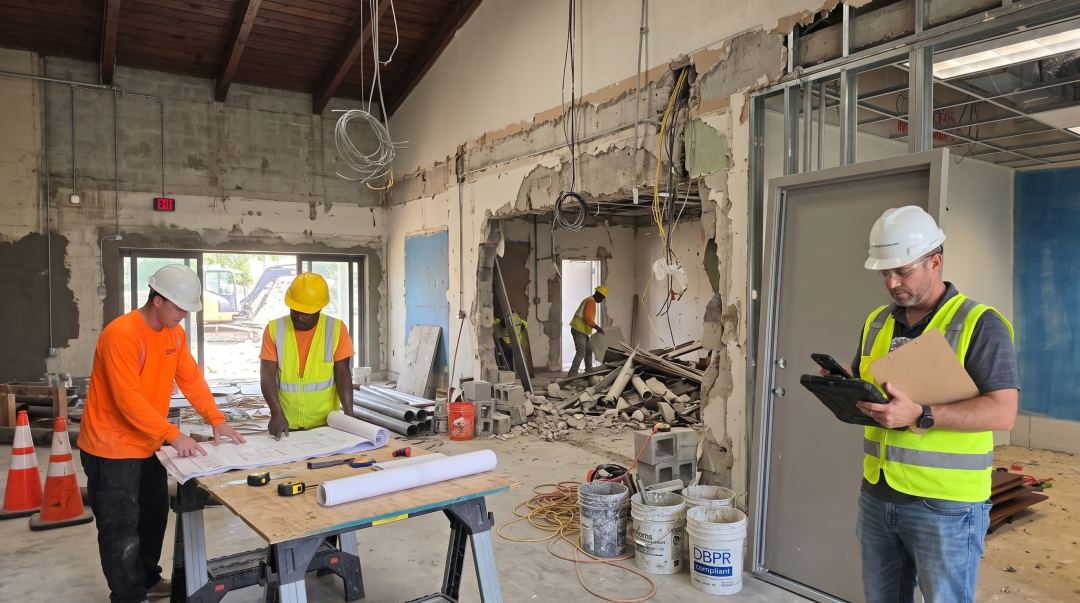
Crews must maintain accessible entrances, clear obstacles, protect signs, and safeguard windows, cars, and landscaping. Tight setbacks and restricted staging can make multi-story elevations significantly more expensive than open single-story walls. Do not assume a fresh exterior coat will automatically reduce property insurance premiums.
Occupied-Building Scheduling
Phased scheduling, detailed masking, controlled spray areas, overspray containment, noise limits, and minimizing business disruption all influence total labor hours.
After-hours work, a compressed completion window, off-season timing, supplier lead times, and weather delays also shift pricing. Windy and wet weather can restrict application, while humidity affects drying. Align the work sequence with tenants, visitors, school calendars, or retail hours before finalizing bids.
How to Build a Defensible Painting Estimate
The building owner and property manager should collect at least three estimates based on the same written scope so they can compare itemized proposals side by side rather than relying on vague lump sums or premature fixed-price contracts. Confirm contractor availability, separate primer costs from substrate repair allowances, verify commercial references, and explore volume agreements or repeat-business terms when overseeing multiple facilities.
Booster Construction’s systems-driven approach emphasizes transparent scope control when exterior painting overlaps waterproofing, façade restoration, or capital renovation.
Document the Existing Conditions
Gather building plans, façade elevations, leak histories, past repair records, and site operating restrictions. Document building type and surface type, then verify wall measurements, drainage patterns, access routes, and staging zones on site.
Establish progress photos, formal inspection milestones, scheduled touch-ups, and structured punch-list procedures to verify completed work before final sign-off.
Specify the Scope Before Comparing Bids
Define preparation standards, repair thresholds, manufacturer product data sheets for primers and topcoats, number of coats, colors, sheen, workmanship warranty terms, and daily cleanup. Clearly list exclusions, alternates, repair allowances, disposal, tax, equipment, permits where applicable, and additional insurance riders.
Establish in writing how newly uncovered substrate damage will be measured, photographed, priced, and authorized.
- Use the same measured quantities and elevations for every bidder.
- Compare preparation and repair limits, not just the finish-coat price.
- Identify equipment, staging, protection, and occupied-site restrictions.
- State coating systems, application requirements, and inspection milestones.
- Separate allowances and exclusions from the base scope.
- Agree on change-order authorization and closeout documentation.
Review Compliance and Product Requirements
Verify the contractor’s active licensing or registration required for the actual scope, general liability coverage, workers’ compensation coverage or lawful exemption, certificates of insurance, documented safety training, and applicable OSHA requirements for fall protection and aerial lift operation. Review a relevant commercial portfolio on comparable South Florida structures.
Confirm local building-code requirements, permits, environmental regulations, and historic-designation rules with the authority having jurisdiction. Painting alone may be permit-exempt in some jurisdictions, but related repairs, access installations, historic properties, or other agency requirements can change the approval path. Do not assume Miami-Dade product approval applies to ordinary paint; verify approvals where the specified envelope product or assembly requires them.
For covered work disturbing painted surfaces in pre-1978 housing or child-occupied facilities, the EPA Renovation, Repair and Painting Rule can require certified firms and certified renovators using lead-safe practices. Applicability and exceptions depend on the property and work; ordinary commercial premises are not automatically covered solely because of age. Other worker-protection or waste requirements may still apply.
Example Budget Scenarios for Miami Properties
These scenarios illustrate relative cost drivers rather than fixed pricing. Site accessibility and widespread peeling can create larger cost swings than building size alone, and concrete block repairs should follow a defined change-order process.
Low-Rise Retail or Office Building
Sound stucco or concrete block, limited priming where appropriate, straightforward masking, and standard exterior acrylic generally yield a more predictable scope. Storefront protection, signage coordination, doors, trim, clearing obstacles, crew size, and after-hours work typically drive incremental costs.
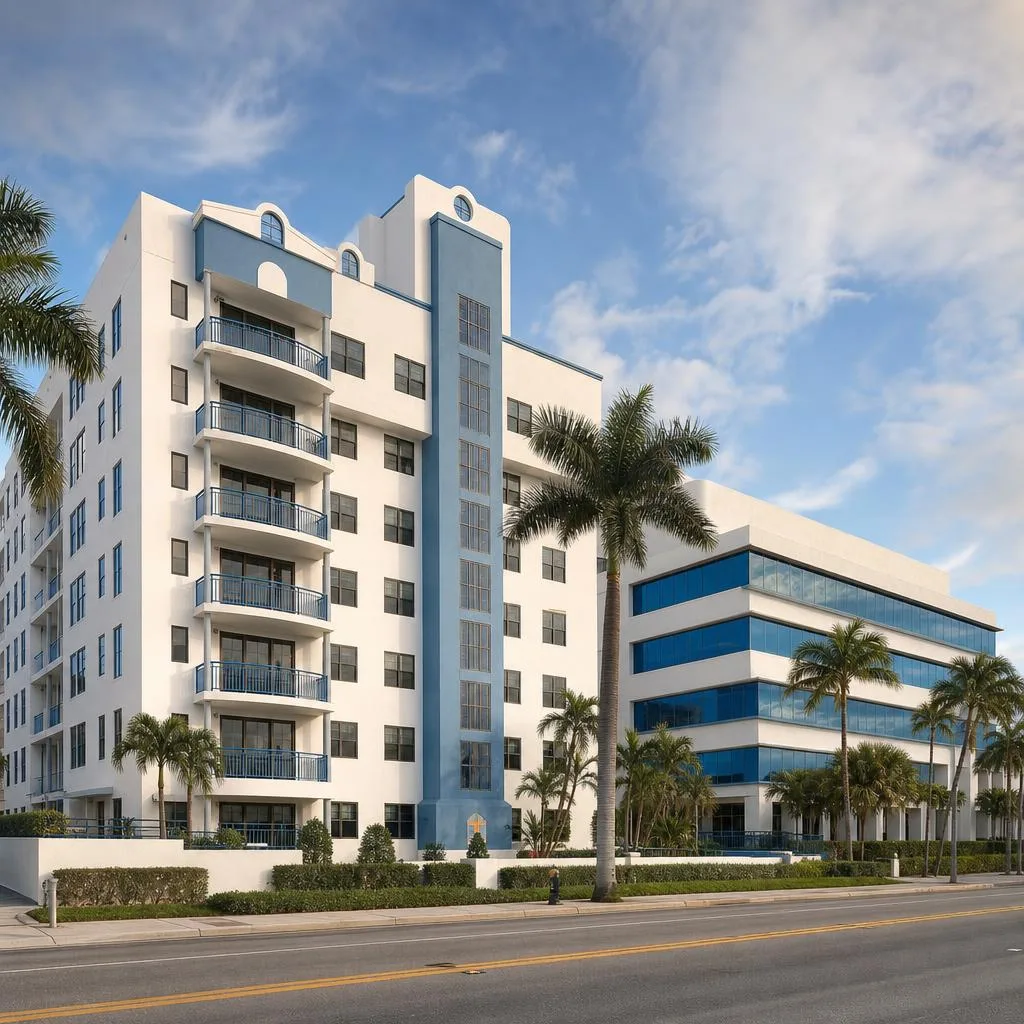
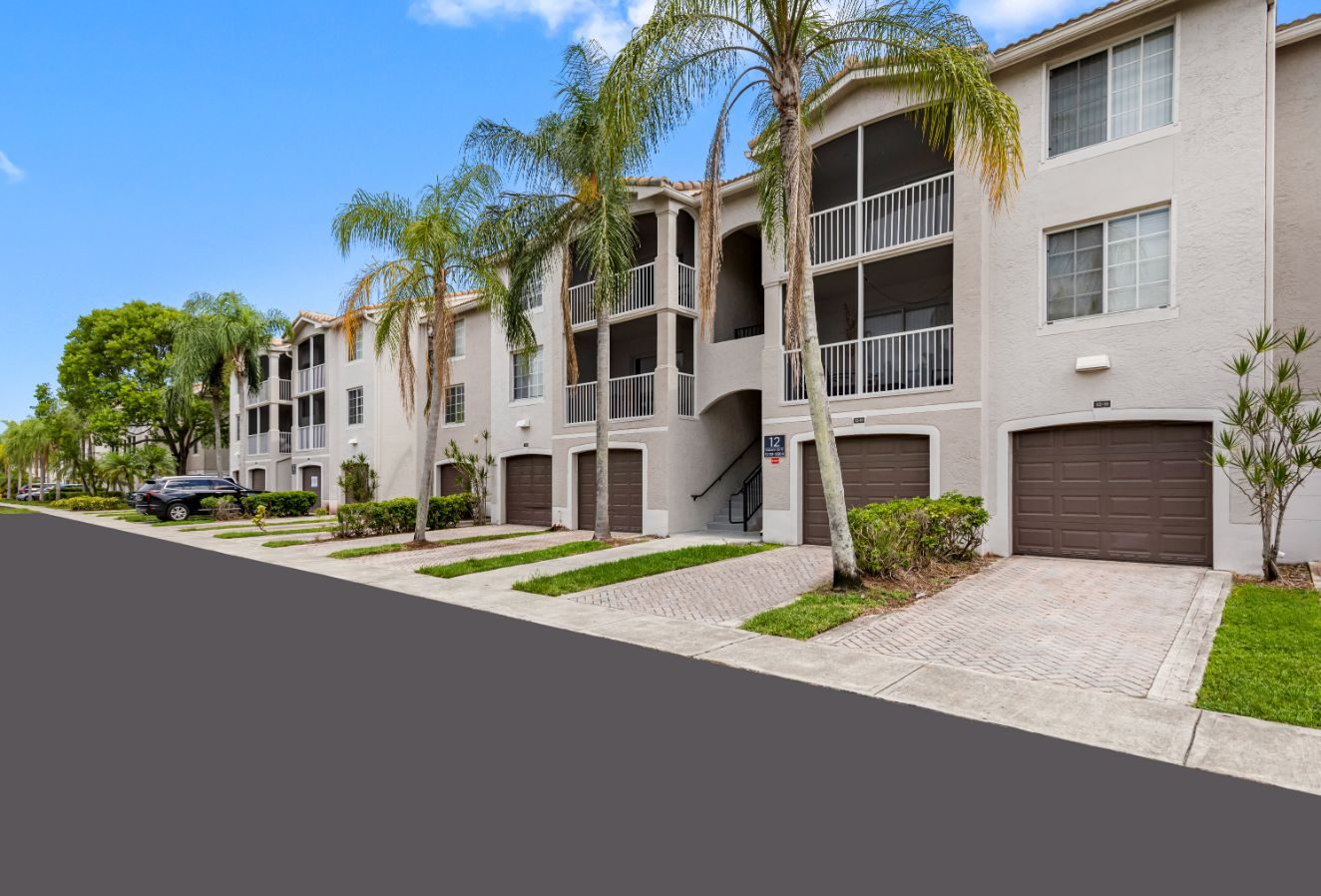
Multi-Story HOA or Institutional Building
Aerial lifts, heavy scraping, extensive caulking, moisture remediation, and phased scheduling increase both project costs and disruption. Establish the color approval method and custom color-matching protocols before ordering coatings.
Evaluate crack-bridging or waterproof coatings only after thoroughly assessing substrate integrity and moisture readings. Coatings are not substitutes for structural repair or correction of an active leak.
Common Budgeting Mistakes to Avoid
Do not compare low unit prices without verifying identical preparation, repair allowances, access equipment, and coating specifications. Reject vague bids lacking product data, coat counts, repair limits, protection protocols, and change-order terms.
Coating over mold, mildew, failed sealant joints, or deteriorated substrates does not solve the underlying issue. Mold and mildew inhibitors cannot replace thorough cleaning and moisture correction. High humidity, sudden rain, and coastal winds also govern surface readiness, drying, and schedule reliability.
Focus on Installed Lifecycle Value
Evaluate coating compatibility, surface preparation depth, repair scope, workmanship warranty terms, and long-term maintenance alongside upfront cost. Periodic inspections and prompt repair of hairline cracks, active leaks, and failed sealants protect the building envelope. Major color changes can influence future recoating cycles and coverage needs.
Commercial Exterior Painting Cost Questions
What is the average cost to paint an exterior commercial building?
Total costs depend on paintable wall area, elevation height, substrate repairs, access equipment, coating systems, and occupied-site scheduling. A site-specific, itemized estimate built from verified measurements is more reliable than a national benchmark or an isolated square-foot rate.
How much does it cost to paint a 2,000-square-foot exterior?
First clarify whether 2,000 square feet refers to interior floor area or measured exterior wall surface. Story height, architectural openings, surface preparation, and coating selection determine the actual budget.
How much does it cost to paint 10,000 square feet?
For 10,000 square feet of measured paintable wall surface, multiply the quoted installed rate by 10,000 and add separately priced repair or access allowances. Confirm whether aerial lifts, structural or masonry repairs, waterproofing, and phased scheduling are included before relying on that total.
How much does it cost to paint a 1,000-square-foot exterior?
Smaller commercial exteriors often carry higher effective unit costs because mobilization, surface protection, setup, and cleanup do not scale down proportionally. Substrate condition and equipment access still govern the final price.
Aligning Exterior Painting With Building-Envelope Maintenance
Commercial building exterior painting in Miami should be budgeted around measured paintable wall area, substrate condition, access requirements, compatible coating systems, and occupied-site logistics. Stucco, brick, metal, and concrete block demand suitable primers and finishes, backed by realistic allowances for concealed damage and scheduling flexibility.
Use preliminary budget ranges only for early capital planning, then approve a site-specific, itemized scope. In South Florida’s coastal climate, exterior painting belongs within long-term building-envelope maintenance rather than a standalone cosmetic budget.
Explore commercial exterior painting in South Florida, or contact Booster Construction to discuss your building, measured wall area, known repairs, and access requirements.

About the Author
Matan DayanBooster Construction
Matan Dayan contributes practical articles for Booster Construction on commercial construction planning, renovations, permitting, building safety, and project delivery across South Florida.