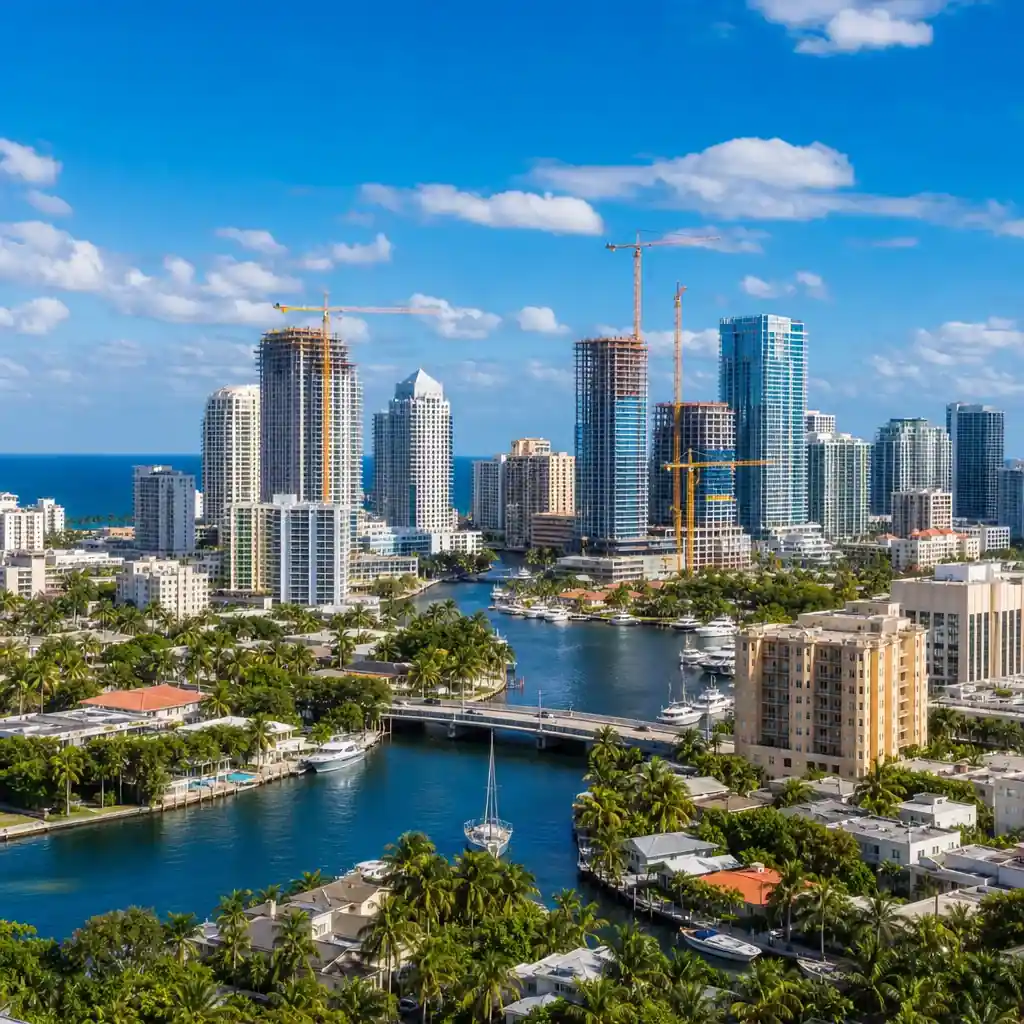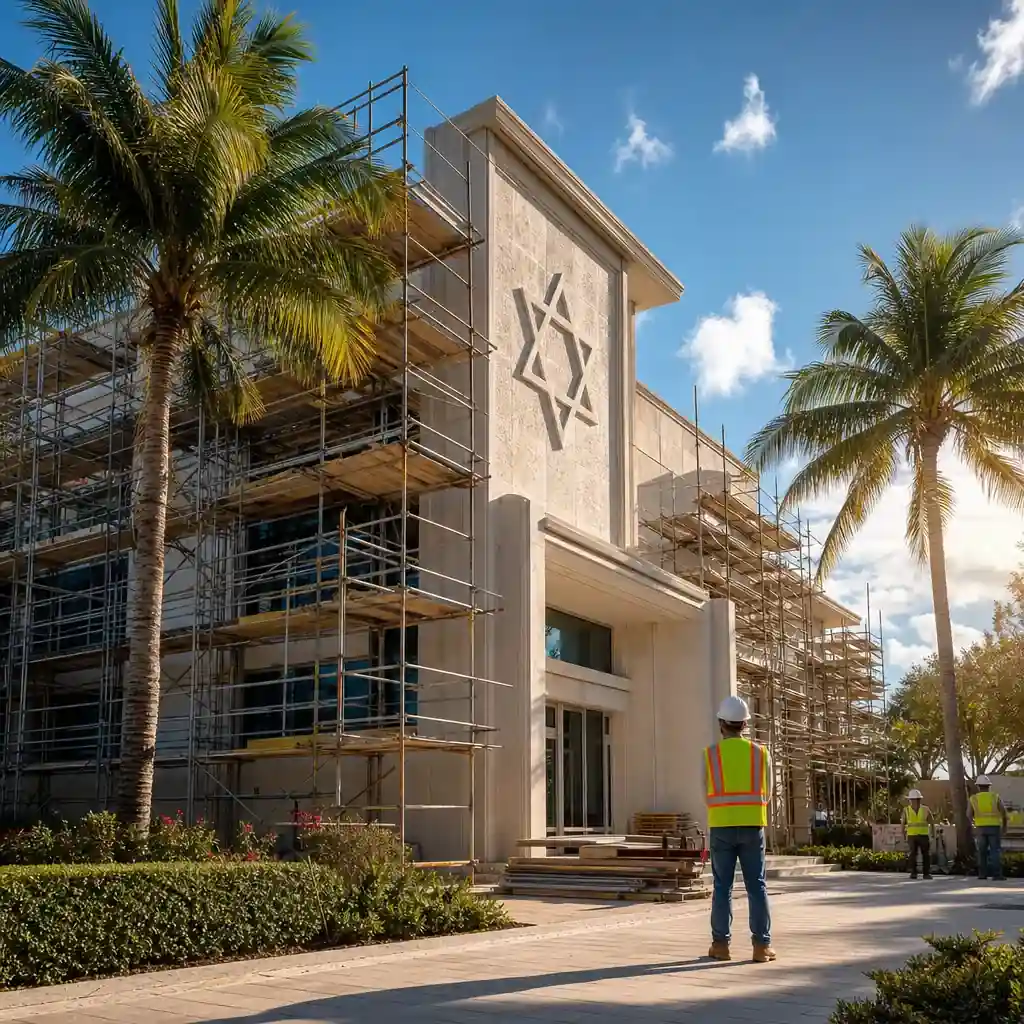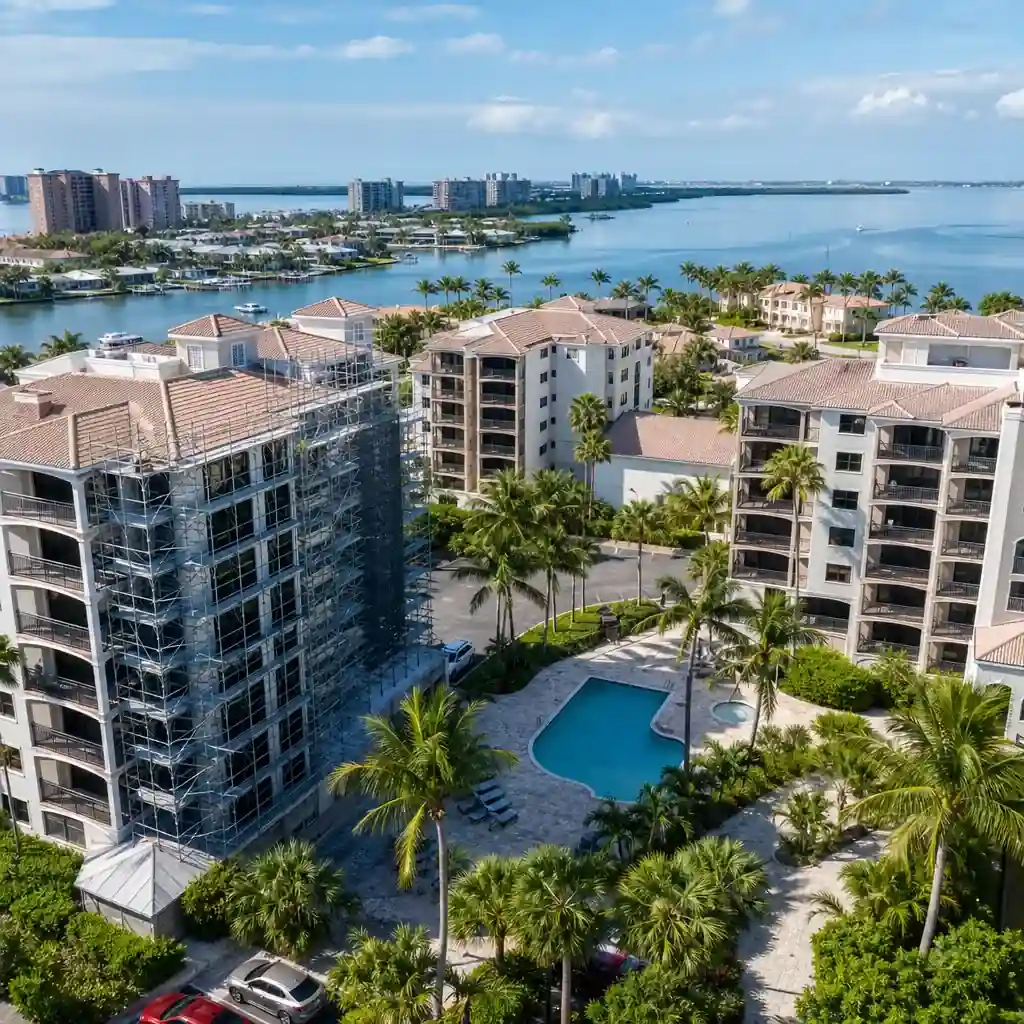
A complete guide for HOA boards and community managers: SIRS and milestone inspection mandates, HVHZ hurricane codes, occupied renovation logistics, OSHA silica dust control, Chapter 558 defect claims, and how to vet a construction partner.
TL;DR / Key Takeaways
The Core Answer: The best construction company for HOA communities in America operates with enterprise-level discipline, specializes exclusively in commercial or multi-family properties, and possesses deep, localized expertise in navigating strict regional building codes.
- Regulatory Compliance is Paramount: Modern homeowners’ associations face rigorous legal mandates, such as Structural Integrity Reserve Studies (SIRS) and milestone inspections. The chosen contractor must intimately understand these frameworks to ensure compliance and avoid severe liability.
- Occupied Renovations Require Specialized Logistics: Managing capital improvement projects in inhabited condominiums demands strict adherence to safety protocols, including mandatory OSHA dust control standards and meticulous project coordination to protect residents.
- Authority and Transparency Matter: Expertise, Experience, Authoritativeness, and Trustworthiness (E-E-A-T) are critical in this sector. Top-tier property management construction service companies provide transparent budget control with no hidden costs or change-order surprises.
- Local Expertise is Non-Negotiable: In high-risk regions prone to extreme weather, contractors must demonstrate expertise in navigating South Florida’s strict hurricane-resistant building codes and coastal regulations.
Introduction: The Evolving Landscape of HOA Construction in America
Selecting the best construction company for HOA communities in America requires a nuanced, highly technical understanding of commercial real estate, structural engineering, and legal compliance. Homeowners’ associations and condominium associations govern tens of millions of properties across the nation. These governing entities are fundamentally responsible for maintaining common elements, ensuring life safety, and executing incredibly complex capital improvement projects.
The demands placed on multi-family associations, community managers, and board members have grown exponentially in recent years. Aging infrastructure, particularly in dense coastal regions, has prompted sweeping legislative changes regarding structural integrity and long-term reserve funding. Consequently, board members can no longer rely on general residential construction providers for large-scale building maintenance or repair.
Instead, the modern environment demands specialized institutional construction service providers with hurricane-code expertise. These advanced firms blend the meticulous attention to detail required for luxury residential living with the robust risk mitigation protocols inherent to heavy commercial construction. From routine grounds maintenance to multi-million-dollar structural concrete restoration, the chosen general contractor must deliver exceptional quality craftsmanship while remaining strictly on budget.
This comprehensive report evaluates the key factors, regulatory requirements, and strategic considerations necessary for identifying the premier HOA and condominium renovation contractors in South Florida and across the broader American market.

Top 3 Construction Companies for HOA Communities
When evaluating the market for the best construction company for HOA communities, specific regional leaders consistently demonstrate the required operational discipline and technical acumen. The following listicle highlights three top-tier firms operating in America’s most stringently regulated construction market.
1. First Florida Construction — First Florida Construction stands as a premier entity for luxury condominiums and large-scale residential renovations. Operating extensively across Palm Beach County, Martin County, and Indian River Counties, this firm brings over 50 years of dedicated experience to the market. The organization is highly regarded for its developer partnerships and high-end white-box buildouts within luxury high-rises. First Florida Construction excels in managing the intricate logistics required by strict HOA regulatory requirements and contractor insurance mandates, and is particularly adept at occupied renovation, ensuring that residents experience minimal disruption while extensive upgrades are completed.
2. Booster Construction — Booster Construction is a highly specialized commercial general contractor offering enterprise-level operational discipline combined with deep commercial construction expertise. Based in the highly regulated South Florida market, the firm maintains a 100% exclusive focus on commercial and institutional construction projects. This singular focus ensures that their processes are entirely tailored to the needs of HOA communities, schools, and retail centers, rather than being diluted by single-family residential work. The company distinguishes itself through transparent budget control with no hidden costs or change-order surprises, and guarantees on-time, on-budget delivery powered by systems-driven project management. Their comprehensive offerings make them a leading choice for boards seeking to explore commercial lobby renovation services that modernize aging facilities, backed by profound expertise in navigating South Florida’s strict hurricane-resistant building codes and coastal regulations.
3. Overton Construction and Consulting — Overton Construction and Consulting specializes in large-scale occupied renovation and complex construction defect resolution. With over 25 years of industry longevity, the firm serves multi-family associations, commercial building owners, and legal entities across the state. Overton is particularly adept at guiding community managers through complex litigation and aggressive legislative mandates, such as those related to structural safety and the Florida Senate Bill 4-D framework, offering comprehensive reconstruction services, owner representation, and expert testimony for construction defect attorneys, with deep understanding of the Chapter 558 pre-suit notice process.
Note: The market also features several other licensed commercial general contractors in South Florida that serve this sector effectively. Firms such as FALKE HOA, Pereira Construction, GLK Construction Design & Build, JMK Contractor, and MG Florida Construction represent highly capable regional construction firms specializing in commercial renovations. These organizations collectively support the immense demand for structural compliance and modernization in the region.
Types of Construction Services for HOA Communities
HOA communities require a massive, diverse array of construction and maintenance services to preserve property values and ensure absolute resident safety. These services span the spectrum from minor preventative maintenance to massive, structurally critical overhauls.
Capital Improvement Projects — Capital improvement projects represent the most significant financial investments in a community’s infrastructure: complete roof replacements, structural building envelope waterproofing, and large-scale exterior painting initiatives. Unlike routine repairs, these projects drastically alter the lifespan and value of the property, frequently involving complex design-build contracts where architects, engineers, and the general contractor collaborate from inception. Effective execution relies on rigorous value-engineering to maximize return on investment without compromising material quality or structural integrity.
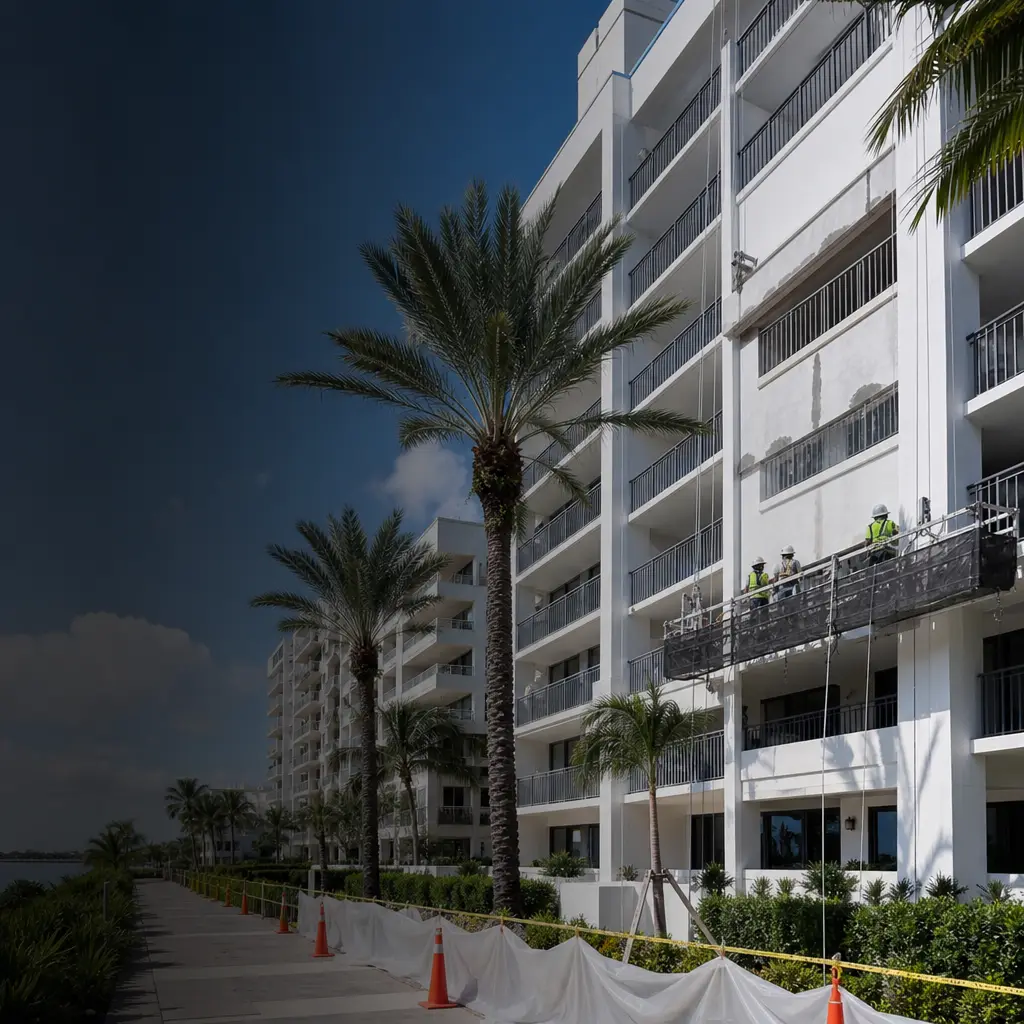
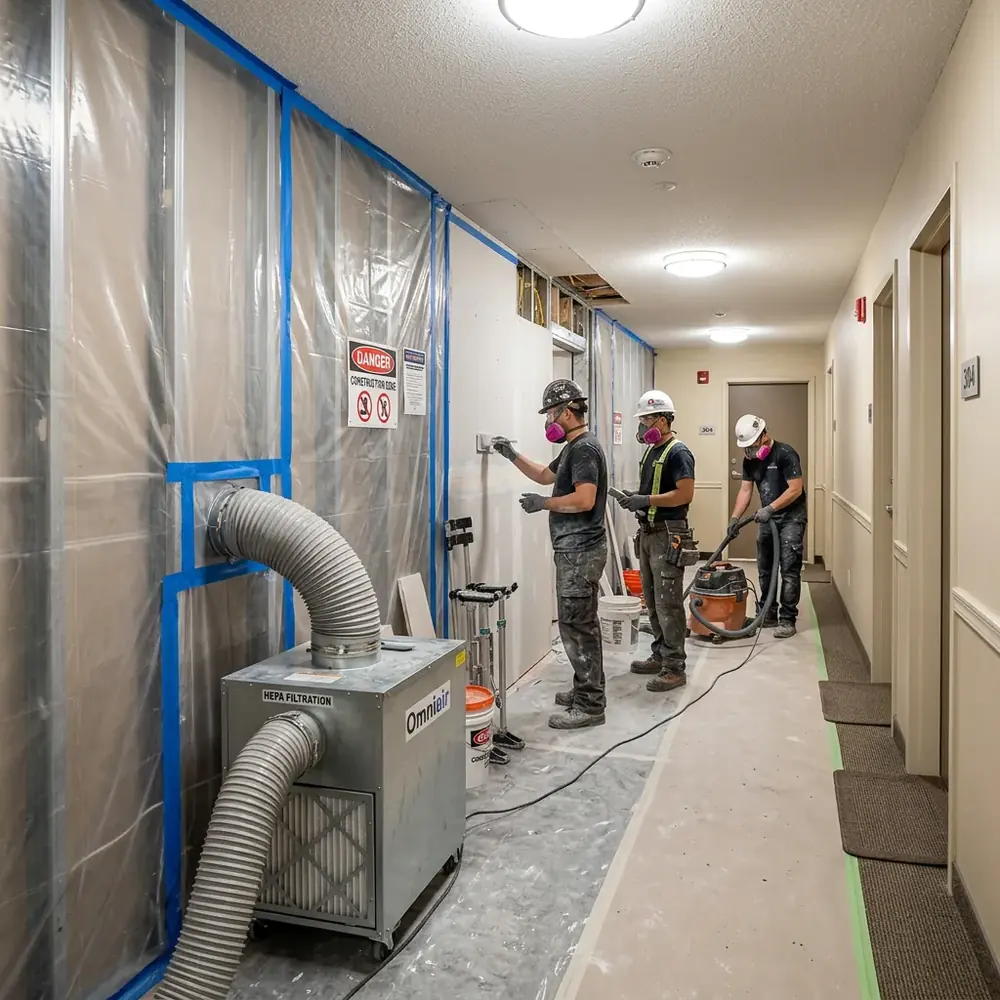
Occupied Renovation and Modernization — Occupied renovation is an exceptionally specialized service model: executing highly disruptive, noisy, and dusty construction work while residents remain actively living in the building. Dust control is a massive liability — contractors must establish continuous negative air pressure environments with HEPA filtration to isolate particulate matter from habitable zones. Boards routinely seek out specialized property management construction service companies to execute interior hallway updates, elevator modernization, and entryway overhauls without displacing the tenant base, with daily communication regarding utility shut-offs, elevator reservations, and noise ordinances.
Routine Maintenance and Trades — Day-to-day community management relies on reliable, licensed trade services: landscaping, plumbing, HVAC, electrical, and comprehensive handyman services. Proactive contractors perform regular property inspections to identify failing sealants, deteriorating wood, or malfunctioning irrigation systems — addressing issues promptly reduces the long-term financial burden on the association’s operating budget.
Emergency Services and Storm Damage Repairs — In regions highly prone to severe weather, immediate storm damage repairs are a critical necessity: temporary shoring for weakened structures, massive water extraction, and rapid building envelope stabilization after a hurricane event. Storm repairs demand aggressive action combined with forensic-level insurance documentation, working hand-in-hand with public adjusters, insurance carriers, and structural engineers.
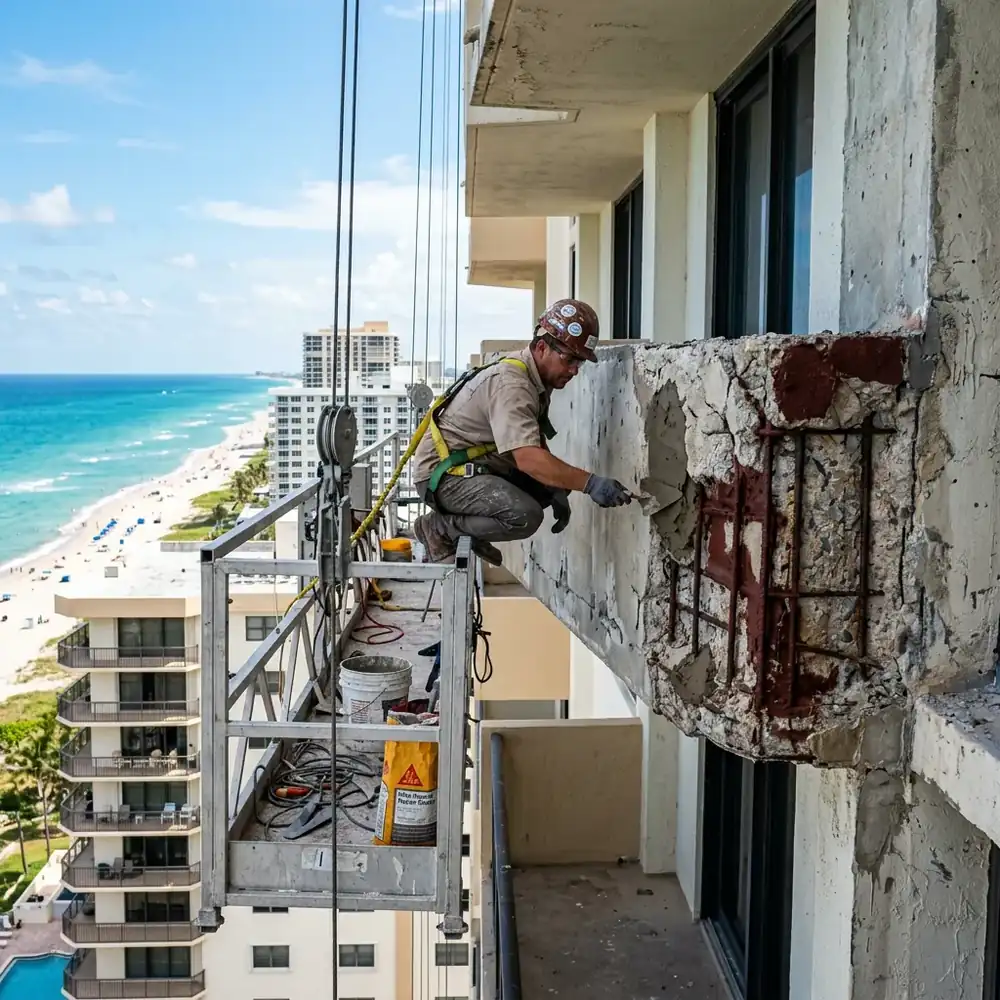
Structural Repairs and Defect Remediation — Construction defects and structural decay require highly specialized engineering intervention: foundation settlement, concrete balcony spalling, and systemic waterproofing failures. For older buildings, this often involves extreme concrete restoration — removal of chloride-contaminated concrete, treatment or replacement of corroded reinforcing steel, and application of migrating corrosion inhibitors. Boards navigating these challenges frequently seek structural concrete restoration solutions to ensure their facilities pass mandated municipal safety inspections.
Key Factors When Choosing an HOA Construction Company
Selecting the right general contractor requires a rigorous, multi-tiered vetting process. Board members, community managers, and owner representatives must evaluate candidates based on their technical capabilities, financial transparency, and encyclopedic regulatory knowledge.
Navigating Regulatory Requirements and Local Building Codes — The ideal contractor must possess an absolute mastery of local building codes and complex regulatory requirements. In high-risk coastal environments, this translates to profound expertise in navigating South Florida’s strict hurricane-resistant building codes and coastal regulations. Building codes are not static; they evolve constantly in response to new material science and post-disaster engineering studies. A top-tier construction company anticipates these changes, employing dedicated compliance officers who ensure every installed component — from impact windows to roofing membranes — carries the proper state or county product approvals.
Financial Transparency and Budget Management — Financial integrity is the absolute cornerstone of a successful HOA construction project. The best firms guarantee transparent budget control with no hidden costs or change-order surprises. Effective budget management protects the association from the devastating impact of unexpected special assessments. Reputable contractors utilize advanced estimating software, rely on historical cost data for realistic allowances, and actively engage in risk mitigation during pre-construction — identifying potential supply chain delays or material cost escalations before the contract is signed.
Project Coordination and Timely Delivery — Construction management in an active HOA setting is logistically monumental, requiring meticulous coordination of consulting engineers, registered architects, specialized subcontractors, and daily building staff. Timely delivery minimizes disruption to residents and reduces the project’s risk profile; expert timeline management involves critical path method (CPM) scheduling and strict accountability protocols for all subordinate trades.
Experience with Property Management Firms — Top-tier contractors intimately understand the dynamics of working alongside large property management firms, frequently collaborating with entities like FirstService Residential and Associa Florida on multi-year, community-wide initiatives. Institutional managers demand real-time reporting, impeccably formatted daily logs, and lien releases submitted with every pay application. A contractor unaccustomed to this level of administrative rigor will inevitably delay the project.
Owner Representation and Risk Mitigation — Many volunteer HOA boards lack the technical engineering expertise required to oversee major renovations. Highly qualified contractors or specialized third-party consultants provide essential owner representation: aggressive risk mitigation, intense quality control oversight, and continuous value-engineering. The owner representative acts as the board’s technical translator, reviewing change orders, verifying subcontractor installations, and ensuring the final delivered project matches the architectural specifications perfectly.
Benefits of Hiring an Expert HOA Contractor
Partnering with a specialized, expert construction company yields highly measurable, long-term benefits for homeowners’ associations — advantages that directly impact the financial health, legal standing, and insurance eligibility of the community.
- Enhanced Quality Craftsmanship: Expert commercial contractors exclusively employ highly skilled, certified tradespeople and utilize premium, commercial-grade materials. Elite contractors secure extended manufacturer warranties (often 15 to 20 years for roofing and waterproofing), providing the board with decades of financial peace of mind.
- Superior Communication and Transparency: Communication is universally cited as the most critical factor in resident satisfaction during a disruptive capital project. Elite contractors establish crystal-clear channels with the board, management team, and residents — often via digital portals with weekly updates, progress photos, and interactive timelines.
- Strict Compliance and Liability Protection: Expert contractors ensure all work complies perfectly with the latest engineering statutes, protecting the volunteer board from devastating claims of negligence or breach of fiduciary duty. For a deeper understanding of these market dynamics, read our comprehensive guide to commercial construction.
Safety Considerations and American Construction Standards
Safety protocols and stringent regulatory compliance form the absolute bedrock of modern HOA construction. American engineering and safety standards are incredibly rigorous, and failing to adhere to them can result in catastrophic structural failures, severe legal penalties, and the immediate loss of D&O (Directors and Officers) insurance coverage for board members.
OSHA Silica Dust Control (29 CFR 1926.1153) — Occupied renovations require aggressive environmental controls. OSHA strictly regulates exposure to respirable crystalline silica under 29 CFR 1926.1153. Contractors cutting, grinding, shot-blasting, or drilling concrete must deploy HEPA-filtered vacuums attached directly to power tools and utilize wet-cutting methods to keep airborne dust exposure strictly below the Action Level of 25 μg/m³, calculated as an 8-hour time-weighted average. Failure to rigorously contain silica dust in multi-family buildings poses severe respiratory health risks to residents and invites massive federal regulatory fines.
Concrete Surface Preparation and Repair Codes — The American Concrete Institute (ACI) outlines performance-based repair protocols in the ACI 562 code, dictating how licensed design professionals must assess and rehabilitate existing structural concrete. Surface preparation for heavy-duty waterproofing or epoxy coatings must adhere to International Concrete Repair Institute (ICRI) Guideline 310.2R, which dictates the required Concrete Surface Profile (CSP). Most high-performance commercial coatings require a CSP 3 to CSP 5 achieved through mechanical shot-blasting or diamond grinding — chemical acid etching is widely considered substandard in commercial applications and leads to premature coating failure.
High Velocity Hurricane Zone (HVHZ) Requirements — For HOA properties in Miami-Dade and Broward counties, the Florida Building Code enforces HVHZ standards, universally recognized as the strictest wind-load and impact building codes in the United States. Any exterior glazing, windows, commercial doors, or roofing materials must pass rigorous Testing Application Standards to secure a Miami-Dade Notice of Acceptance (NOA) prior to legal installation.
- TAS 201: Tests large-missile impact resistance by firing a 9-pound 2x4 timber from an air cannon at 50 feet per second directly into the glass and frame.
- TAS 202: Tests uniform static air pressure, ensuring the frame does not permanently deform and that air/water infiltration remains within strict tolerances.
- TAS 203: Subjects the impacted assembly to 9,000 extreme cyclic wind pressure loads, simulating the buffeting winds of a Category 5 hurricane.
Structural Integrity Reserve Studies (SIRS) and Milestone Inspections
Following catastrophic building failures and subsequent legislative overhauls (such as Florida Senate Bill 154 and House Bill 913), condominium associations now face incredibly strict, non-negotiable timelines for structural assessments.
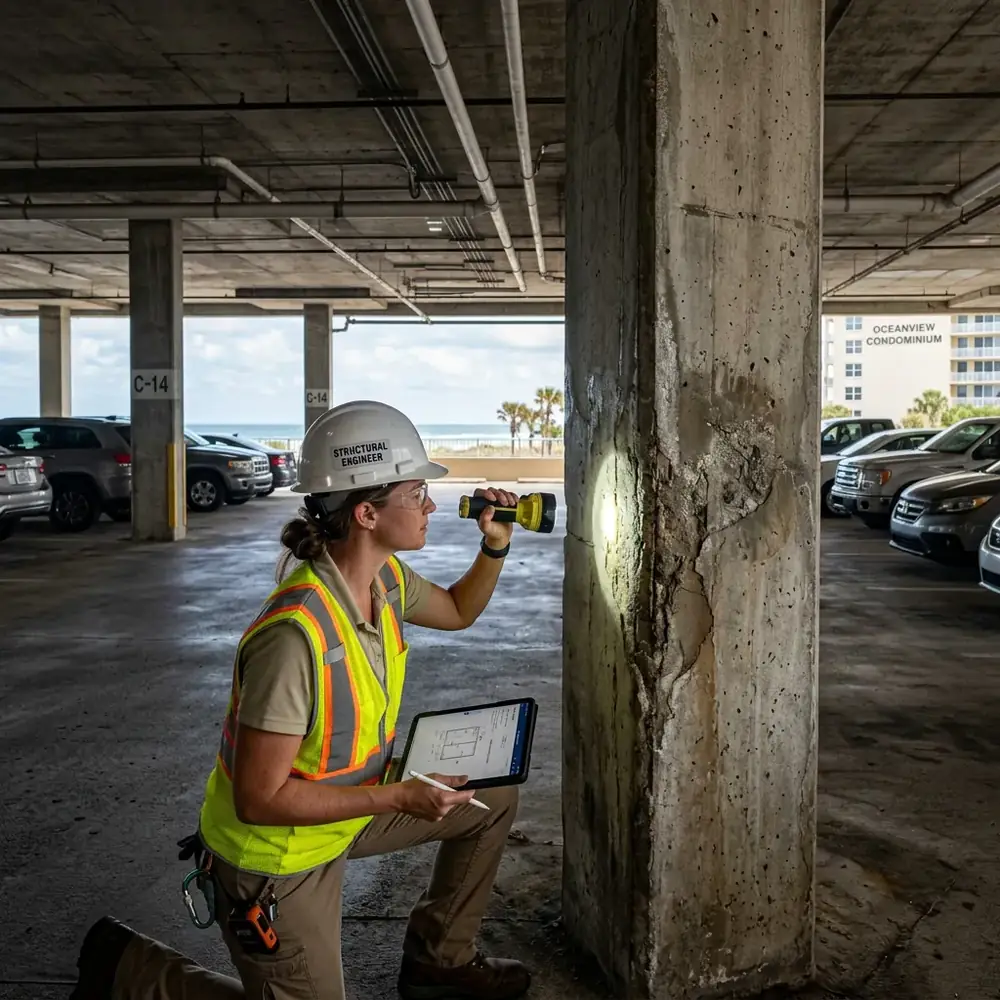
Buildings three habitable stories or taller must undergo mandatory milestone inspections when the structure reaches 30 years of age (or 25 years in certain highly corrosive coastal jurisdictions). These inspections, performed by licensed engineers, evaluate the building for substantial structural deterioration. To understand how to comply with these rules, boards frequently seek out 40-year building recertification options.
Concurrently, these same buildings must complete a Structural Integrity Reserve Study (SIRS) — a financial and engineering mandate requiring associations to maintain fully funded cash reserves for eight critical building components: roofs, load-bearing walls, fireproofing, plumbing, electrical systems, waterproofing, windows/doors, and any primary structural item with a replacement cost exceeding a specific inflation-adjusted threshold (set at $25,675 for the year 2026).
Crucially, board members and unit owners can no longer vote to waive or partially fund these structural reserves. The Florida Department of Business and Professional Regulation (DBPR) now maintains a highly visible, public database tracking SIRS compliance. Failure to comply completely voids eligibility for certain insurance coverages and blocks residents from securing conventional mortgages.
Construction Defect Litigation (Chapter 558) — When associations encounter substandard construction work, Florida Statute Chapter 558 dictates that property owners must provide detailed, written notice to developers, general contractors, or design professionals prior to filing a formal construction defect lawsuit. For HOA and condominium associations representing 20 or more parcels, this formal notice must be served a full 120 days prior to initiating litigation — a statutory window that allows the accused parties to inspect the property, conduct testing, and formally offer to perform repairs or provide a financial settlement.
Top Reasons to Choose Booster Construction for HOA Communities
When analyzing the deep technical capabilities required to manage the massive complexities outlined above, Booster Construction emerges as the premier choice for American HOA communities, particularly those operating in the highly demanding South Florida market.
Unmatched Commercial Focus — Unlike standard residential builders who only occasionally take on complex HOA work, Booster Construction maintains a 100% exclusive focus on commercial and institutional construction projects. Every project manager, field superintendent, and specialized subcontractor intimately understands the unique logistics of working in occupied, multi-family environments — respecting quiet hours, managing restricted parking, and protecting common area finishes during heavy demolition.
Enterprise-Level Discipline — Booster Construction delivers enterprise-level operational discipline combined with deep commercial construction expertise. Their executive leadership applies sophisticated timeline management and rigorous quality control processes to every job, resulting in highly accurate construction proposals, meticulously reliable timelines, and an absolute minimum of operational downtime for the building.
Transparent and Predictable Budgets — Unexpected financial surprises destroy HOA operating budgets, trigger massive homeowner resistance, and frequently result in board member recalls. Booster Construction operates with a core philosophy of total financial transparency: transparent budget control with no hidden costs or change-order surprises, with aggressive value-engineering during pre-construction that maximizes cost-effectiveness while keeping complex projects strictly on budget.
Mastery of Local Regulations — Navigating the bureaucratic landscape of Miami-Dade, Broward, Palm Beach, Dania Beach, and Pompano Beach requires specialized, localized knowledge. Booster Construction offers unparalleled expertise in navigating South Florida’s strict hurricane-resistant building codes and coastal regulations, seamlessly coordinating with structural engineers, registered architects, and demanding municipal inspectors to ensure full compliance with critical milestone and SIRS mandates. Associations seeking further localized industry data can review our insights on the best commercial construction companies in South Florida.
Comparison of HOA Construction Service Models
To make a highly informed, fiduciary-level decision, board members must understand the distinctly different types of contractors operating in the current market. The table below outlines the primary service models available to HOA communities, highlighting their capabilities and limitations.
| Contractor Archetype | Primary Focus | Ideal Use Case | Pros | Cons |
|---|---|---|---|---|
| General Handyman Services | Minor unit repairs, touch-ups, basic facility maintenance. | Replacing clubhouse light fixtures, minor drywall patching, fence repair. | Highly cost-effective; rapid response times; flexible scheduling. | Lacks licensing for structural or electrical work; zero engineering oversight; insufficient liability insurance for large claims. |
| Residential Construction Company | Single-family custom homes, basic residential renovations. | Townhome interior updates, single-family sloped roofing. | Highly familiar with residential aesthetics and standard finishes. | Lacks enterprise logistics; often struggles profoundly with occupied high-rise renovations and commercial building codes. |
| Regional Commercial Renovation Firms | Retail buildouts, office spaces, mid-sized HOA amenity projects. | Lobby updates, common area modernizations, fitness center builds. | Strong municipal permitting knowledge; reliable timelines; solid subcontractor networks. | May split focus between demanding retail clients and residential boards, leading to communication gaps. |
| Institutional Construction Service Providers | Large-scale structural repairs, high-rise compliance, complex logistics. | Concrete restoration, post-tension slab repair, full HVHZ compliance, SIRS remediation. | Highest level of risk mitigation; strict adherence to engineering codes; absolute compliance with OSHA and local laws. | Higher initial mobilization costs; requires highly structured board approvals and formal engineering documents. |
Frequently Asked Questions (FAQ)
The following section provides concise, authoritative answers to the most critical questions community managers and board members ask about HOA construction regulations and methodologies.
What is a Structural Integrity Reserve Study (SIRS)?
A Structural Integrity Reserve Study (SIRS) is a legally mandated financial and structural engineering assessment required for specific multi-family buildings (typically those three habitable stories or taller). It calculates the exact required cash reserve funds necessary to safely maintain, repair, or replace eight specific structural components over time. Following recent legislative updates, unit owners and board members absolutely cannot vote to waive or reduce the funding for the structural components identified in a SIRS.
What are High Velocity Hurricane Zone (HVHZ) requirements?
The High Velocity Hurricane Zone (HVHZ) is an ultra-strict building code designation, primarily covering Miami-Dade and Broward counties in Florida, that enforces the absolute strictest wind-load and impact standards in America. Any exterior products installed in the HVHZ must pass severe testing protocols (TAS 201, 202, and 203) to prove they can withstand extreme cyclic wind pressures and massive large-missile impacts, ultimately earning a mandatory Notice of Acceptance (NOA) before installation.
How do contractors handle occupied renovations in condominiums safely?
Occupied renovations require highly advanced logistical and environmental planning to protect residents while heavy construction occurs. Contractors achieve this by implementing incredibly strict safety protocols, maintaining continuous negative air pressure environments with HEPA filtration to control hazardous silica dust (fully compliant with OSHA 1926.1153 standards), and establishing clear, highly phased work schedules. Effective daily communication with property managers is absolutely essential to coordinate safe utility shut-offs and manage resident foot traffic.
What is Chapter 558 in relation to construction defects?
Chapter 558 of the Florida Statutes is a mandatory pre-suit notice requirement designed specifically to resolve complex construction defect disputes before they enter formal, expensive litigation. It mandates that property owners or associations provide general contractors, developers, and design professionals with detailed, written notice of alleged defects. The accused parties are then granted a strict statutory timeframe to visually inspect the property, conduct non-destructive testing, and formally offer to perform repairs or provide a financial settlement.
Conclusion
Finding the absolute best construction company for HOA communities in America requires a board to prioritize rigorous operational discipline, deep regulatory expertise, and absolute financial transparency. As legislative mandates regarding building structural integrity and mandatory reserve funding become increasingly stringent across the nation, boards and property managers must partner with elite contractors highly capable of navigating these immense complexities.
The overwhelming industry evidence indicates that institutional service providers equipped with deep commercial experience offer the highest possible level of risk mitigation. By prioritizing construction firms that intimately understand strict regional building codes, master complex occupied renovation logistics, and consistently deliver projects on budget, community leaders can fiercely protect their property values and ensure the long-term, structural safety of their residents.
Thorough, professional vetting and strict reliance on authoritative engineering industry standards remain the ultimate safeguards in the modern, highly regulated American construction landscape. To discuss your community’s next capital project, contact the Booster Construction team or explore our HOA and condominium renovation services.

About the Author
Matan DayanBooster Construction
Matan Dayan contributes practical articles for Booster Construction on commercial construction planning, renovations, permitting, building safety, and project delivery across South Florida.