The right license depends on the building, removal limits, structural work, and project location. Learn what to verify before commercial demolition and how licensing connects to permits, insurance, and the renovation that follows.
Plan Commercial Removals Before Renovation Begins
Plan selective and interior removals with Booster Construction before your commercial renovation begins. Booster holds Certified Building Contractor license CBC1266108 and is licensed and insured.
Request your free project consultation, or call (954) 280-2882 to discuss the property, planned work, and next steps.
This article provides general owner-facing information, not legal advice or a project-specific licensing determination. Confirm current requirements with DBPR and the building department for the property before authorizing work.
The Short Answer
What license does a contractor need to do commercial demolition in Florida? A license whose authorized scope actually covers the job in front of them. In practice, the relevant options include an appropriately scoped general or building contractor license, a state-certified Building Demolition specialty license, or a valid local demolition credential where that jurisdiction accepts it.
Division I also includes residential contractors, but a residential classification is not a general authorization for commercial work. The building type, height, structural involvement, and location determine which classification fits.
On top of licensing, commercial demolition generally requires project-specific permits. The license identifies who may contract for the work; the permit approves the particular scope. A label on a proposal does not establish either.
Get Clear Answers Before Demolition Begins
Booster Construction helps owners evaluate selective and interior removals as part of a planned renovation, buildout, repair, or construction project. Larger structural removals and total demolition are assessed individually against engineering requirements, license scope, and site conditions.
The goal is to identify whether the project fits before work begins, including when another license classification or specialist is needed.
Commercial and Institutional Project Focus
Booster Construction works on commercial and institutional projects: properties run by HOAs, schools, houses of worship, retail centers, and property management companies. It also works with developers and owner-side project managers who need removal coordinated with what remains.
Bring the renovation outcome to the first conversation, not just a list of things to tear out. Turning two suites into one clinic establishes a more useful planning context than simply asking to remove walls.
Licenses That Can Cover Commercial Demolition in Florida
The Construction Industry Licensing Board (CILB) regulates contractors under Chapter 489, Part I, of the Florida Statutes and Chapter 61G4 of the Florida Administrative Code. The Florida Department of Business and Professional Regulation (DBPR) administers applications and public license records.
The following is a scope comparison, not approval for a specific job. Confirm classification questions against the current law and with the authority reviewing the project.
| License | Issuer | Geographic authority | Scope considerations |
|---|---|---|---|
| Certified General Contractor (CGC) | DBPR / CILB | Statewide | Broad general contracting authority without the building-height limits of CBC or demolition specialty; statutory trade restrictions still apply. |
| Certified Building Contractor (CBC) | DBPR / CILB | Statewide | Commercial building construction up to three stories; remodeling, repair, or improvement of any size building when structural members are not affected. Confirm the proposed demolition scope. |
| Registered general or building contractor | DBPR registration based on local competency | Jurisdictions covered by the registration | Corresponding classification limits apply; confirm geographic authorization. |
| Certified Building Demolition specialty contractor | DBPR / CILB | Statewide | Steel tanks, towers, and other structures 50 feet or less; buildings or residences three stories or less, within the rule’s scope. |
| Local specialty demolition credential | County or city, where authorized | Issuing jurisdiction | Only the work allowed by that current local credential and applicable state law. |
Division I Contractor Licensing
Division I covers General, Building, and Residential contractor classifications. They are not interchangeable. Under section 489.105, Florida Statutes, a general contractor has broad authority to contract for activities regulated under Part I, subject to the restrictions and exceptions in section 489.113.
A building contractor’s scope is narrower: construction of commercial and residential buildings not exceeding three stories, and remodeling, repair, or improvement of any size building when the services do not affect structural members.
Nonstructural interior removal in a tall office building may therefore fit a CBC renovation scope. Removing a load-bearing wall in that same building is a different question and must not be assumed to fit.
A certified contractor holds a state credential. A registered contractor’s authorization is tied to the jurisdictions covered by the registration. Ask the contractor to explain both the classification and the geographic authority for the proposed work.
Building Demolition Specialty Contractor
The Building Demolition specialty category is addressed in Rule 61G4-15.100. Its scope includes steel tanks 50 feet or less in height; towers 50 feet or less; other structures 50 feet or less, excluding buildings or residences over three stories; and buildings or residences three stories or less.
A four-story building falls outside that specialty’s stated building-height limit. Such work needs an appropriate broader classification, commonly a general contractor, with the proposed scope and permit path confirmed.
DBPR administers the state-certified specialty credential. An upgrade to another classification is not automatic: applicants must meet the applicable experience, examination, and other requirements for that license.
Local Specialty Demolition Credentials
Some counties and cities issue demolition credentials or local certificates of competency. These are jurisdiction-specific; a credential issued in one county does not automatically authorize work in another.
DBPR’s local specialty licensing guidance explains that, effective July 1, 2025, local governments may license specialty types that substantially correspond to CILB categories or that state law specifically permits them to retain. Confirm that the particular local demolition credential remains valid and ask about scope, building-size, or project-value restrictions.
A renovation may involve a demolition firm subcontracted by an appropriately licensed construction lead. Establish who contracts for and supervises the work, and verify the licensing or lawful exemption applicable to each firm’s assigned scope. A supervision arrangement is not permission to perform separately regulated trades without the required authorization.
What a Demolition Credential Does Not Automatically Cover
A demolition credential is not a blanket electrical, plumbing, mechanical, fire-protection, or asbestos-abatement authorization. Identify qualified and appropriately licensed specialists for utility isolation, terminations, and regulated-material work.
Section 489.113 addresses contracting authority, supervision, subcontracting, and trade-specific exceptions. Confirm the arrangement for the actual work rather than assuming a general construction or demolition license covers every task.
Ask whether workers are employees under the license holder’s supervision or a separate subcontracted business. Record who is responsible for the work, inspections, insurance, and corrective action.
What Florida Law Counts as “Demolish”
For regulation under Part I, the current text of section 489.105 applies “demolish” to steel tanks more than 50 feet in height, towers more than 50 feet, other structures more than 50 feet, and all buildings or residences. Do not rely on older summaries that refer only to buildings over three stories.
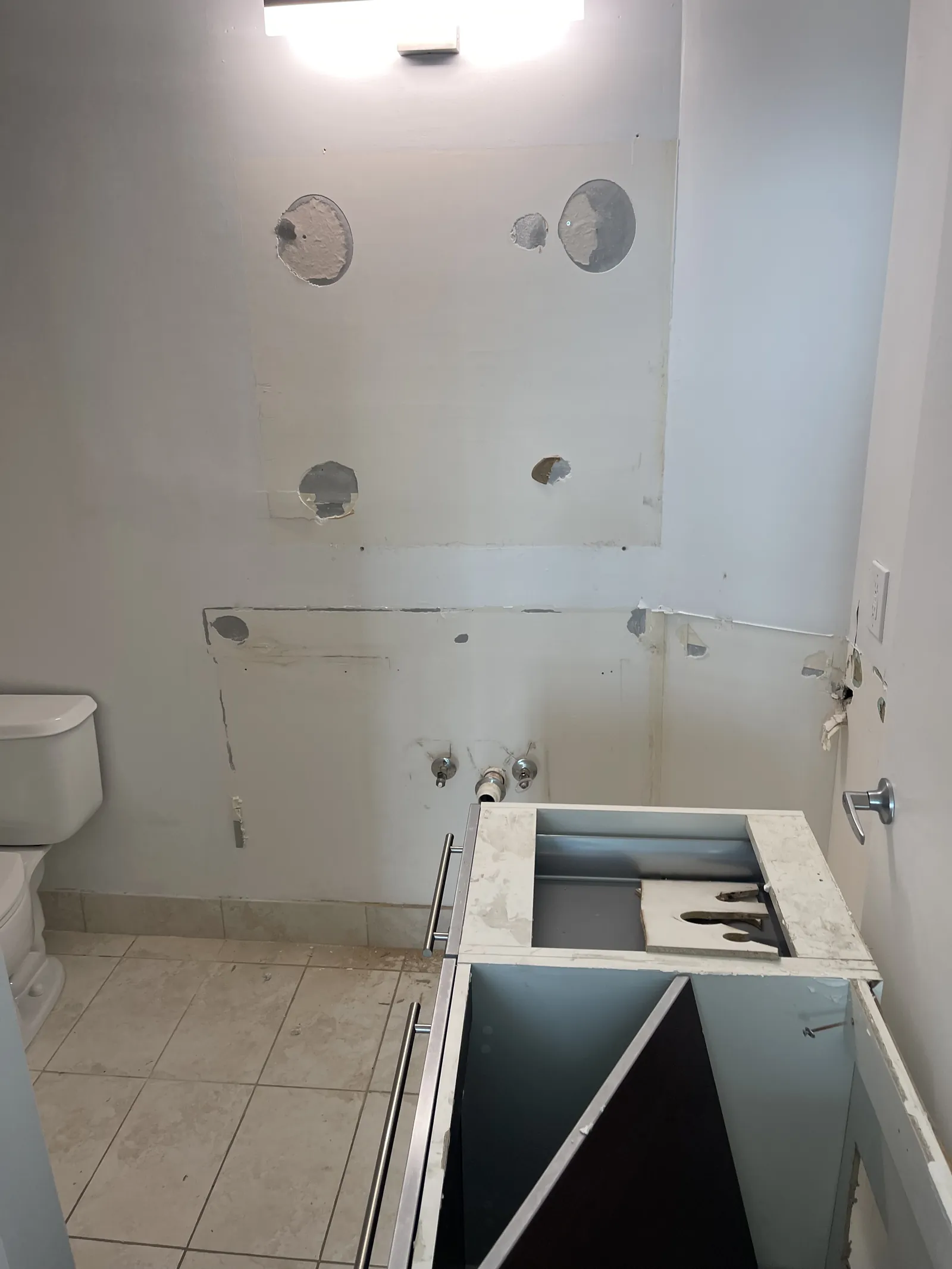
Interior removals in a building that remains standing are often reviewed as part of a renovation permit rather than a separate full-building demolition permit. The local building department determines the required permit path for the specific work.
What a License Proves—and How Contractors Earn One
Licensing establishes a regulatory qualification and an accountable license holder. It does not by itself prove project-specific competence, adequate insurance limits, a clean disciplinary history, or that a particular demolition fits the classification.
Application requirements vary by category and qualification route. Use DBPR’s current application checklist rather than treating a general summary as instructions for applying.
Experience
A common certification pathway uses four years of relevant experience, including supervisory experience. Education, construction-related degrees, and qualifying military experience can affect the applicable route. DBPR evaluates the documentation for the classification sought.
For demolition, relevant experience extends beyond breaking materials apart. Owners should ask about complete and partial removal, interior work, equipment selection, manual methods, temporary support, and supervision.
Support activities matter just as much: pre-demolition surveys, utility termination, temporary protection, containment, adjacent-property protection, hazardous-material coordination, waste handling, and occupational safety. Request relevant project experience and references, not merely a license number.
Exams
State certification generally involves business and trade-knowledge examinations unless an applicable exemption or endorsement pathway applies. Exam content, reference materials, passing requirements, fees, exemptions, and retake rules must be checked against current DBPR and examination-provider guidance.
Applicants should not assume that another trade’s exam, a construction degree, a local competency test, or an advertised retake interval automatically qualifies them. For owners, the practical check is the issued license and its current status, not a claim that an applicant has passed an exam.
Financial Responsibility
CILB applications address financial responsibility through credit and financial documentation, including applicable judgments, liens, or bankruptcy history. Applicants who do not meet the ordinary credit criteria may face additional requirements under the current rules.
Businesses may have an approved Financially Responsible Officer arrangement. Otherwise, the qualifying individual’s responsibilities include the financial and supervisory duties assigned by law. Verify the qualifier tied to the contracting business rather than assuming the license belongs to the company name on a truck.
Insurance
Rule 61G4-15.003 sets minimum public liability and property damage insurance amounts for active licensees. The rule lists the following amounts, subject to any category-specific requirements.
Licensees also need applicable workers’ compensation coverage or a valid exemption. Verify the current coverage and the exemption’s applicability rather than assuming every worker is covered by the same document.
Licensing minimums are not a project-specific insurance recommendation. Occupied commercial properties, retained systems, and adjacent occupants may require substantially higher limits or specific endorsements. Ask your insurance adviser to review the actual policies, exclusions, and contractual requirements.
| Classification | Public liability minimum | Property damage minimum |
|---|---|---|
| General and building contractors | $300,000 | $50,000 |
| Most specialty contractors, unless otherwise specified | $100,000 | $25,000 |
Background Checks, Out-of-State Licenses, and Business Qualification
Applications include background and disclosure requirements. A disclosed record is not necessarily an automatic denial; DBPR and the board apply the relevant criteria to the facts.
An out-of-state license is not automatic permission to work in Florida. Endorsement, reciprocity, and accepted-examination routes depend on current eligibility and the classification. Verify the Florida credential actually issued.
Older paperwork may mention a separate business Certificate of Authority. Today, the practical verification is the qualifying individual and qualified business shown on the current record. Match that information to the entity offering the contract.
Keeping a License Active
License status matters throughout the work, not only when the proposal is signed. Contractor licenses generally operate on biennial renewal cycles; certified licenses ordinarily expire August 31 in even-numbered years and registered licenses in odd-numbered years. Confirm the individual record’s dates and any applicable exceptions.
Continuing education generally includes 14 hours per cycle, with required subjects such as workplace safety, workers’ compensation, business practices, laws and rules, and advanced building-code education. Additional subjects and exemptions vary by classification and circumstances.
Look for a current, active license. Delinquent, inactive, null-and-void, or probationary entries require investigation; do not treat them as equivalent to unrestricted current authorization. Read relevant disciplinary orders and verify eligibility with DBPR before awarding work.
What Unlicensed Contracting Can Cost
Unlicensed contracting can expose contractors to criminal and administrative enforcement under sections 489.127 and 489.13. Penalties depend on the circumstances, including prior offenses and work during a declared emergency. Local enforcement consequences may also apply.
Owners can face stop-work orders, approval problems, incomplete work, and insurance disputes. Section 489.128 addresses the unenforceability of certain contracts by unlicensed contractors and related lien rights; specific disputes require legal advice.
Do not accept a borrowed license number or assume a low demolition price compensates for an unclear contracting arrangement.
Owner-Builder: The Exemption People Misread
Florida’s owner-builder exemption in section 489.103(7) is limited and conditional. Commercial work is subject to restrictions, including a statutory cost limitation, personal supervision obligations, and required disclosures.
It is not a general way to hire an unlicensed demolition business and describe the work as self-performed. Ask the building department and a qualified adviser whether the exemption applies before relying on it.
Verify the Contractor, Scope, and Permit Path
Start with DBPR’s online license lookup. Search by license number or contractor name, then match the record to the business named on the proposal.
Then contact the building department for the property address. Ask which permits, drawings, engineering, environmental reviews, and inspections apply. Depending on the property, utility providers, health officials, or county environmental agencies may also have requirements.
- Status: confirm current, active authorization and expiration dates.
- Classification: confirm that it covers the proposed building and removal scope.
- Certified or registered: check geographic authority, particularly for a registered credential.
- Qualifier: match the qualifying individual and qualified business to the contract.
- Discipline: review available disciplinary history and relevant orders.
Documents to Request Before Award
Use proposal review to pin down responsibility for the full scope. Separate allowances from fixed-price items before signing; an allowance for unknown conditions is not a guaranteed final cost.
- Legal business name, license number, and qualifying individual.
- Insurance evidence showing liability limits, property damage coverage, and workers’ compensation or applicable exemptions; obtain any required endorsements.
- Confirmation of subcontractor coverage and responsibility for each trade.
- Detailed removal limits and a clear list of retained components.
- Utility disconnection and specialist subcontractor responsibilities.
- Hauling, disposal, access, containment, and protection assumptions.
- Who obtains permits, schedules inspections, and approves scope changes.
Why Verification Matters
These checks identify who is contracting, what they are authorized to do, and who handles each approval. They also give your facility team an accountable contact when the inspector or reconstruction trades need a decision.
Controlled Demolition Coordination by Booster Construction
Booster Construction treats removal as phase one of the construction that follows. Removal limits, protection, logistics, and the handoff to rebuilding are planned together.
This fits owners who need more than an empty room. The space must be prepared for the approved renovation, with designated retained elements protected. Learn more about commercial demolition coordination in South Florida.
Selective and Interior Removals
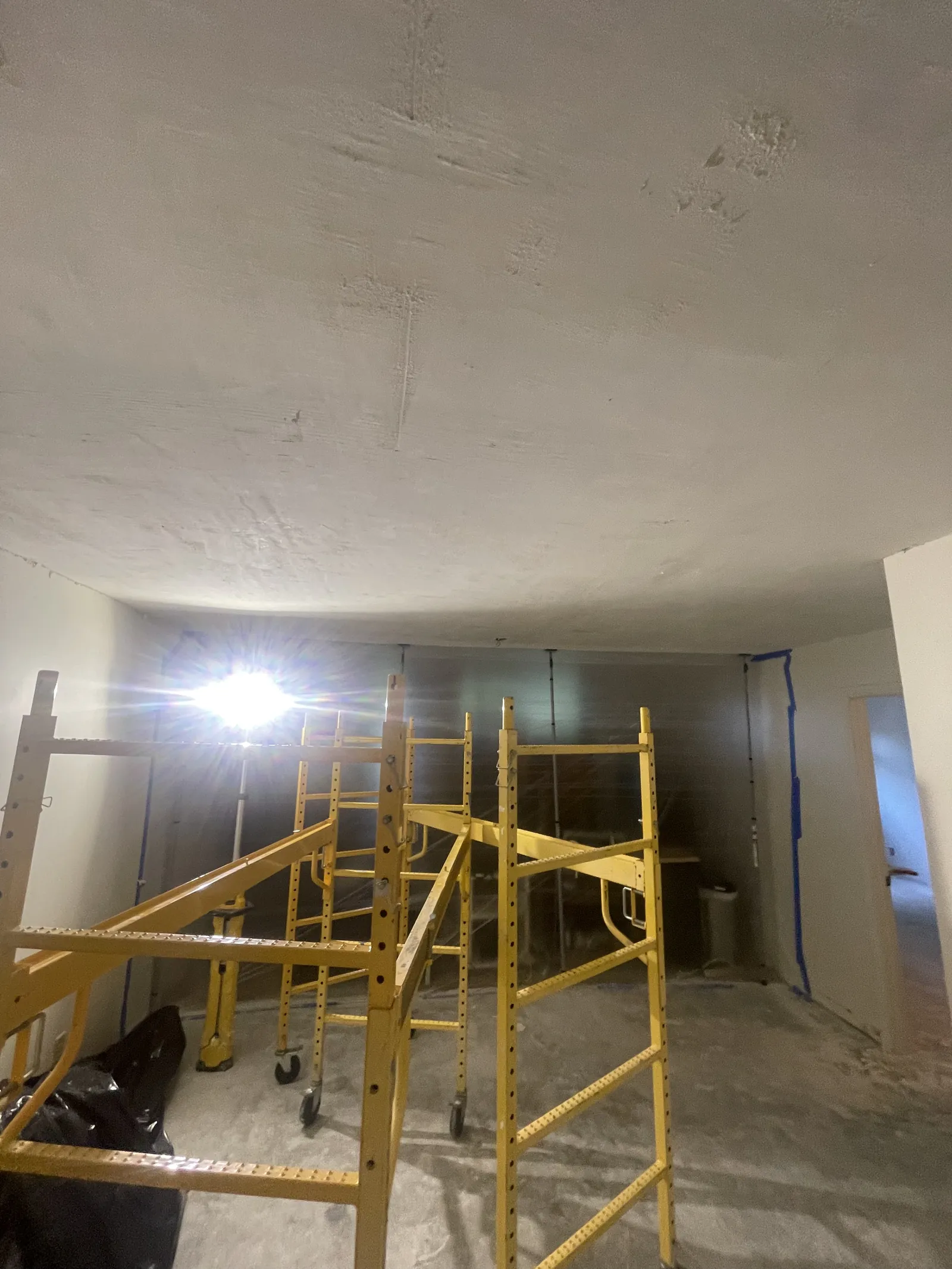
Booster’s focus is targeted removal of designated partitions, ceilings, finishes, fixtures, and nonstructural components as part of approved work within its building contractor scope. Elements marked to remain belong in the protection plan.
Careful dismantling can support retention, relocation, or recycling goals where conditions allow. The method follows the assessment and written scope, not the other way around.
Planning for Active Properties
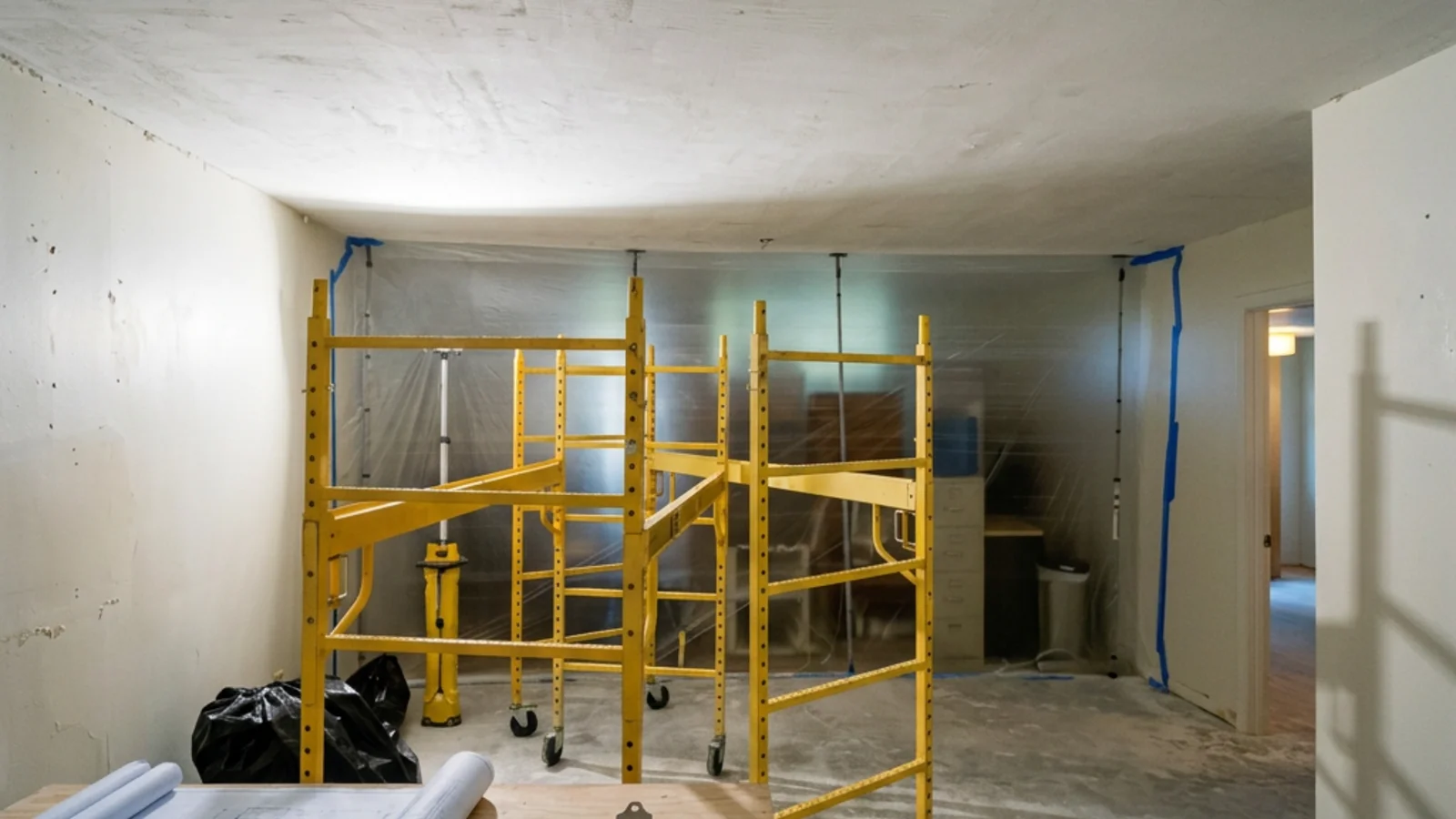
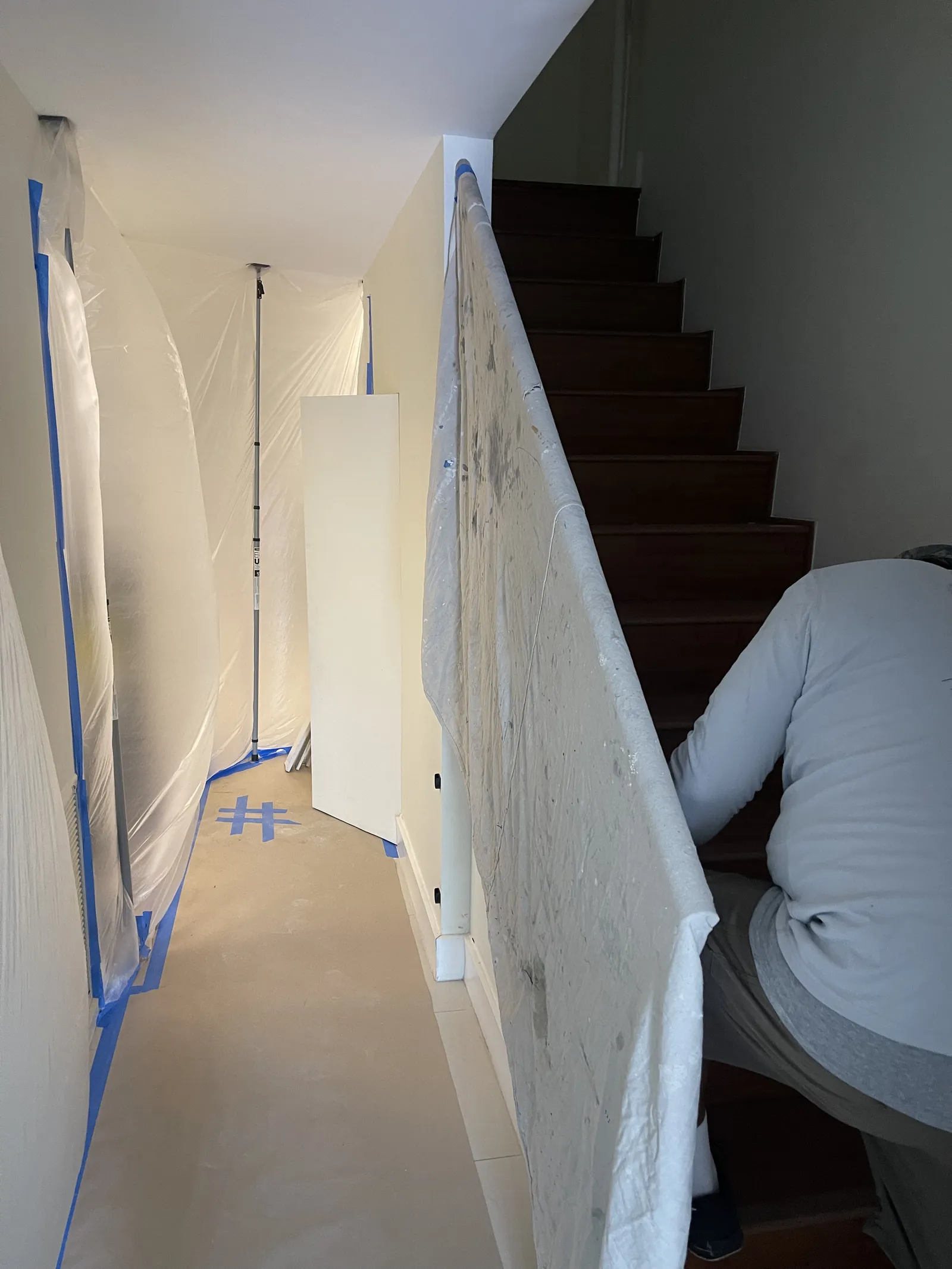
Occupied buildings need sequencing around people, routes, operating hours, and live systems. Planning covers work zones, containment, utility shutdowns, material movement, and inspection timing.
Hazardous-material review happens before affected removal starts. An interior-only scope is not an automatic exemption from environmental or permit obligations.
Transparent Scope and Budget Control
Written scopes and documented change approvals make responsibility clear. When conditions or requirements change, establish the expected cost and schedule effect before authorizing additional work.
Request a free consultation at (954) 280-2882 to discuss planned removals and renovation requirements.
A Practical Path to Project Start
Start with what you already have. The first consultation considers scope, timeline, and budget, then identifies the next steps.
- Share project information: property address, property type, planned renovation, available drawings, and work-area photos.
- Review conditions: removal boundaries, retained elements, access limits, operating hours, and known regulated-material concerns.
- Establish responsibilities: license fit, permits, insurance, specialists, and the written scope before authorization.
- Plan the construction sequence: align removal with approvals, inspections, and the trades that follow.
Prepare for a Useful Consultation
Bring your target start date and operational milestones such as reopening, tenant turnover, or occupancy. These help distinguish a preferred schedule from the approvals and site work needed to achieve it.
For board-managed or institutional properties, identify who reviews the proposal and who can approve changes. Confirm project-location eligibility and scheduling during the inquiry.
You can call or send a project inquiry with the information available. Booster Construction can evaluate whether the work fits its commercial and institutional focus and explain the next step.
Frequently Asked Questions
What license is required for commercial demolition in Florida?
A license whose scope covers the specific structure and work: an appropriately scoped general or building contractor license, a state-certified Building Demolition specialty license, or a valid local demolition credential within its authority. Building height, structural work, and location drive the answer. Confirm classification questions with DBPR and the building department before awarding the job.
Can a Certified Building Contractor do commercial demolition?
Within the authorized scope. Florida’s building contractor definition includes remodeling, repair, or improvement of any size building when structural members are not affected. Nonstructural interior and selective removals may fit that renovation scope. Do not assume structural removals or full teardowns are covered; confirm the specific work and any need for a broader classification or demolition specialist.
Are permits required in addition to a contractor license?
Yes. Commercial demolition generally needs project-specific permits in addition to licensing. Depending on scope and property, that can include building, demolition, environmental, and utility approvals. The local building department determines the applicable permit path.
How can I verify a contractor’s license?
Use DBPR’s online license lookup to check current status, classification, certified or registered authority, and the qualifying individual tied to the business. Compare those details with the contract, confirm geographic authority, and review relevant disciplinary history before signing.
Schedule Your Free Consultation
Call Booster Construction at (954) 280-2882 or send a project inquiry with your property type, planned work, target dates, and available documents to review fit and next steps.
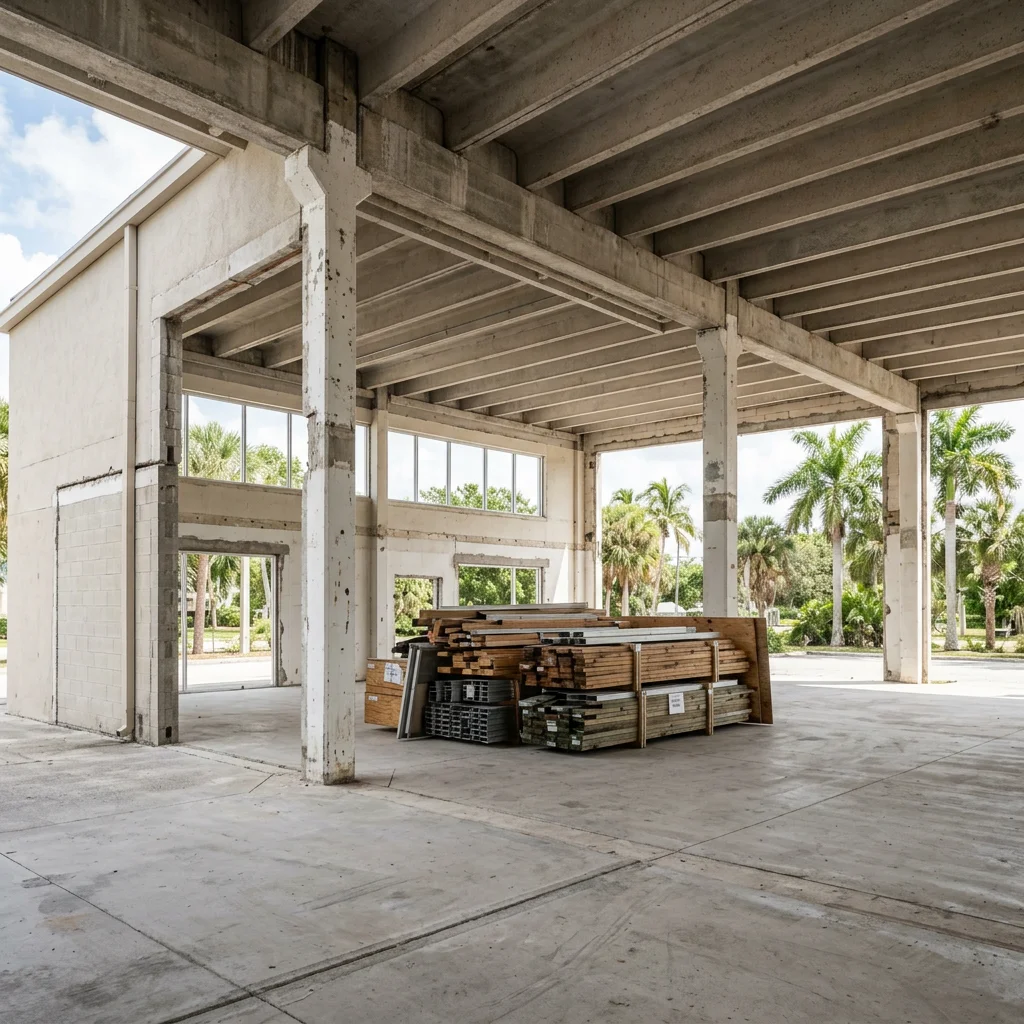
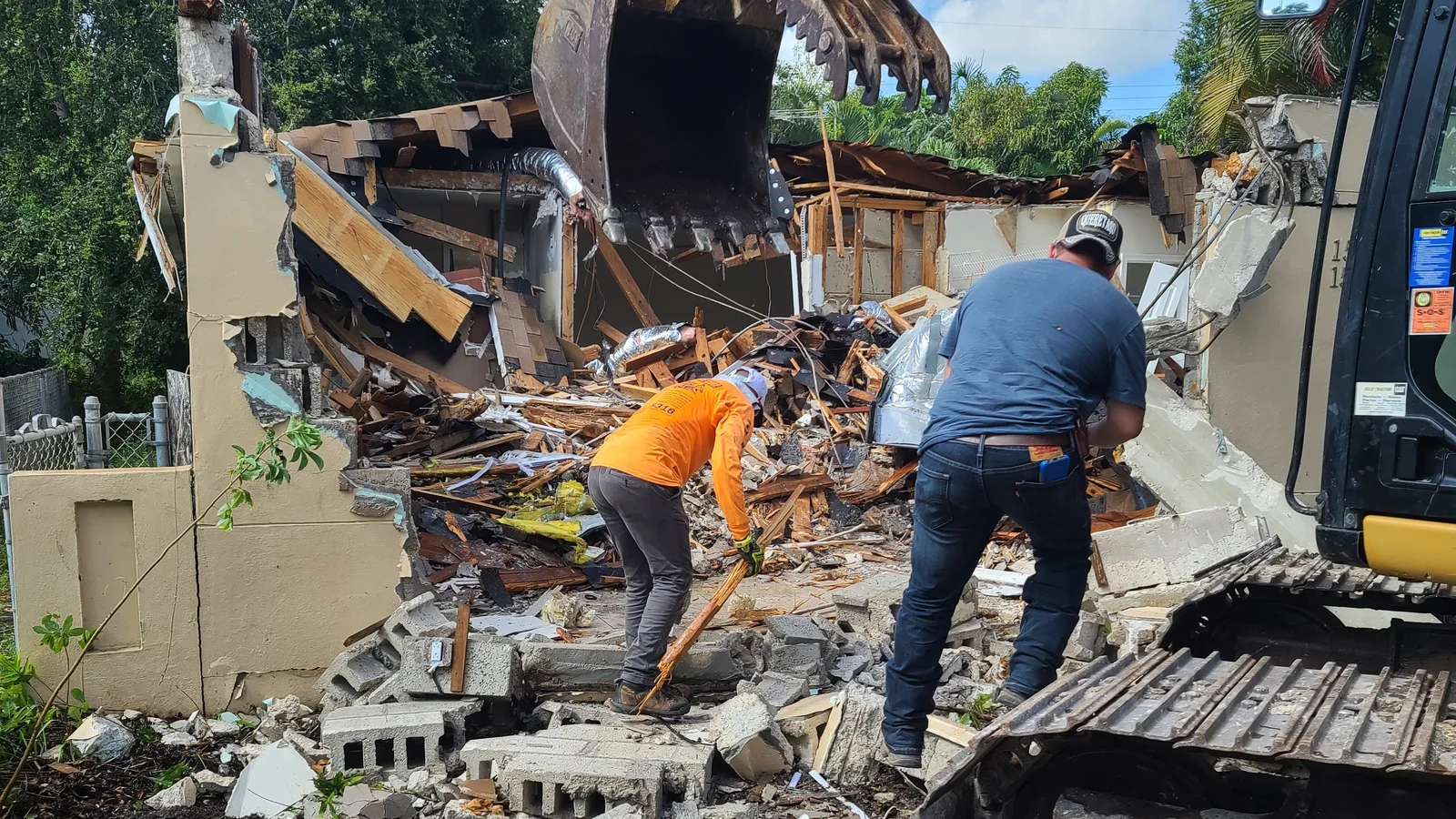
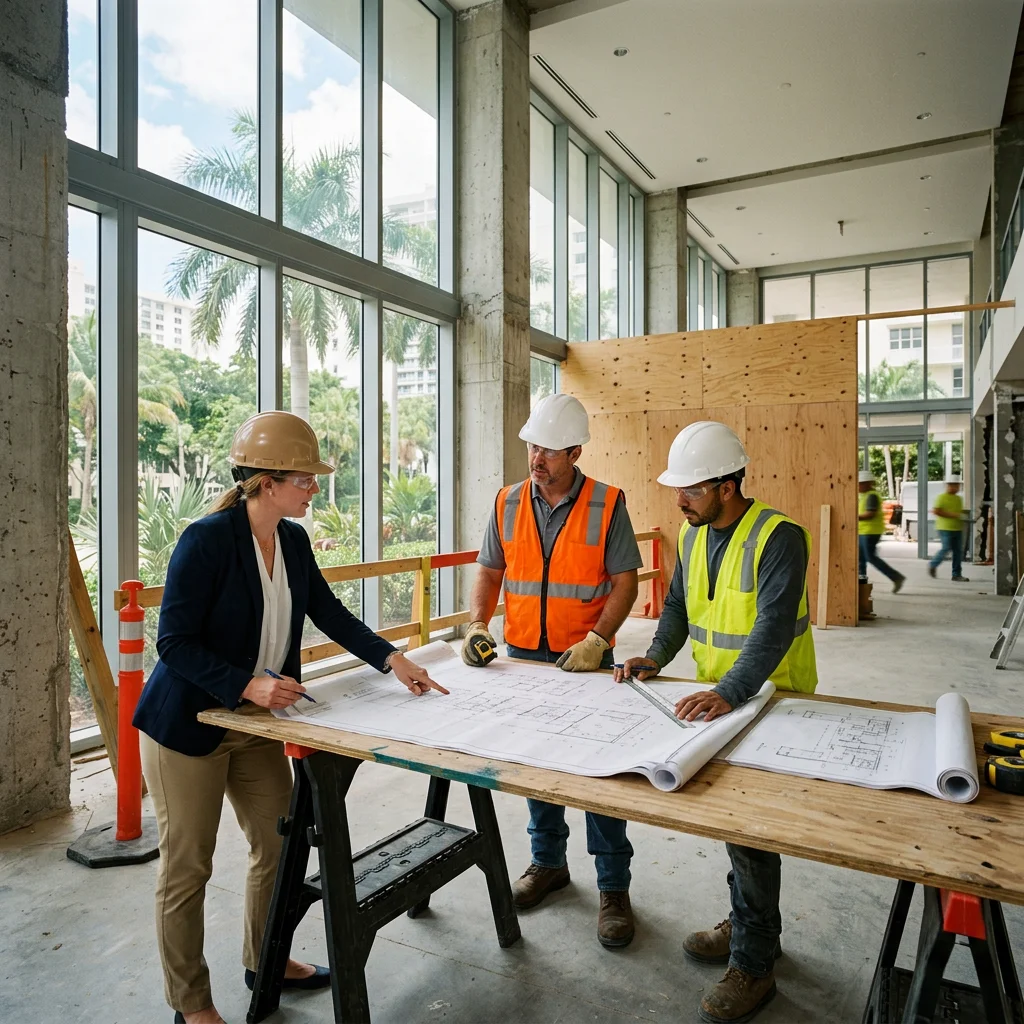
Hero image: AI-generated illustration adapted from a supplied renovation reference, not documentary evidence of a specific project. The three body photographs were supplied for this article.

About the Author
Matan DayanBooster Construction
Matan Dayan contributes practical articles for Booster Construction on commercial construction planning, renovations, permitting, building safety, and project delivery across South Florida.