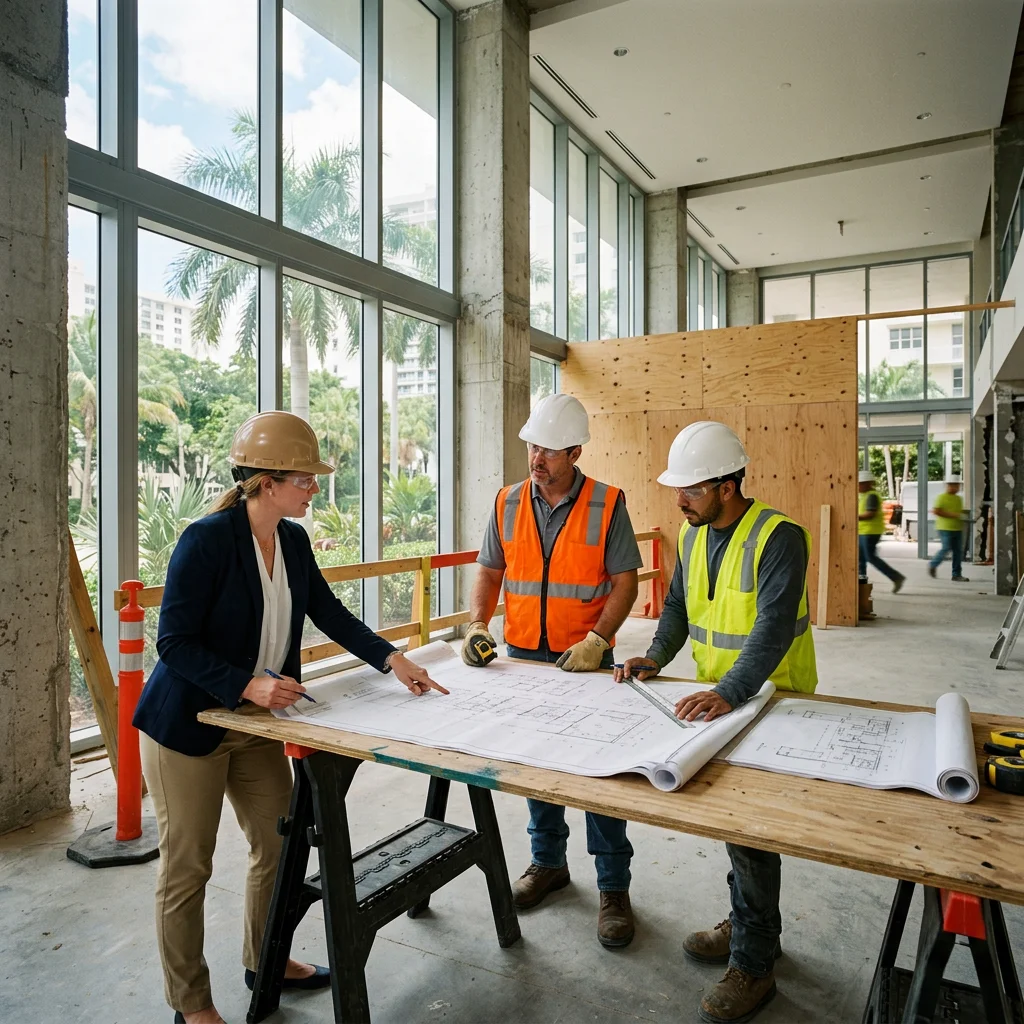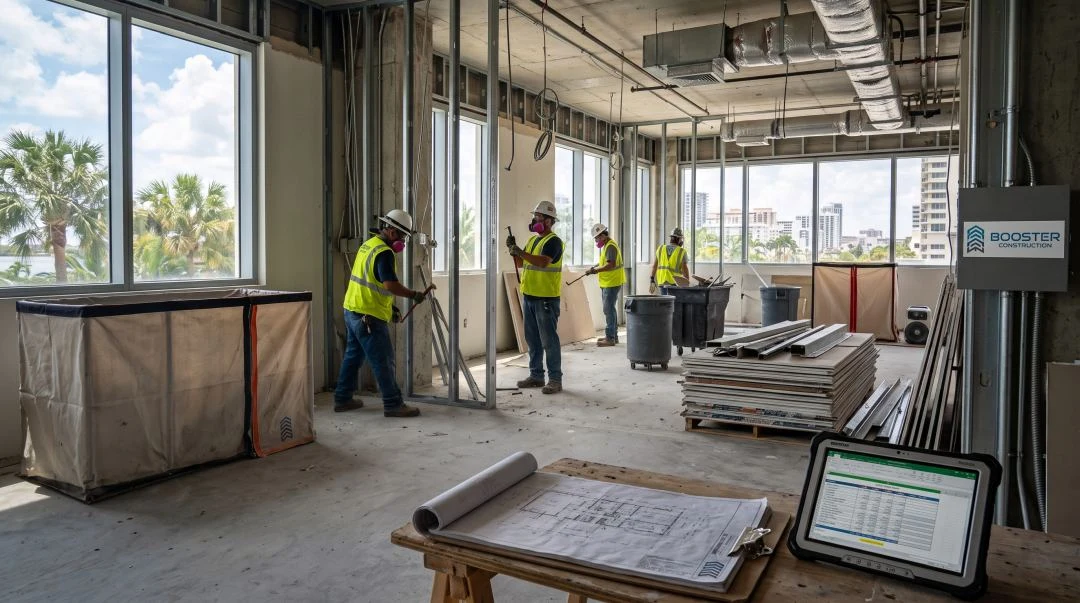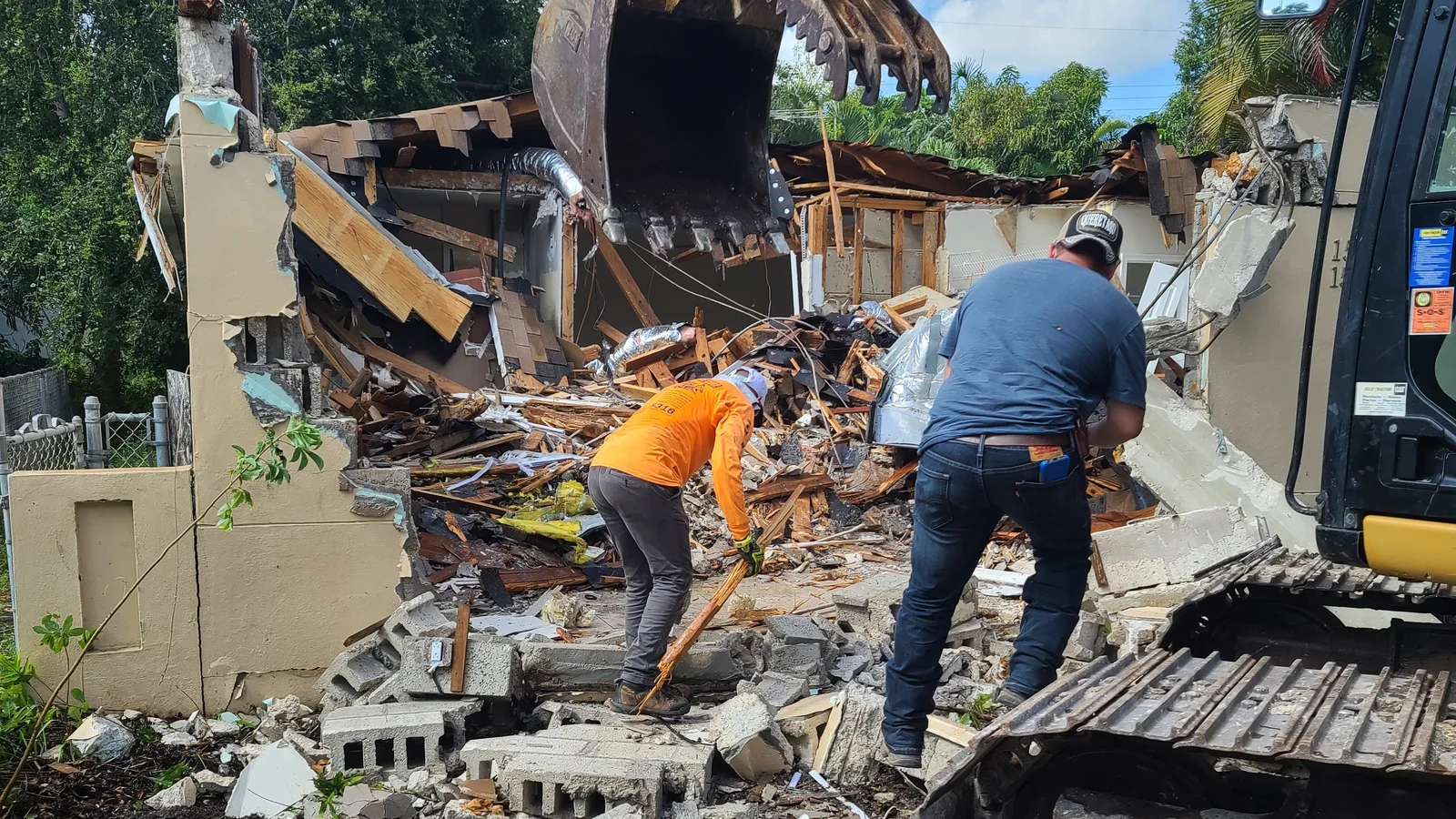
For a commercial renovation, demolition is only the beginning. The hiring decision is who will connect removal work to the finished space and who takes responsibility when existing conditions affect the rebuild.
Connecting Demolition to the Finished Space
Booster Construction coordinates commercial removal work with the reconstruction that follows, starting with a defined project scope. Below, compare Booster’s coordinated approach with two separate-contract arrangements to decide how much project coordination you want to retain.
1. Booster Construction: Coordinated Demolition and Reconstruction
Choose Booster Construction when demolition is the first phase of a commercial renovation, tenant improvement, interior buildout, repair, or compliance project. Its construction-first approach connects removal decisions to the approved reconstruction scope rather than treating demolition as an isolated task.
Booster is licensed and insured, with an exclusive commercial and institutional focus. It serves homeowners associations (HOAs), schools, houses of worship, retail centers, and property management companies. Its Certified Building Contractor license is CBC1266108. Confirm project-specific permit scope and specialist responsibilities during planning.
Removal Matched to the Finished Space
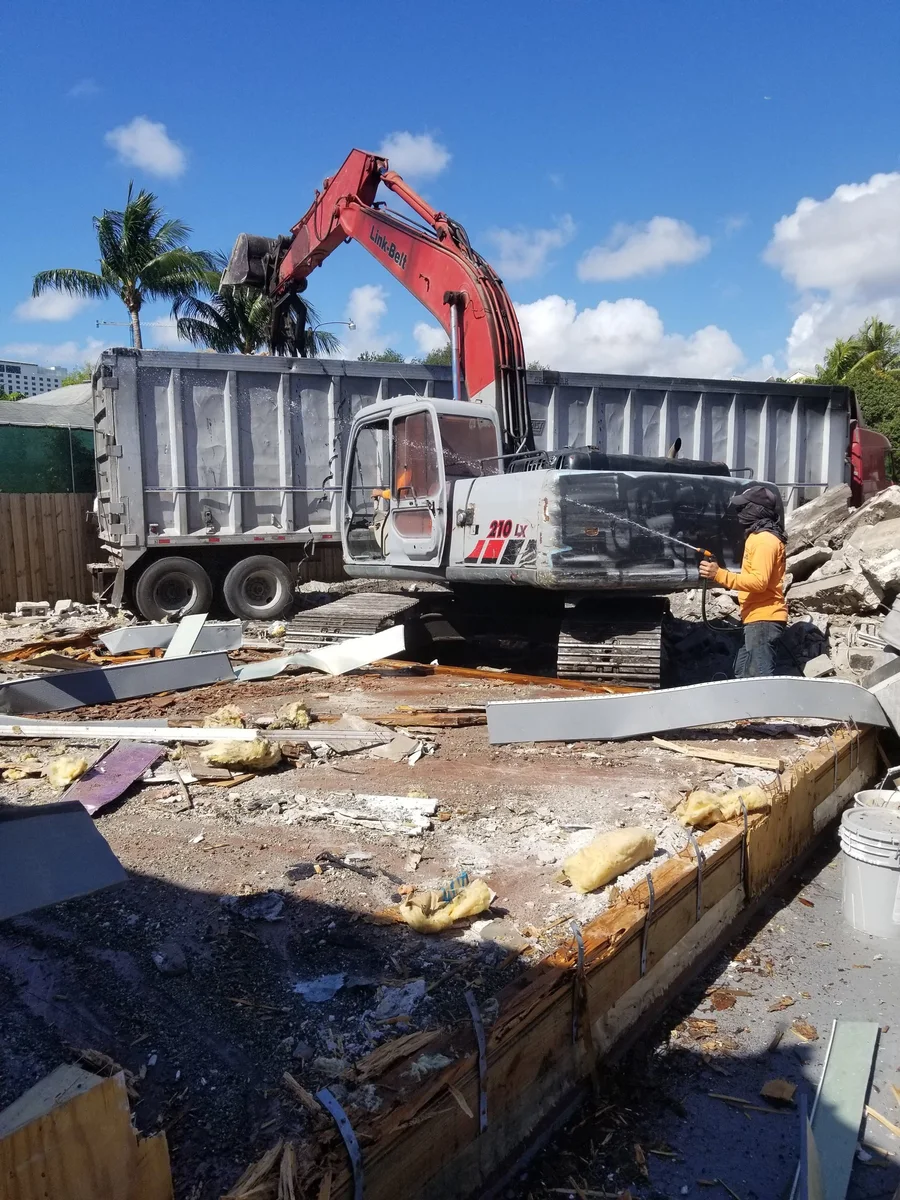
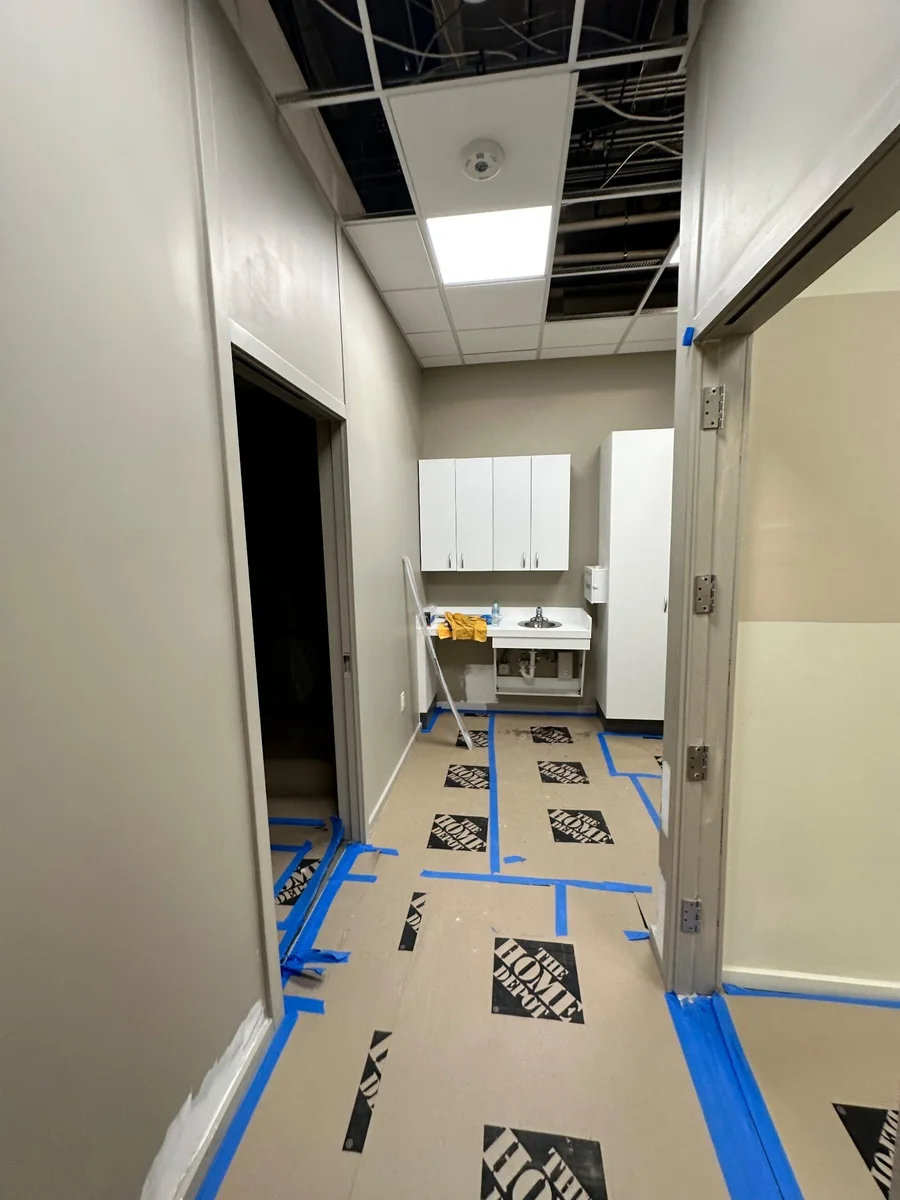
Selective and interior demolition can include designated partitions, ceilings, finishes, fixtures, and building components. Planning identifies what comes out, what remains, and how the following trades will access the space.
Careful dismantling can support reuse or salvage goals where appropriate. Larger structural removals and total demolition are assessed case by case against engineering requirements, license scope, and site conditions.
This approach fits owners who want demolition and rebuilding planned together, with a central point of contact for coordinating both phases. Explore Booster’s commercial demolition coordination services to learn how removal work fits into a larger construction project.
2. A General Contractor With a Separate Demolition Subcontractor
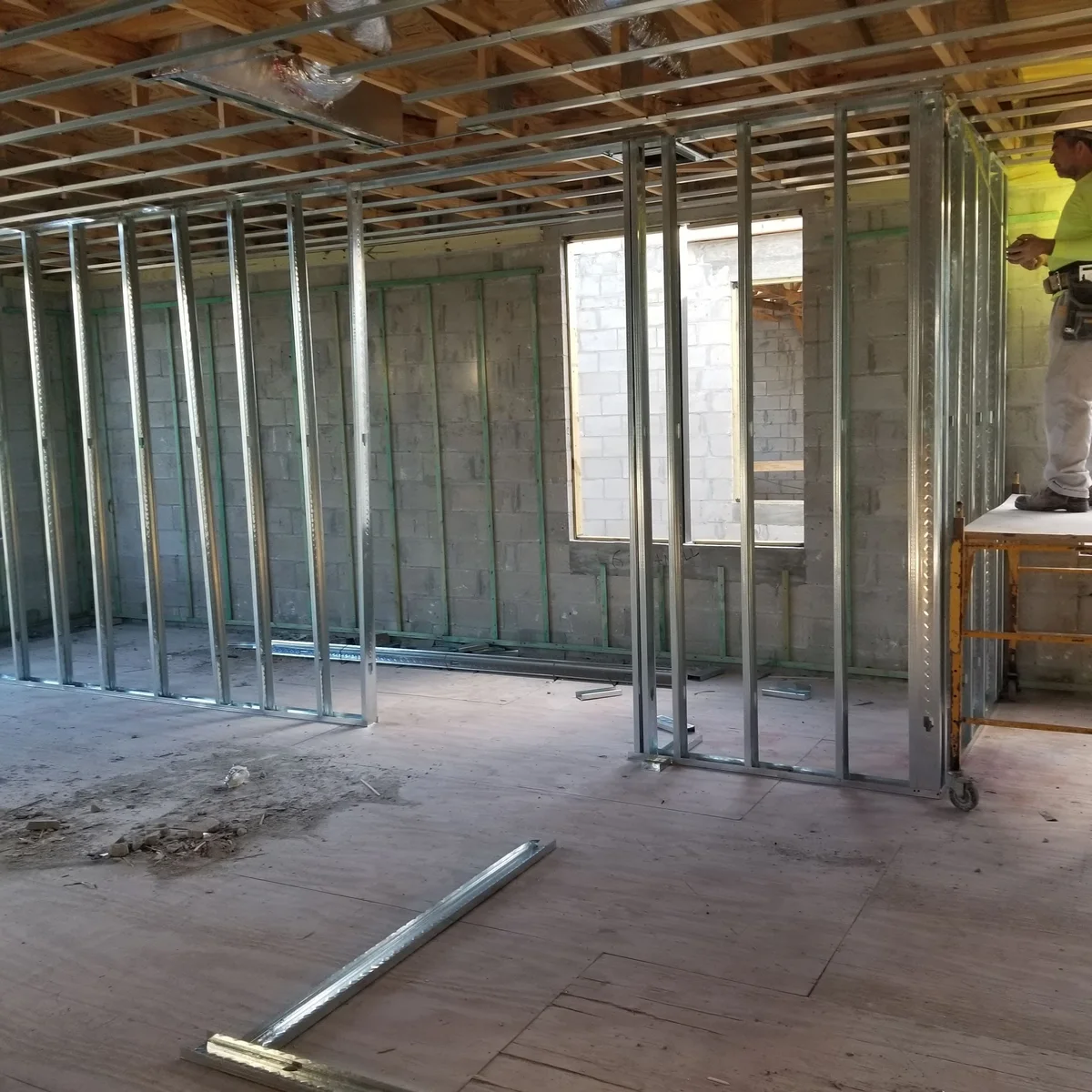
A general contractor can lead the rebuild while a demolition subcontractor performs an assigned removal package. This arrangement can suit a project with an established construction lead and clearly defined demolition boundaries.
The key question is where the removal scope ends and the reconstruction responsibility begins. A cleared area is not automatically ready for rebuilding if utility conditions, retained systems, or required inspections remain unresolved.
Before signing, establish who manages the responsibilities below. Ask whether the general contractor manages the demolition subcontractor’s work or expects you to coordinate a separate contract. Those are different responsibilities. Choose this model when the construction lead and handoff requirements are clear, not simply because the demolition quote is lower.
- Existing-condition records and protection of elements that stay.
- Debris removal, disposal requirements, and site cleanup.
- Utility isolation and regulated-material specialists.
- Damage to retained components or incomplete removal.
- Acceptance of the space by the reconstruction team.
3. A General Contractor Working Alongside Your Demolition Contractor
Another option is to hire a general contractor for reconstruction and contract directly with a demolition contractor for removal. Both contracts and schedules need to work together from the outset, with responsibility assigned for decisions that affect both phases.
This arrangement leaves the owner with more coordination to resolve between vendors. The handoff should identify approved drawings, demolition boundaries, protection measures, utility status, discovered conditions, and waste documentation. It should also define the condition in which the reconstruction team will accept the site.
Require a shared schedule showing the milestones below. Compare the complete management arrangement, including your involvement, rather than treating two separate prices as the whole project cost.
- Demolition completion and required inspection milestones.
- Turnover requirements and responsibility for correcting incomplete work.
- Reconstruction start dates and dependencies.
- Decision-making authority when unforeseen conditions affect either contract.
Should You Hire One Contractor for Both Phases?
One contractor coordinating demolition and reconstruction can evaluate removal decisions against the rebuilding plan before work begins. That is especially useful when occupied facilities, retained building systems, or phased work create dependencies between trades.
The important distinction is accountability, not whether every task is performed by the same crew. Your contract should identify who coordinates each phase, manages specialists, and resolves conditions that affect the next trade.
Booster combines commercial construction expertise with enterprise-level operational discipline. Its systems-driven project management is intended to support on-time, on-budget delivery through defined responsibilities, scheduled milestones, and documented decisions.
Planning Around an Occupied Property
Commercial work must account for people who continue using the property. Depending on the scope, planning may address access routes, work zones, noise restrictions, occupant communications, utility shutdowns, and phased turnover.
Permit and inspection coordination, hazardous-material checks, and specialist assessments belong in that plan before affected work proceeds. Applicable building-code requirements, including hurricane-resistant construction and coastal requirements where relevant, depend on the property and proposed work.
Read why commercial construction expertise matters before demolition for more about connecting removal planning with the rebuild.
Compare the Full Scope Before Comparing Prices
A useful proposal explains both the work and the assumptions behind its price. Ask bidders to separate demolition limits, reconstruction inclusions, exclusions, allowances, and existing-condition responsibilities so you can compare equivalent scopes.
Booster emphasizes transparent budget control through written scopes and documented change approvals. Before authorizing a change, establish what it adds or removes, its price, and its effect on the schedule.
Review the points below before awarding the work. The Consumer Financial Protection Bureau notes that fraud and scams can happen to anyone and encourages consumers to know the warning signs. Use that general consumer resource alongside your project’s commercial requirements.
- Who obtains permits and coordinates required inspections.
- Which subcontractors and specialists handle each trade.
- How retained systems and occupied areas will be protected.
- What access, working-hour, and utility assumptions affect pricing.
- How progress, budget updates, and approval requests will be communicated.
Frequently Asked Questions
Does One Contractor Mean There Are No Specialists?
No. A coordinated project may still involve subcontractors and specialists. The contract should explain who manages them and which responsibilities remain outside the contractor’s scope. Confirm that the proposed demolition fits the authorized license and permit scope.
When Does a Demolition-Only Contractor Make Sense?
A demolition-only contractor can suit a clearly defined removal package when an owner or established general contractor already manages reconstruction. Assign protection, utilities, disposal, inspections, and turnover responsibilities before work begins so the rebuild does not depend on an unclear handoff.
What Should I Bring to a Project Consultation?
Share available plans, site photos, property type, known building issues, access restrictions, desired phasing, and the intended reconstruction outcome. Include your target schedule and operational dates. Confirm project-location eligibility, assessment needs, and scheduling during the inquiry; a requested completion date is not a confirmed construction schedule.
Discuss Your Demolition and Rebuild With Booster
Start with a scope-first discussion about what needs to come out, what must remain, and what the finished space needs to accomplish. Share your project details through Booster Construction’s inquiry form, or Request a Project Consultation by calling (954) 280-2882.
Code compliance should be considered during both demolition and reconstruction planning, not only during the final inspection. Confirm which permits, inspections, accessibility provisions, fire-safety requirements, and structural or coastal standards apply so removal work does not compromise the approved rebuild.
The project team can evaluate whether demolition or deconstruction is more appropriate based on the building components, schedule, safety requirements, and potential for reuse.
Working with a reconstruction firm that also coordinates the removal phase can reduce handoff gaps between demolition, permitting, inspections, and the finished buildout.

About the Author
Matan DayanBooster Construction
Matan Dayan contributes practical articles for Booster Construction on commercial construction planning, renovations, permitting, building safety, and project delivery across South Florida.